











Sewage Treatment Plant
wastewater treatment plant pumps
How to choose wastewater treatment plant pumps
To choose the right pump for a sewage treatment plant, comprehensively evaluate medium properties, solids content, particle size, temperature, pH level, corrosion intensity, operation mode, and installation space, while prioritizing anti-clogging performance and corrosion resistance to ensure consistent operation with centrifugal pump technology.
| Operating Condition Parameters | Description |
|---|---|
| Medium Type | Municipal sewage / Industrial wastewater / Sand-containing sewage / High-fiber sewage |
| Solids Content (%) | To be specified by the user |
| Maximum Particle Size (mm) | To be specified by the user |
| Temperature (℃) | To be specified by the user |
| pH Value | To be specified by the user |
| Corrosion Level | Low / Medium / High (To be specified by the user) |
| Operation Mode | Continuous operation / Intermittent operation (24h/365) |
| Installation Method | Dry-type / Submersible / Vertical / Horizontal |
Choose KOLEBURG as your pump manufacturer.
- ISO、CE、EAC
- L/C Accepted
- 7*24H Response
- Accept customization

KOLEBURG Pump Manufacturer
KOLEBURG pumps, with core non-clogging technology as their core competitiveness, rely on corrosion-resistant and temperature-resistant high-quality materials, high-specification exclusive motors, strict quality control, flexible customization and perfect after-sales service to provide stable, efficient and reliable guarantee for the transportation of various complex fluids.
Types suitable for wastewater treatment pump plants
See more application scenarios
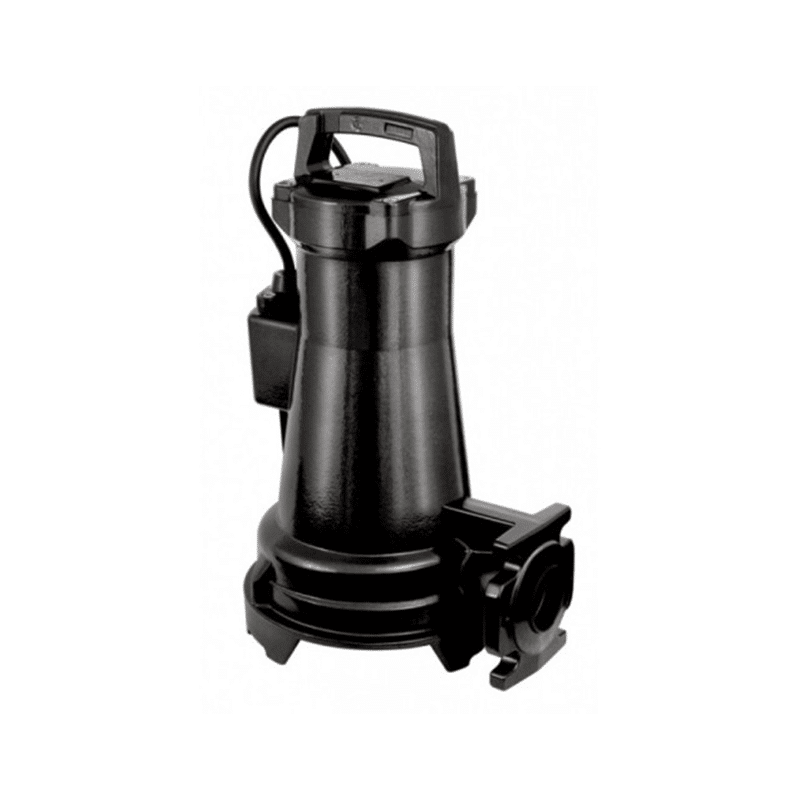
Combines compact structure with strong solids-handling capability, ideal for direct submersion in sewage tanks to transport media with suspended particles efficiently.

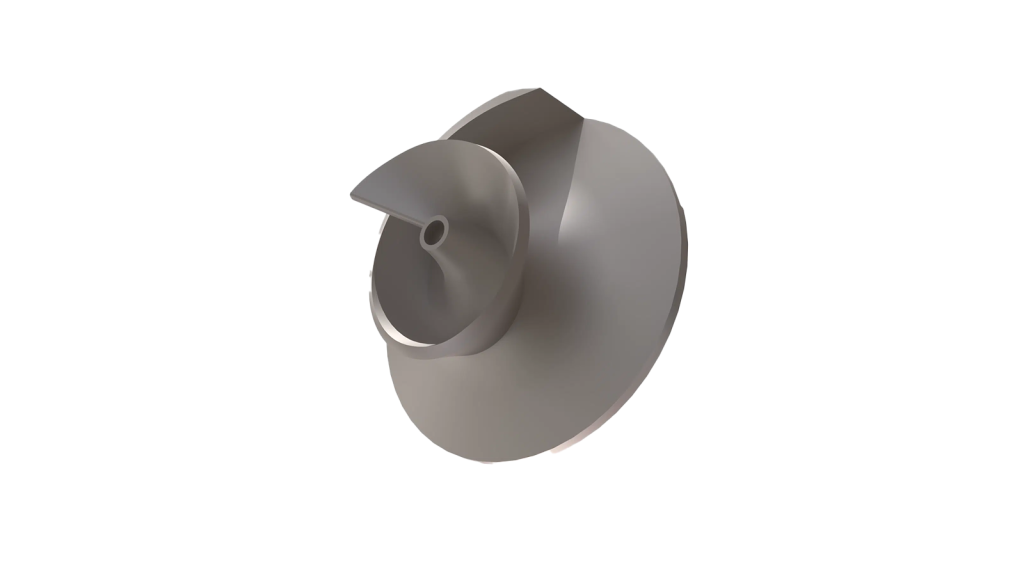
Equipped with a double spiral impeller, it delivers excellent anti-clogging performance, effectively reducing blockages caused by fibers and sludge in treatment processes.
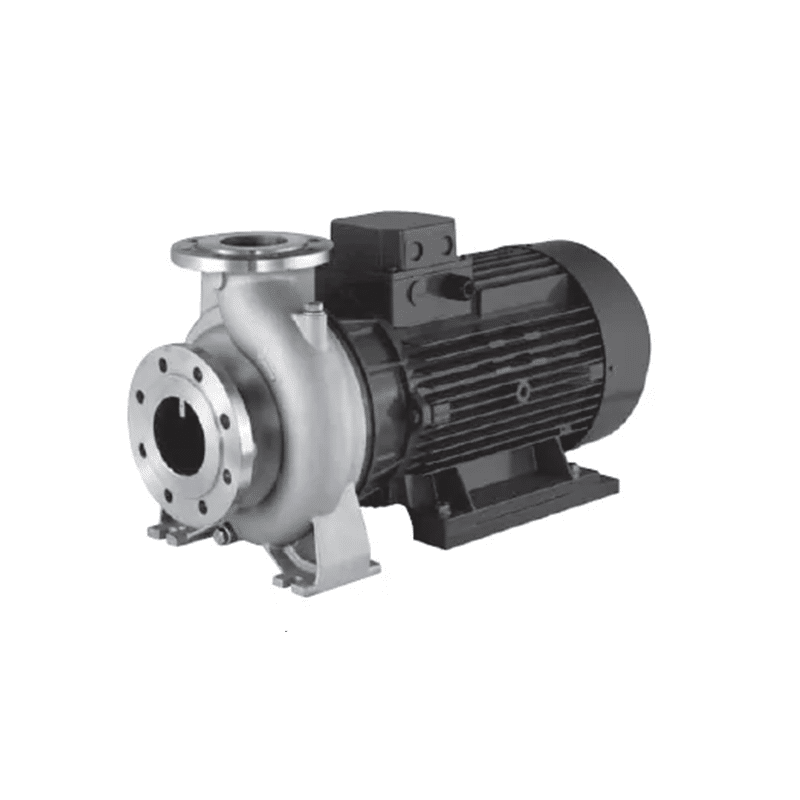
Features easy maintenance and inspection, suitable for dry working environments requiring regular equipment checks in sewage treatment plants.
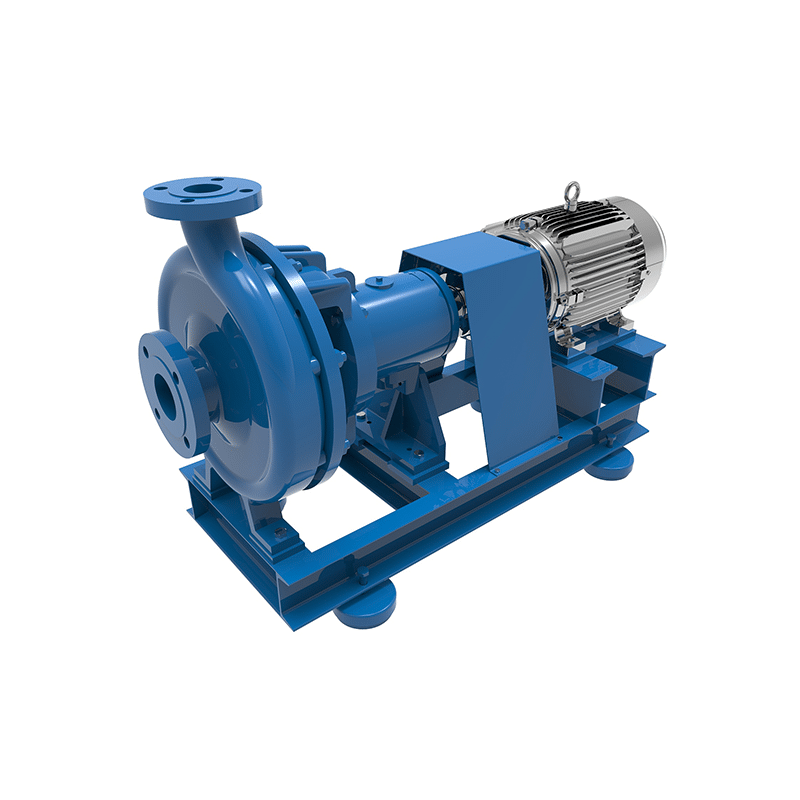
Specialized for conveying thickened sludge, paired with wear-resistant materials to adapt to high-solids medium in sludge thickening system.
Contact our products now expert!

Clogging Prevention & Reliability
Technical highlight of KOLEBURG: Unique pump impeller design
A large channel diameter will prevent it from becoming blocked.
Spiral centrifugal pumps have excellent anti-clogging properties. Their open, large-diameter channels provide high efficiency and anti-clogging properties, making it easy to transport bulk solids and long-fiber materials.
The spiral section produces a spiral propulsion effect, and the blade edge of the impeller is sickle-shaped. The replenishment of the blades gradually increases along the wheel direction, guiding the liquid flow and pipe objects to move near the axis. Additionally, the spiral action propels them along the collection into the centrifugal section while providing superior suction capabilities and reduced cavitation.
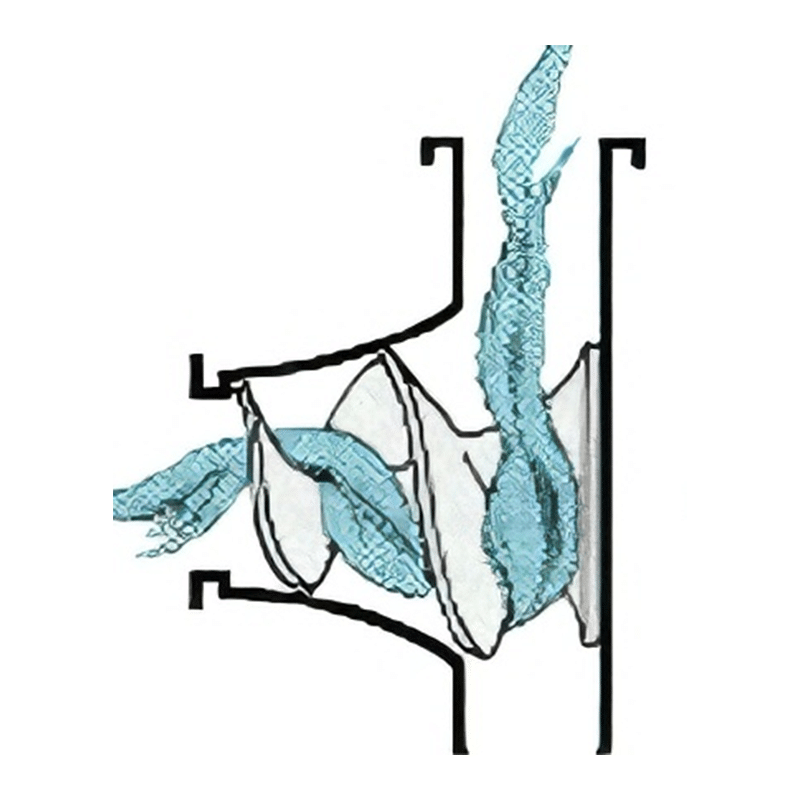

Solid content pumping diagram
Capable of conveying high solid content media, such as slurries with a solid content of up to 20%.
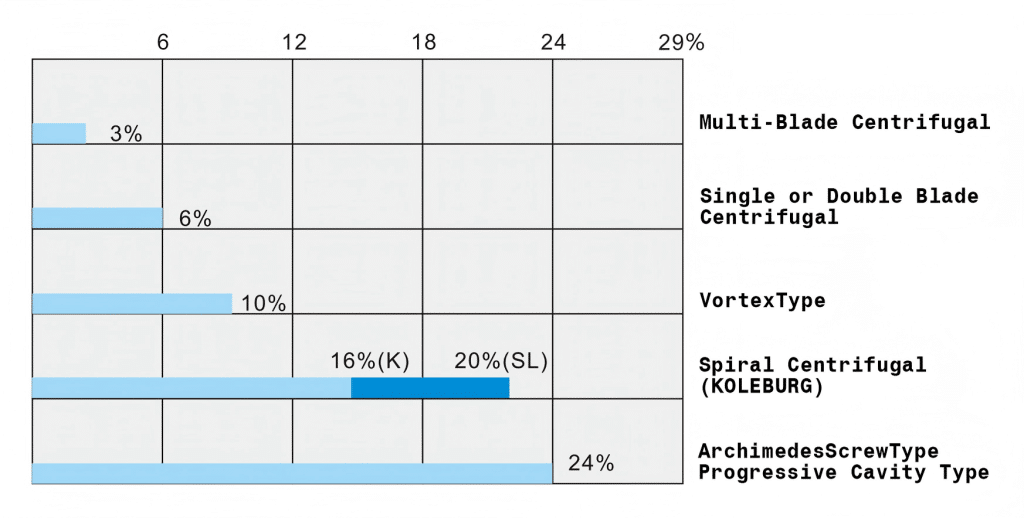
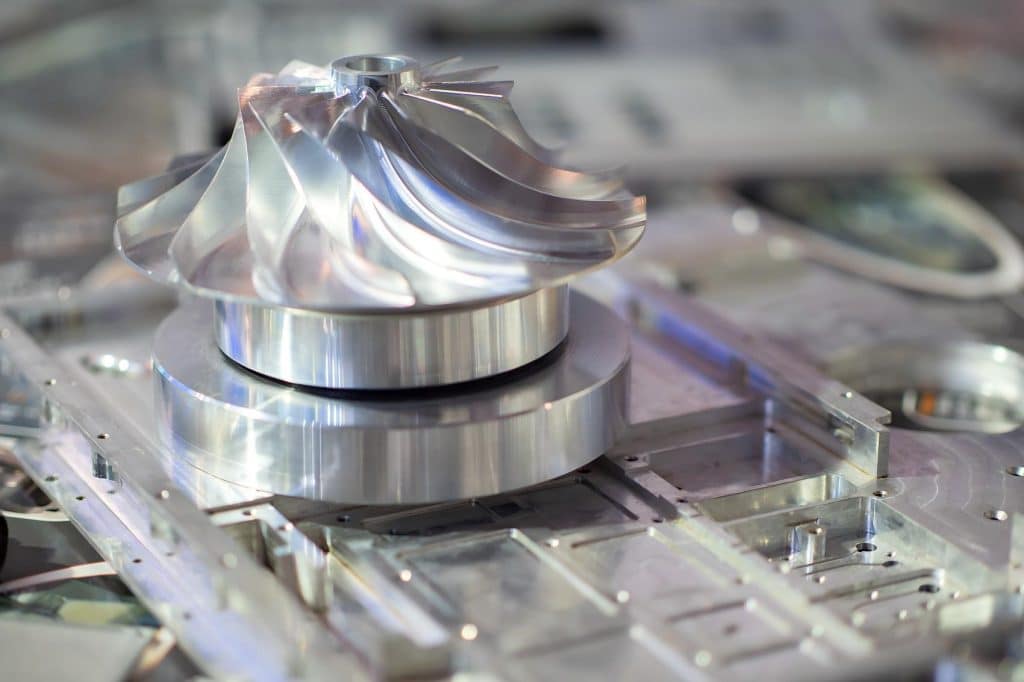
Material selection
KOLEBURG can meet the customization needs of various materials.
| Pump Component | Material Options & Features |
|---|---|
| Pump Body | – Cast iron: Cost-effective for general municipal sewage; |
| Impeller | – High-chromium alloy: Wear-resistant for sand-containing or high-solids sewage; |
| Shaft | Stainless steel (304/316) or alloy steel: Ensures high load-bearing capacity and corrosion resistance during long-term operation in sewage environments. |
| Mechanical Seal | Silicon carbide or FKM rubber materials: Prevents sewage leakage, with quenching and annealing processes improving durability. |
| Auxiliary Components | – O-Ring: Corrosion-resistant rubber for sealing reliability; |
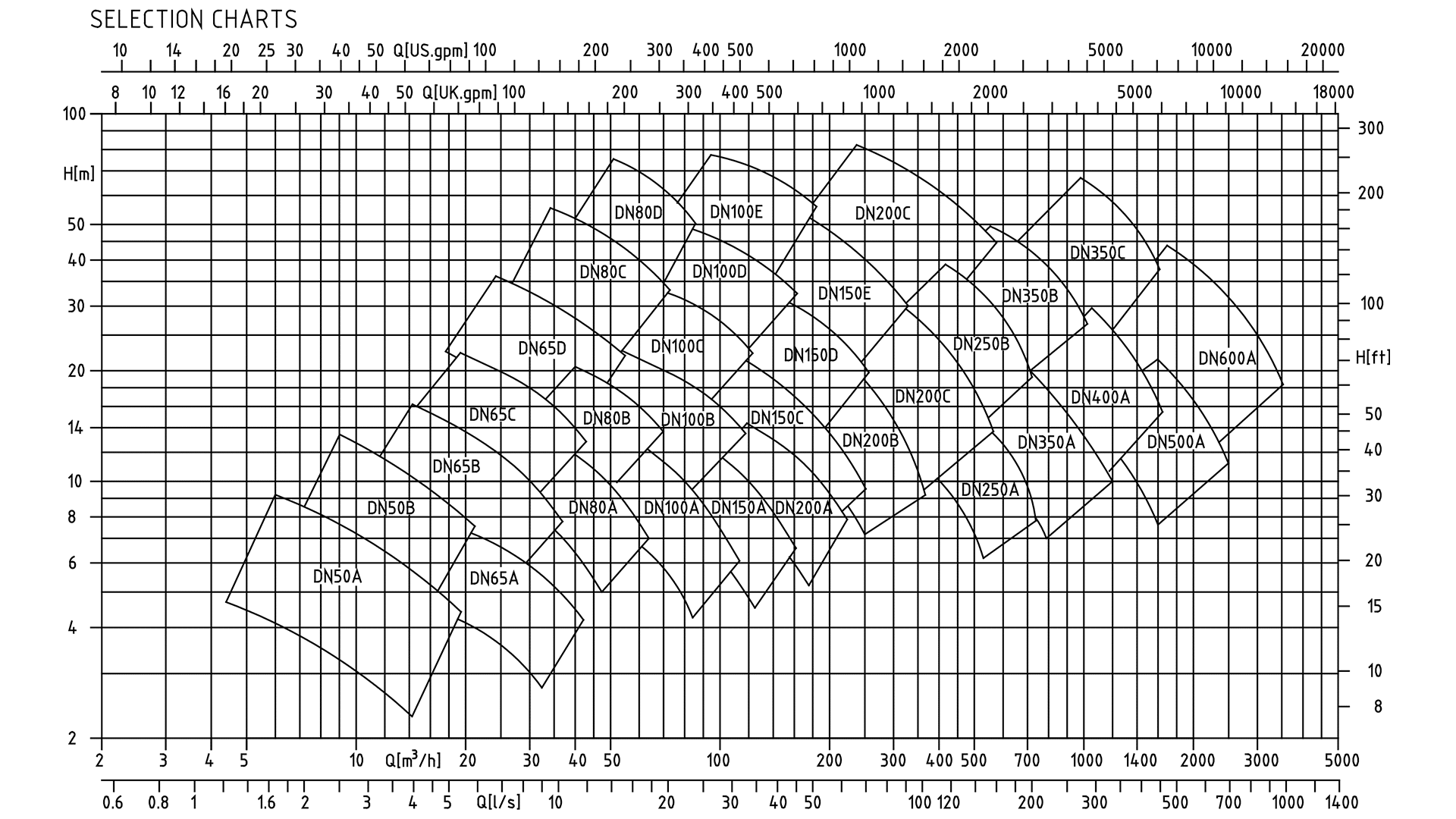
Comprehensive reference
Provide you with a multi-caliber selection range reference
Focus on user needs
KOLEBURG is committed to creating full life cycle and full ecological services.
- Selection calculation book
- Electricity bill estimate
- CAD drawings
- Technical agreement cooperation
- EPC docking experience

KOLEBURG is the expert in helping you solve clogged pump problems
FAQ about sewage treatment plant pumps
What Are Sewage Treatment Plant Pumps?
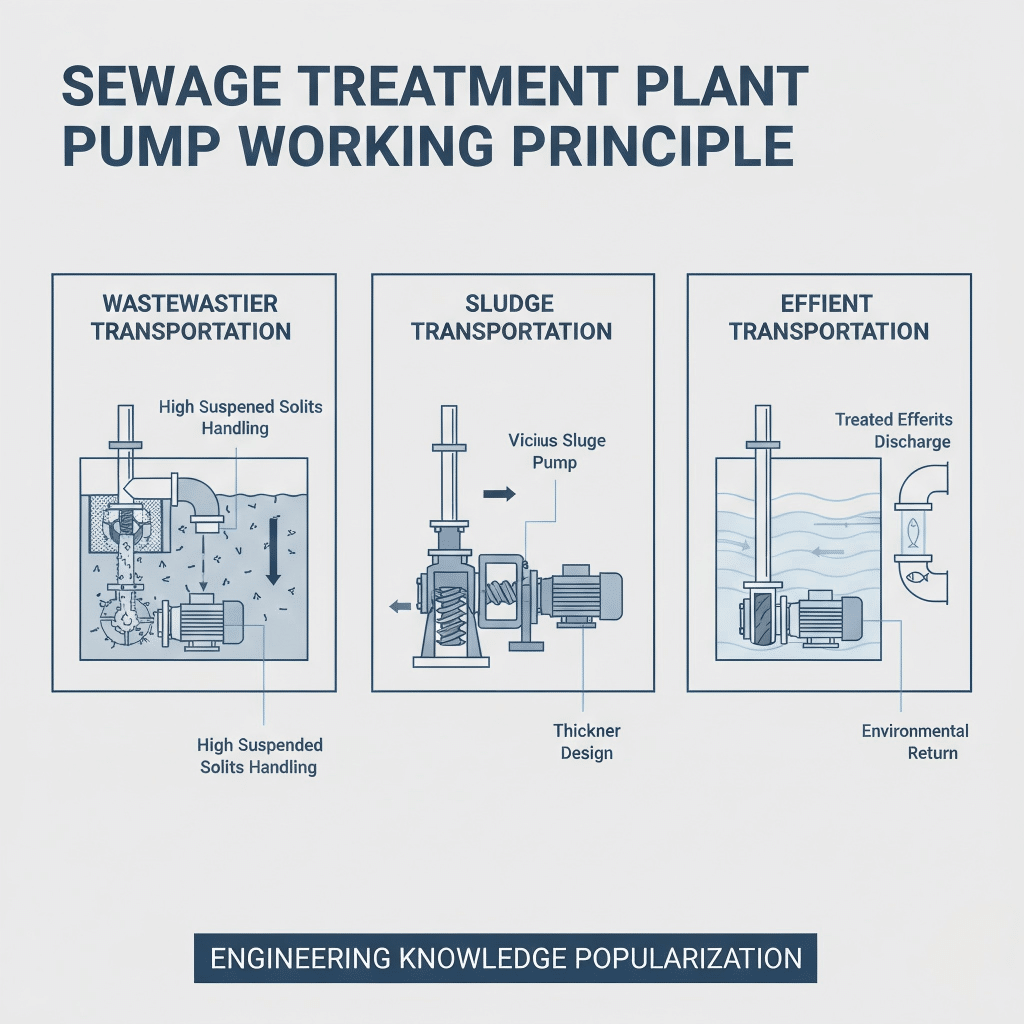
Non-Negotiable Traits of STP Pumps
- Solids Handling Capacity: Designed to pass particles up to 100mm (depending on application) without clogging.
- Corrosion Resistance: Withstand exposure to acids, alkalis, and industrial contaminants in wastewater.
- Energy Efficiency: Optimized hydraulic designs to minimize power consumption (critical for 24/7 operation).
- Reliability: Low failure rates to avoid process disruptions and costly downtime.
Common Types of Sewage Treatment Plant Pumps
| Pump Type | Core Advantages | Primary Application |
|---|---|---|
| Centrifugal Pump | High flow rates, low maintenance, scalability | Raw sewage conveyance, effluent discharge |
| TA Submersible Pump | Space-saving, self-priming, solids tolerance | Sludge thickening, sump pumping, wet wells |
| Progressive Cavity Pump | Gentle flow, shear-sensitive media compatibility | Activated sludge recirculation, polymer dosing |
Deep Dive into High-Demand Models
1. Centrifugal Pumps: The STP Workhorse
- Impeller Design: Single helix (for large solids) and double spiral variants (for high-viscosity sludge) optimize flow stability.
- Shaft Sealing: Mechanical Seal systems prevent leakage in submerged or wet environments, extending service life by 30-50%.
- Housing Construction: Durable Pump Body materials resist abrasion from grit and debris.
2. TA Submersible Pumps: Compact and Heavy-Duty
- Dry-Run Protection: Built-in thermal sensors prevent motor burnout if water levels drop.
- High Solids Tolerance: Can handle particles up to 80mm, suitable for raw sewage and thickened sludge.
- Energy Efficiency: IE3-rated motors reduce power consumption by 12-18% compared to older models.
How to Choose the Right Pump Material for STPs?

| Material | Corrosion Resistance (ASTM G31 Test) | Cost (USD/kg) | Best For |
|---|---|---|---|
| Cast Iron | Moderate (pH 6-9) | 2.8-4.2 | Municipal sewage (low chemical load) |
| 304/304L Material | High (resists mild acids) | 8.5-12.5 | Industrial wastewater (pH 5-10) |
| 316/316L Material | Excellent (resists chlorides) | 15.8-20.5 | Coastal STPs, high-salt wastewater |
Material Selection Best Practices
- Municipal STPs (Low Corrosion): Cast Iron is cost-effective for raw sewage and effluent with neutral pH.
- Industrial STPs (Moderate Corrosion): 304/304L Material balances performance and cost for food processing or chemical plant wastewater.
- Harsh Environments (High Corrosion): 316/316L Material is mandatory for seawater-treated wastewater or chloride-rich streams.
Key Performance Metrics for STP Pump Selection
| Metric | Definition | Typical STP Range |
|---|---|---|
| Flow Rate (Q) | Volume of fluid pumped per hour | 100-5,000 m³/h |
| Head (H) | Pressure to lift/convey fluid | 15-100 meters |
| Efficiency (η) | Hydraulic power output vs. electrical input | 65-88% (centrifugal pumps) |
| NPSH Required (NPSHr) | Minimum suction head to prevent cavitation | 2.5-5.5 meters |
Cavitation Prevention: A Critical Factor
Practical Applications of Centrifugal Pumps in STPs

1. Raw Sewage Lift Stations
- Pump Model: KOLEBURG TA150L Sewage Submersible Pump
- Function: Lift raw sewage from collection tanks to grit chambers.
- Performance Data: Flow rate = 900 m³/h, Head = 45 m, Solids handling = 60mm.
- Outcome: 99.2% operational uptime in a 300,000 m³/day municipal STP.
2. Activated Sludge Recirculation
- Pump Model: Centrifugal pump with SL Double Spiral Impeller
- Function: Recirculate activated sludge between aeration tanks and secondary clarifiers.
- Requirement: Gentle flow to preserve microbial activity (critical for BOD/COD removal).
- Result: 15% improvement in treatment efficiency compared to progressive cavity pumps.
3. Effluent Discharge
- Pump Model: KOLEBURG TA100SL Centrifugal Pump
- Function: Discharge treated effluent to rivers, reuse systems, or irrigation.
- Compliance: Meets EU Directive 91/271/EEC for effluent quality.
- Energy Savings: 14% lower kWh/m³ than conventional pumps.
Proactive Maintenance for STP Pump Longevity
| Maintenance Task | Frequency | Key Actions |
|---|---|---|
| Impeller Inspection | Monthly | Remove debris; replace if wear exceeds 1mm (blade thickness) |
| Mechanical Seal Check | Quarterly | Inspect for leakage; re-lubricate with food-grade grease |
| Motor Bearing Testing | Semi-annually | Measure vibration (limit: <4.5 mm/s); replace if worn |
| Full Pump Overhaul | Annually | Inspect Pump Body, shaft, and couplings; replace worn parts |
Maintenance Cost Reduction Strategies
- Predictive Monitoring: Install vibration sensors to detect early bearing failure (reduces unscheduled downtime by 40%).
- Impeller Protection: Use strainers with 50mm mesh to prevent large solids from entering the pump.
- Material Upgrades: Replace cast iron impellers with 316 stainless steel in high-abrasion applications (extends impeller life by 2x).
Troubleshooting Common STP Pump Failures
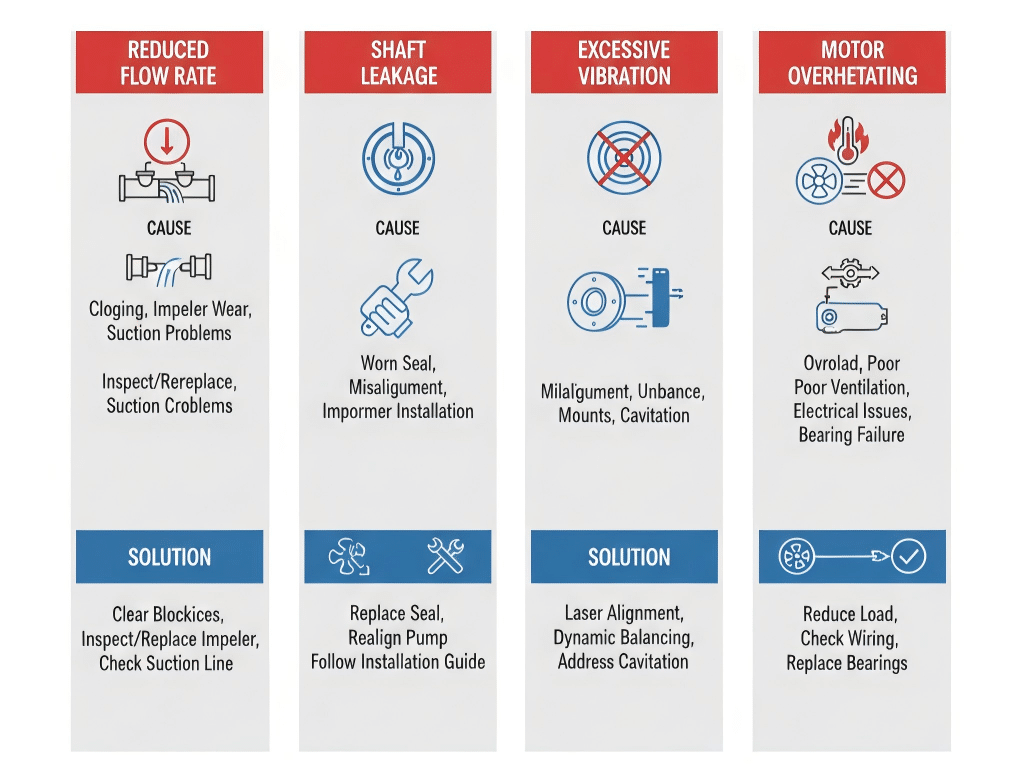
| Failure Type | Root Cause | Solution |
|---|---|---|
| Reduced Flow Rate | Impeller clogging or wear | Clean impeller; install self-cleaning L Single Helix Pump Impeller |
| Shaft Leakage | Damaged Mechanical Seal | Replace with Viton® seals (resists chemicals) |
| Excessive Vibration | Misaligned coupling or worn bearings | Realign coupling; use SKF/NTN OEM bearings |
| Motor Overheating | Cavitation or overload | Increase suction head; install pressure relief valves |
Case Study: Troubleshooting Cavitation in a Municipal STP
- Symptoms: Loud “rumbling” noise, 20% flow reduction, impeller pitting.
- Root Cause: NPSHa = 2.0 meters < NPSHr = 3.2 meters (pump undersized for suction lift).
- Solution: Install a booster pump to increase NPSHa to 4.0 meters; impeller replacement avoided.
- Outcome: Pump efficiency restored to 85%; maintenance cost savings of $12,000/year.
Conclusion

- Selecting the right pump type for the process stage (e.g., centrifugal for high flow, submersible for solids-laden media).
- Choosing corrosion-resistant materials (304/304L Material or 316/316L Material) based on wastewater chemistry.
- Implementing proactive maintenance to address wear, clogging, and cavitation.