














What is an Animal Glue Transfer Pump?

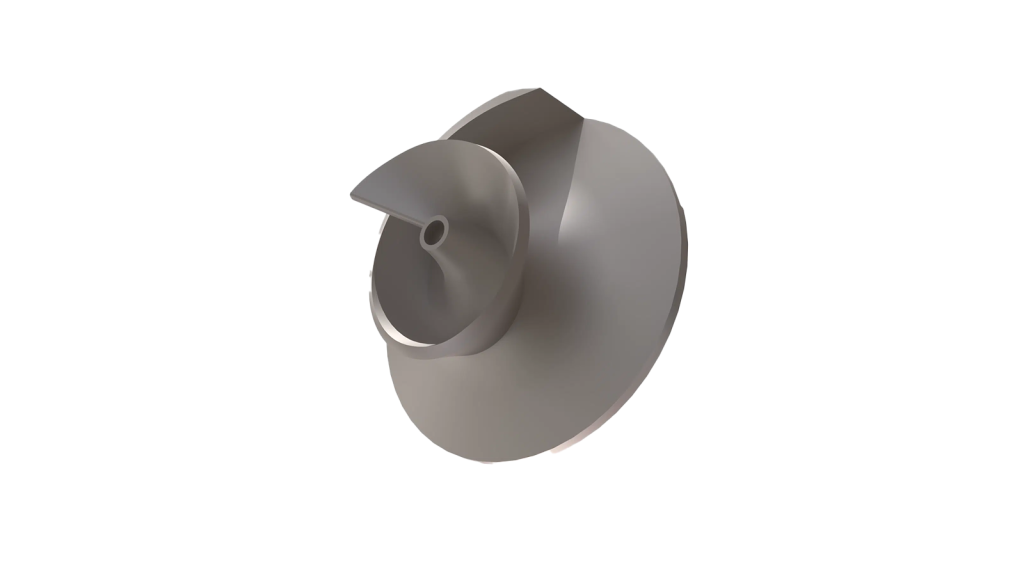
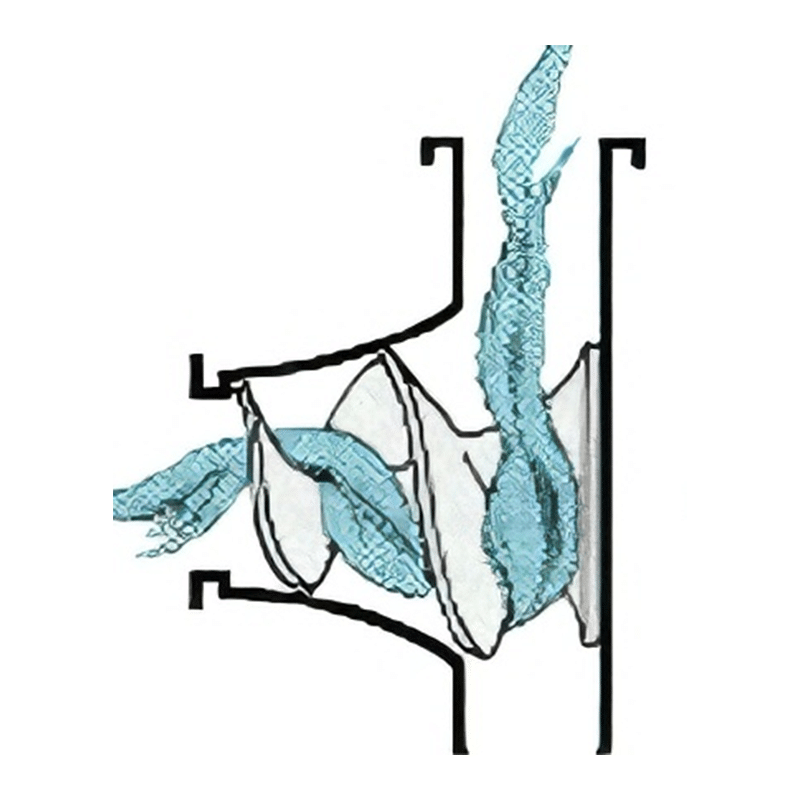
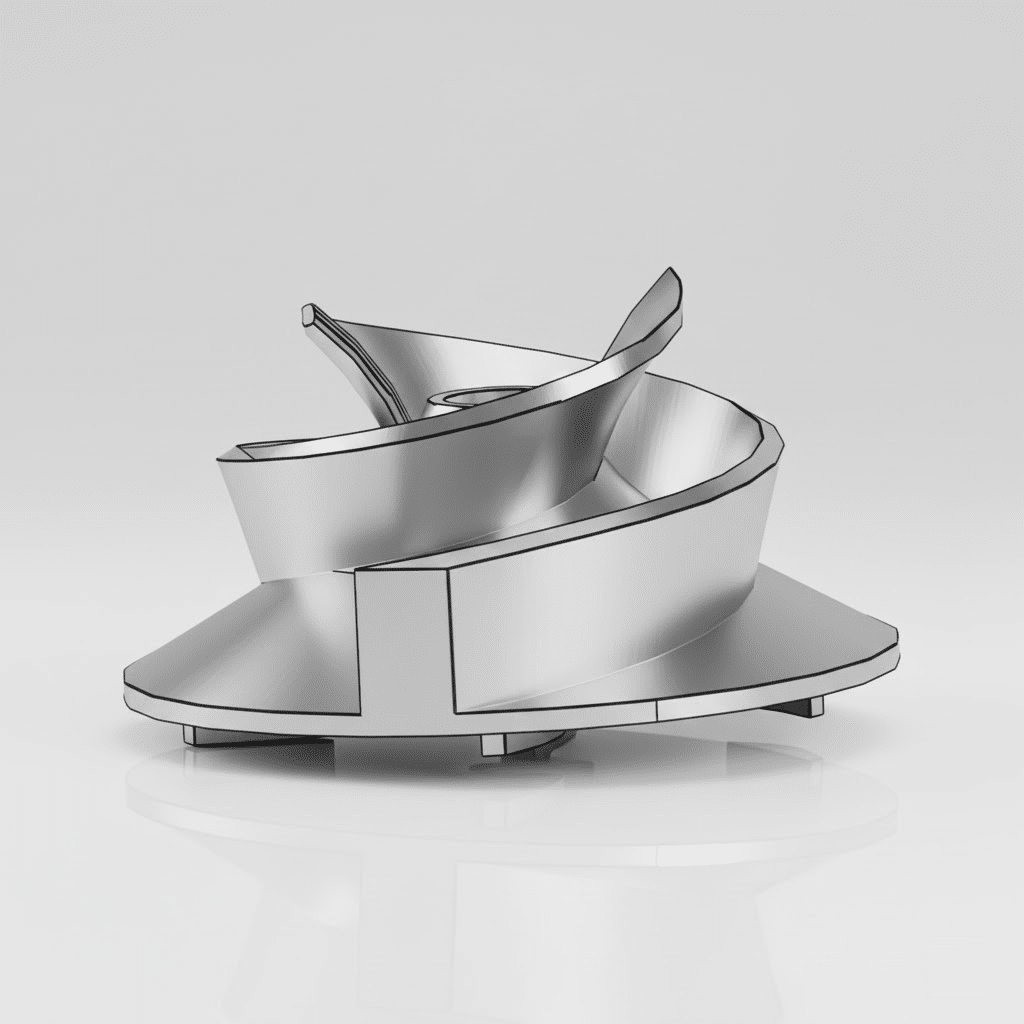
An animal glue transfer pump is a specialized conveying device tailored to the unique characteristics of animal glue production media, such as high viscosity, high temperature, and solid particle content (e.g., bone meal, skin residue). Different from conventional fluid pumps, it adopts optimized impeller structures (e.g., spiral design) and widened flow channels to prevent clogging by solid particles. Meanwhile, it uses high-temperature and corrosion-resistant materials to adapt to the harsh operating environment of animal glue extraction (60-120℃) and acid-alkaline cleaning processes.
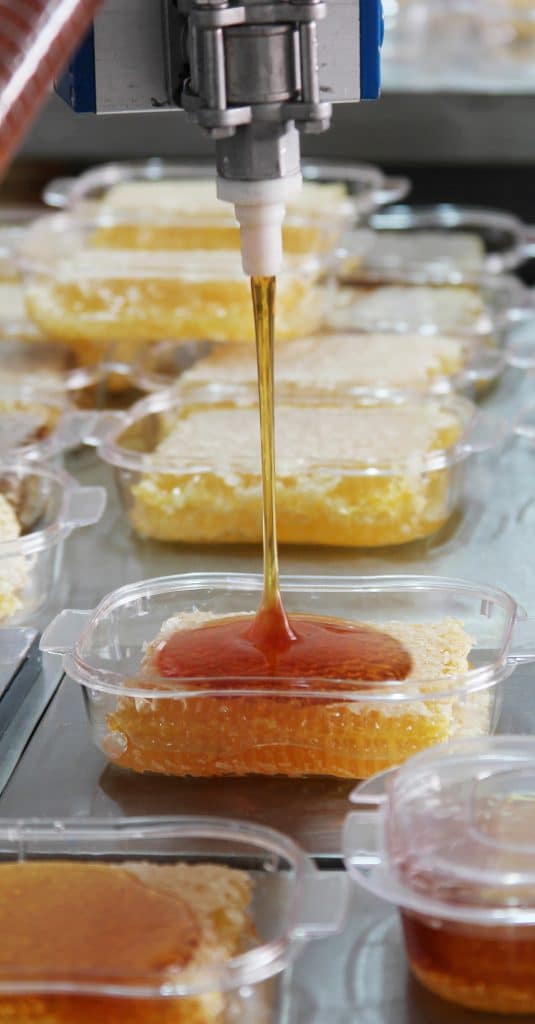
In animal glue production, animal glue transfer pumps must meet three core requirements: first, excellent high-viscosity medium conveying capacity, which can stably transport animal glue liquid with a viscosity ranging from 10,000 to 1,000,000 CPS; second, strict food-grade hygiene compliance, ensuring that media-contact materials meet standards such as FDA 21 CFR Part 177 to avoid contaminating the final product; third, strong wear and corrosion resistance, adapting to the abrasion of solid particles in bone meal/skin residue slurry and the corrosion of acid-alkaline cleaning agents. The reliability of animal glue transfer pumps directly determines the continuity of production lines and the stability of product quality.
What Operating Conditions Determine Pump Selection in Animal Glue Production?
Accurately grasping operating conditions is the premise for selecting suitable pumps (including animal glue transfer pumps) in animal glue production. The following table lists the core operating parameters that need to be clarified, along with their impacts on pump selection, providing a scientific basis for pump type matching.
Operating Parameter | Animal Glue Production-Specific Details | Impact on Pump Selection |
|---|---|---|
Medium Type | Animal glue liquid, bone meal/skin residue slurry, acid-alkaline cleaning solution, steam condensate | Determines hygiene level, anti-clogging, wear resistance, and corrosion resistance requirements |
Solid Content (%) | 15-30% (bone meal/skin residue slurry in raw material pretreatment) | High solid content requires pumps with anti-clogging flow channels and wear-resistant impellers |
Maximum Particle Size (mm) | 1.0-3.0mm (crushed bone meal, undissolved skin residue) | Ensures solid particles pass smoothly without jamming or damaging pump components |
Temperature (℃) | 65-120℃ (glue extraction process), 80-90℃ (hot cleaning water), 90-110℃ (steam condensate) | Guides the selection of high-temperature resistant seals and heat-stable materials |
pH Value | 4.0-6.0 (animal glue liquid), 2.0-3.0/11.0-12.0 (acid-alkaline cleaning solution) | Determines the corrosion resistance grade of pump contact materials; acid-alkaline media require stainless steel or alloy materials |
Viscosity (CPS) | 10,000-1,000,000 (animal glue liquid in different production stages) | Affects pump head and efficiency; high viscosity requires impeller blade optimization |
Operation Mode | Continuous (large-scale factories, 24h/365); intermittent (small-scale traditional workshops) | Influences pump fatigue resistance, service life design, and energy-saving frequency conversion configuration |
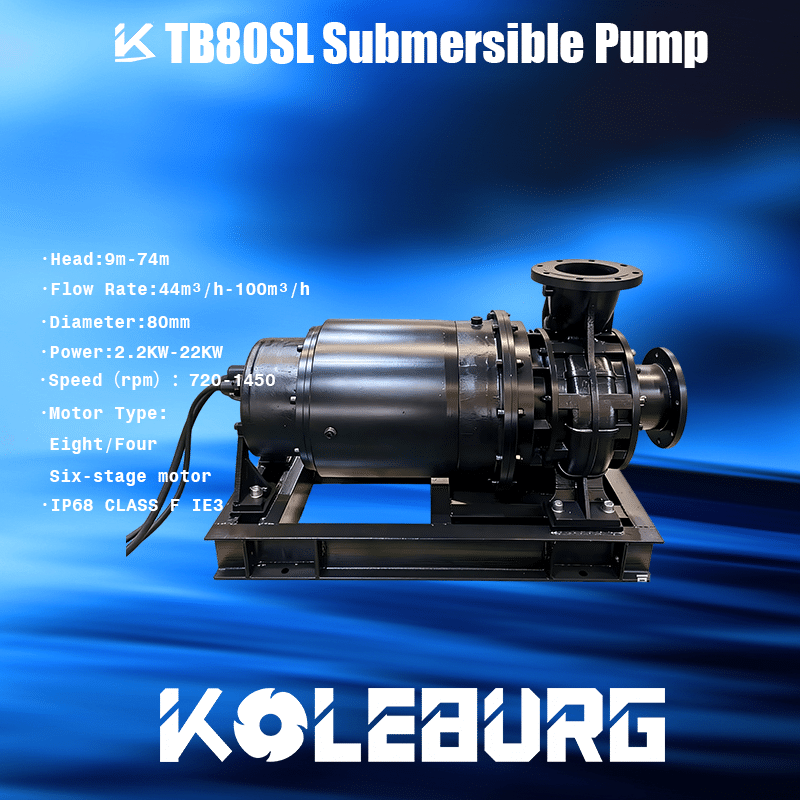
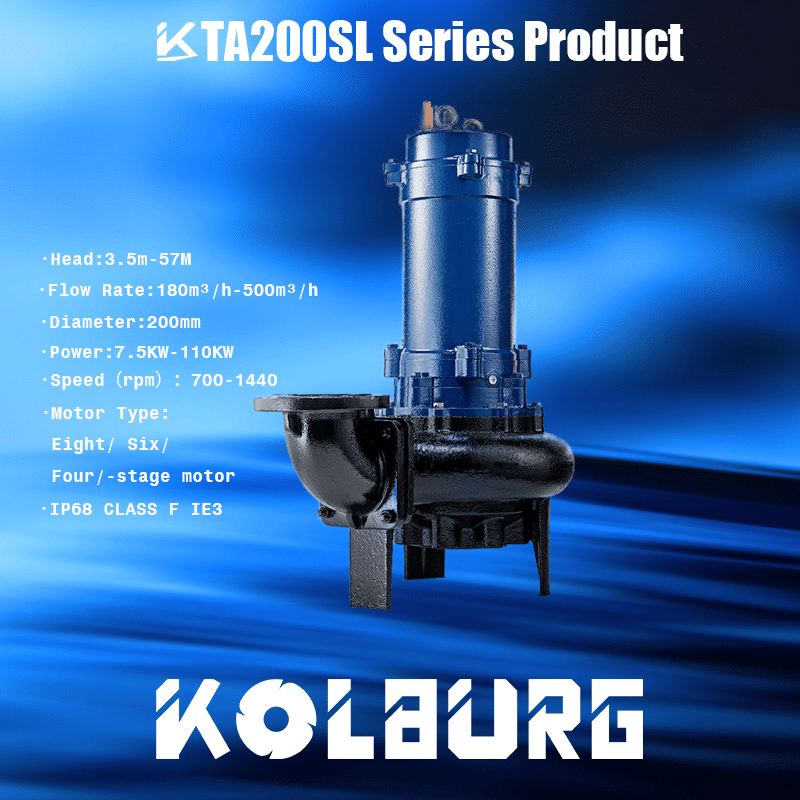
Installation Method | Dry type / Submersible type / Vertical type / Horizontal type / Belt-driven type (based on workshop layout) | Determines pump structural type and installation dimension matching; dry type preferred for clean production areas |
Common Pump Types in Animal Glue Production and Their Advantages

Different processes in animal glue production have distinct requirements for pump performance. The following are the most widely used pump types in the industry, including animal glue transfer pumps, along with their core advantages, providing targeted selection references for manufacturers.
Pump Type | Core Advantages | Typical Application Scenarios |
|---|---|---|
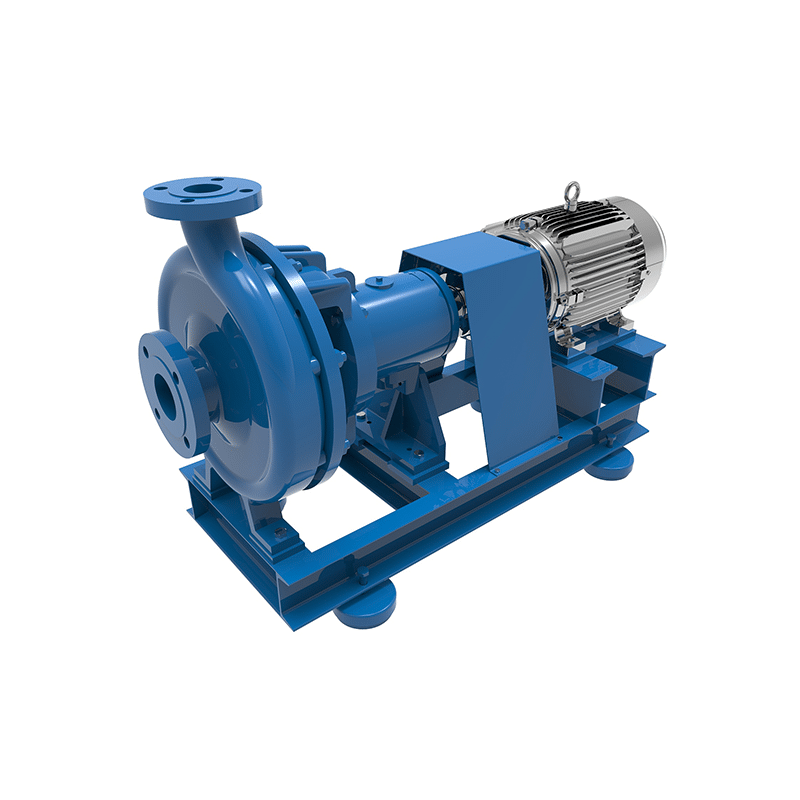
High efficiency (75-85%), stable flow, easy cleaning, compliant with FDA 21 CFR Part 177 | Transport of low-viscosity animal glue liquid and steam condensate | |
Animal Glue Transfer Pump | Excellent high-viscosity conveying capacity, anti-clogging, high-temperature resistance (up to 150℃) | Transport of high-viscosity animal glue liquid and bone meal/skin residue slurry |
Strong anti-winding and anti-clogging capabilities, balanced operation, suitable for high-solid mixtures | Transport of bone meal/skin residue slurry with high solid content | |
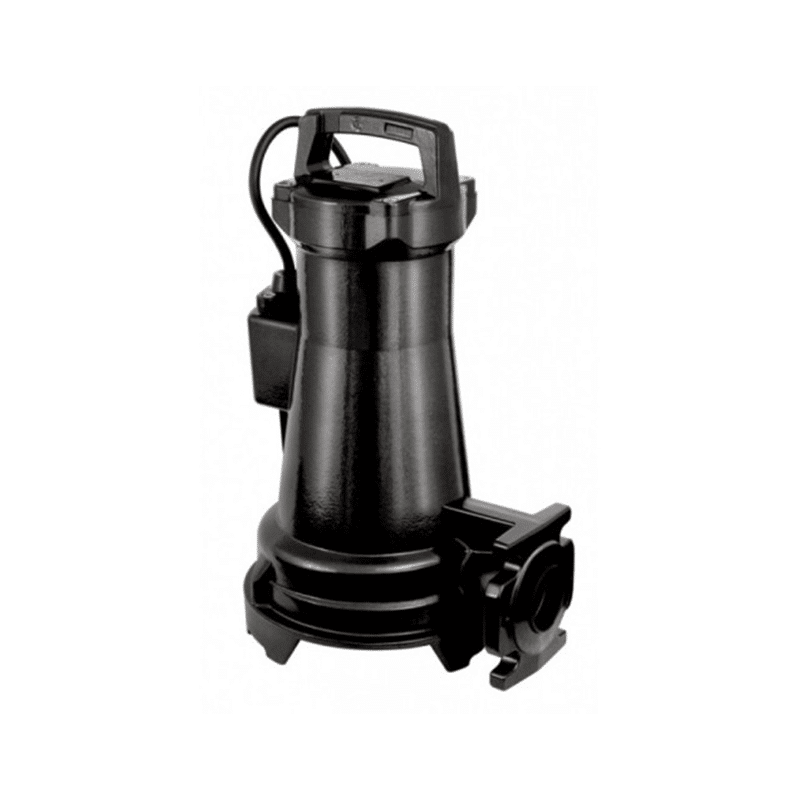
Dry-type Sewage Centrifugal Pump | Equipped with dry-running protection, strong corrosion resistance, adaptable to harsh wastewater environments | Discharge of production wastewater with organic residues and cleaning wastewater |
Compact structure, small footprint, direct pipeline installation, convenient for cleaning system layout | Circulation of acid-alkaline cleaning solutions and hot cleaning water |
Performance Comparison of Core Pumps for Animal Glue Production
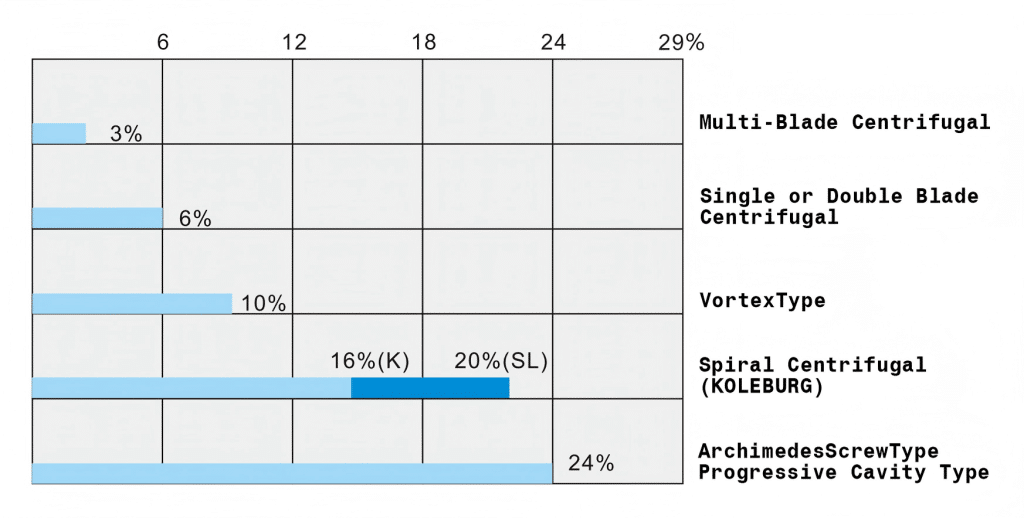
Performance Index | Animal Glue Transfer Pump | Double Spiral Centrifugal Pump |
|---|---|---|
Efficiency Range (%) | 68-76 | 70-78 |
Max Viscosity (CPS) | 1,000,000 | 500,000 |
Max Temperature (℃) | 150 | 130 |
Maintenance Cycle (Months) | 3-4 | 4-6 |
Applicable pH Range | 2.0-12.5 | 3.0-12.0 |
Animal Glue Production Pump Components and Material Selection
Material selection of pump components directly affects service life, operational stability, and product quality. All media-contact components must comply with authoritative food-grade standards such as FDA 21 CFR Part 177 and GB 6783—2013. The following table lists recommended materials for key components and their selection basis.
Pump Component | Recommended Materials | Selection Basis for Animal Glue Production |
|---|---|---|
304/316L Stainless Steel, Food-grade QT Cast Iron | 316L for acidic/alkaline media and high-temperature glue liquid; 304 for neutral media; no heavy metal precipitation | |
High-chromium Alloy, 316L Stainless Steel, Duplex 2205 | High-chromium alloy enhances wear resistance for solid-containing slurry; Duplex 2205 for harsh acid-alkaline and high-temperature environments | |
42CrMo Alloy Steel, 316L Stainless Steel | 42CrMo ensures high strength for continuous operation; 316L avoids corrosion by corrosive media | |
Food-grade SiC-SiC, PTFE-coated Seal Ring | Non-toxic, high-temperature resistant (up to 150℃), prevents leakage and cross-contamination | |
FKM, EPDM, Food-grade NBR | FKM for acid-alkaline cleaning solutions; EPDM for high-temperature media; compliant with FDA standards |
How to Ensure Long-Term Stable Operation of Animal Glue Production Pumps?

Scientific operation and maintenance are crucial for extending pump service life, ensuring product quality, and reducing production costs. Combined with the characteristics of animal glue production (high viscosity, high temperature, complex media), the following targeted management strategies are proposed:
1. Key Points of Daily Inspection and Monitoring
- Real-time monitor pump flow, head, motor current, and medium temperature; install intelligent sensors for abnormal alarms (over-temperature, over-current, leakage)
- Check for media leakage at seals and flanges; stop the machine immediately for maintenance if leakage occurs to avoid product contamination
- Regularly clean the pump inlet filter screen to prevent blockage by bone meal and skin residue, which may affect suction efficiency
- Monitor pump noise and vibration; abnormal noise or excessive vibration may indicate impeller blockage or bearing wear