
















What is a Chemical Process Pump?

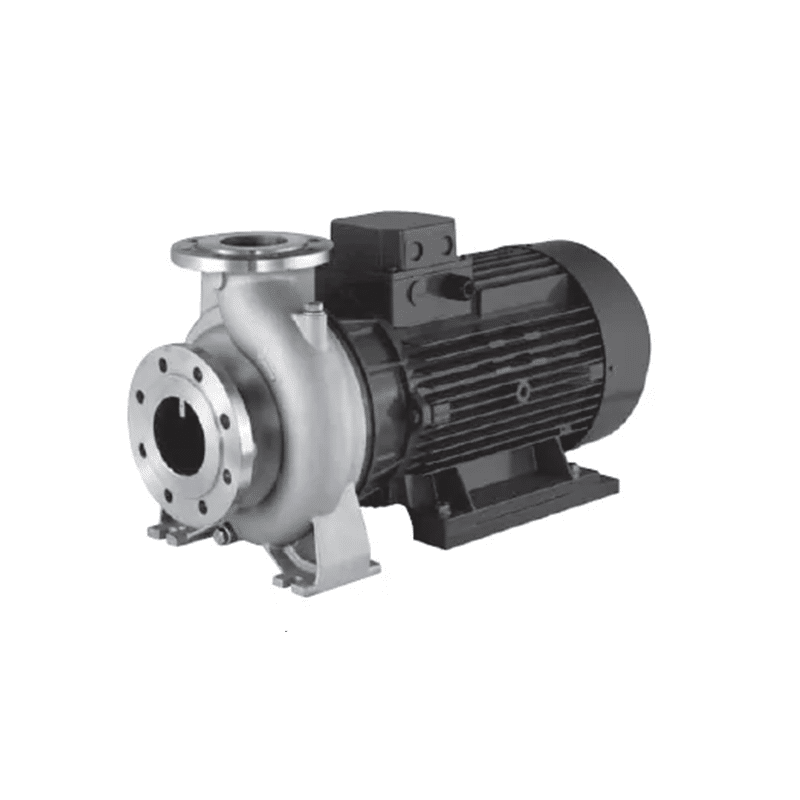
A chemical process pump, also known as a chemical pump, is a specialized fluid-handling device designed to adapt to the harsh and complex operating environments of chemical plants. Unlike conventional industrial pumps, it is primarily engineered to address the challenges posed by chemical media such as strong corrosiveness, high temperature, high pressure, high viscosity, and solid particle content. The core performance requirements of chemical process pumps include excellent corrosion resistance (to withstand acids, alkalis, organic solvents, and toxic media), reliable sealing performance (to prevent media leakage and environmental pollution), stable operational efficiency (to meet continuous 24h/365 production demands), and robust structural design (to resist abrasion from solid particles in slurries).
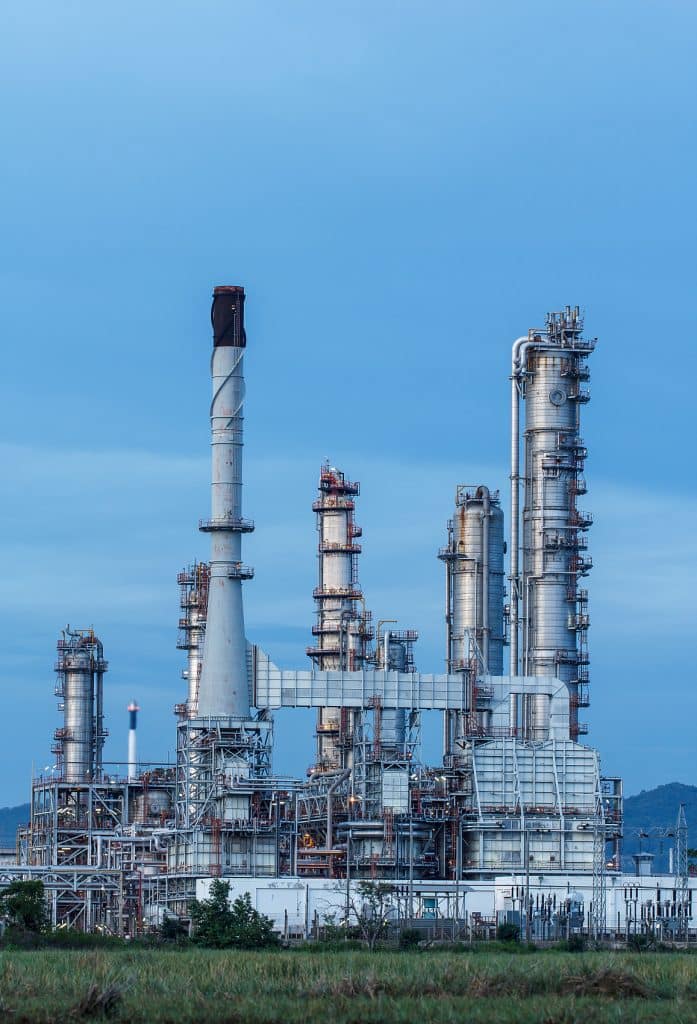
In chemical production, the reliability of chemical process pumps directly determines the continuity of the production chain and operational safety. For example, in petrochemical cracking processes, pumps must transport high-temperature (300-400℃) and high-pressure (10-20 MPa) hydrocarbon media; in fine chemical synthesis, they need to handle corrosive catalysts with pH values ranging from 1.0 to 13.0; in pharmaceutical chemical processes, they must comply with strict hygiene standards to avoid cross-contamination of products. As such, chemical process pumps are regarded as the “blood vessels” of chemical plants, playing an irreplaceable role in ensuring efficient and safe production.
What Operating Conditions Determine Chemical Pump Selection?
Accurate assessment of operating conditions is the prerequisite for selecting the right chemical process pump. In chemical plant scenarios, the following key operating parameters must be clarified to ensure the pump’s performance matches the actual production requirements. The table below summarizes the core operating condition categories, key information to confirm, and targeted notes for chemical applications.
Condição de funcionamento Categoria | Informações essenciais a confirmar | Notes for Chemical Plant Scenarios |
|---|---|---|
Medium Properties | Type (acid/alkali/organic solvent/slurry), composition, viscosity (mPa·s), density (kg/m³) | Focus on medium reactivity, toxicity, and flammability to determine sealing and material requirements |
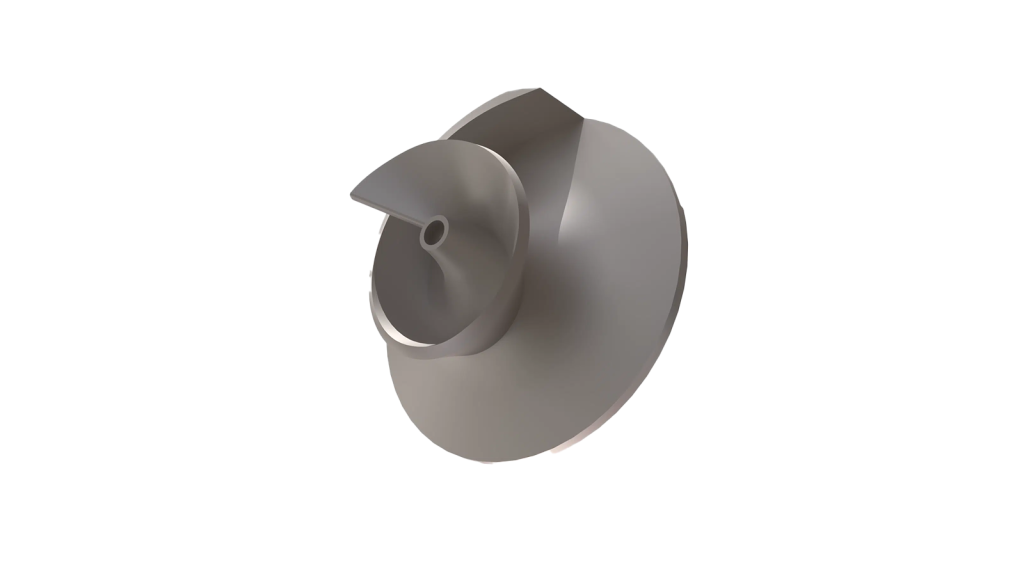
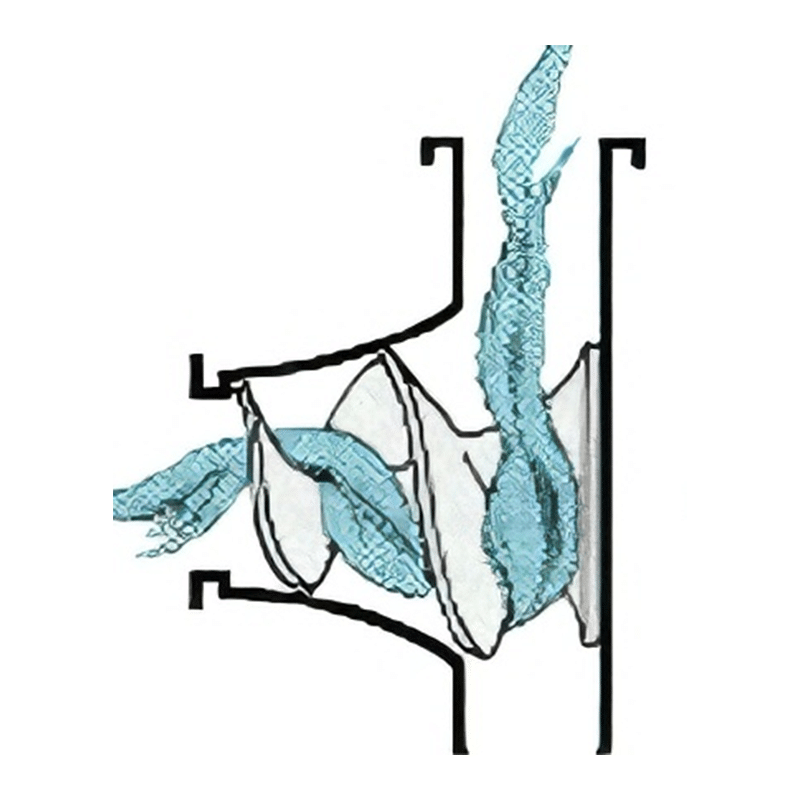
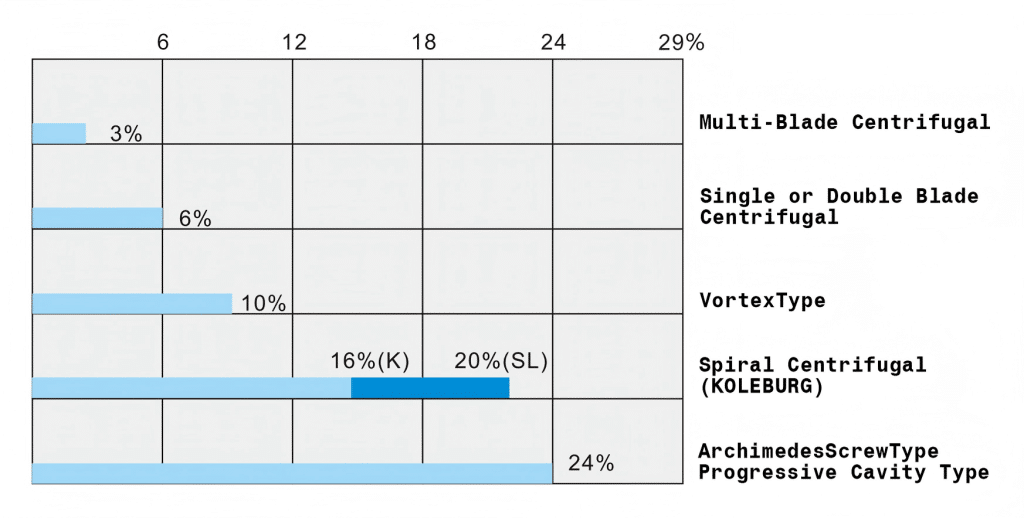
Conteúdo sólido e tamanho das partículas | Solid content (%), maximum particle size (mm), particle hardness | Critical for selecting anti-clogging and wear-resistant pump structures (e.g., spiral impellers) |
Temperature & Pressure | Operating temperature (℃), inlet/outlet pressure (MPa), temperature fluctuation range | High-temperature/pressure conditions require heat-resistant materials and pressure-resistant structural design (compliant with API 610 standards) |
Corrosiveness Level | pH value, corrosive ion concentration (e.g., Cl⁻, SO₄²⁻), corrosion rate (mm/year) | Directly determines the selection of corrosion-resistant materials (e.g., 316L stainless steel, duplex steel) |
Modo de funcionamento | Funcionamento contínuo (24h/365) ou funcionamento intermitente, horas de funcionamento anuais | Continuous operation requires pumps with high fatigue resistance and long maintenance cycles |
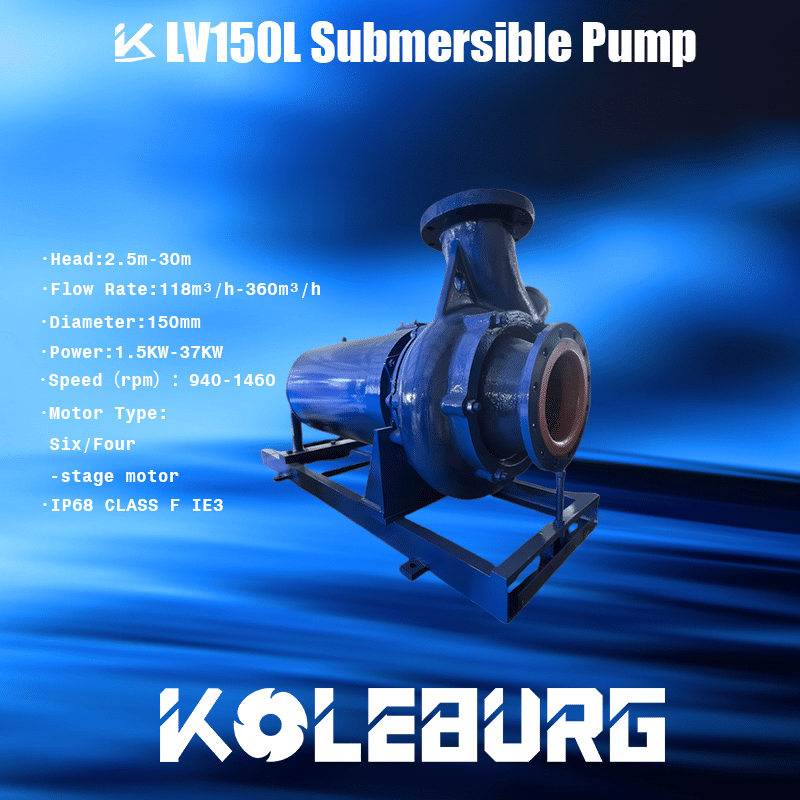
Installation & Layout | Dry-type/submersible/vertical/horizontal/belt-driven installation, pipeline layout, space constraints | Match installation type with workshop safety requirements (e.g., submersible pumps for sump drainage) |
Environmental Requirements | Explosion-proof grade (e.g., Ex d IIC T4), noise limits (dB(A)), environmental emission standards | Chemical plants in flammable and explosive environments require explosion-proof pump designs |
Common Pump Types in Chemical Plants and Their Core Advantages
Chemical plants involve diverse process links with varying medium and operating requirements, leading to the widespread use of multiple pump types. The following table lists the most common pump types in chemical production, their core advantages, and typical application scenarios, providing targeted selection references for chemical enterprises.
Tipo de bomba | Vantagens principais | Typical Chemical Application Scenarios |
|---|---|---|
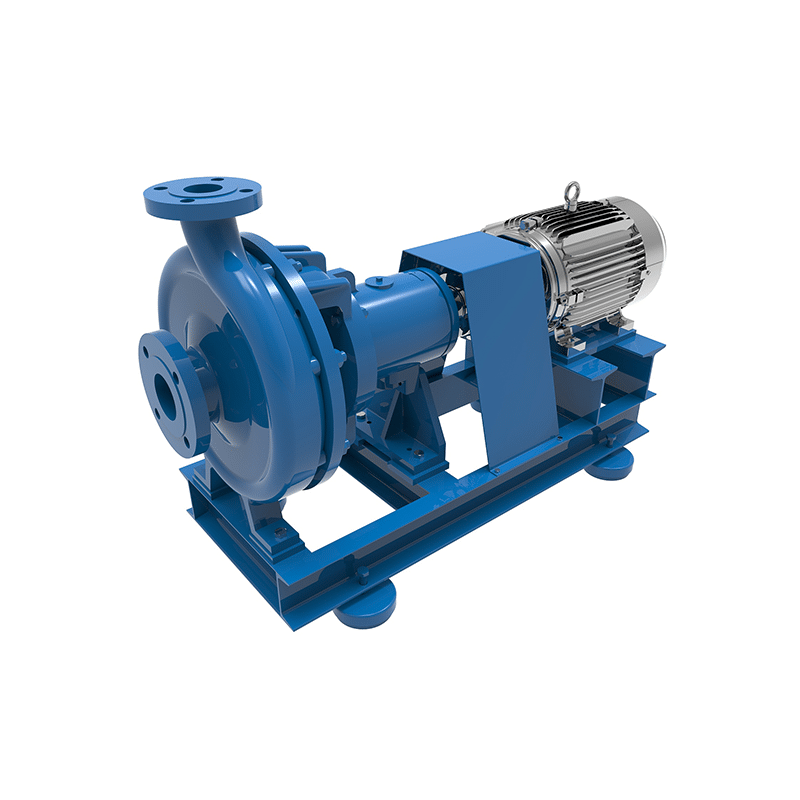
High operational efficiency (75-85%), stable flow output, compact structure, easy maintenance, wide flow range | Transportation of low-solid-content chemical solvents, process water, and cooling water | |
Bomba centrífuga para águas residuais de tipo seco | Equipped with dry-running protection, strong corrosion resistance, anti-clogging flow channels | Discharge of chemical wastewater containing solid residues and acidic/alkaline cleaning wastewater |
Excellent anti-winding and anti-clogging performance, balanced operation, suitable for high-solid slurries | Transportation of chemical slurry with solid content of 15-30% (e.g., catalyst slurry, chemical residue slurry) | |
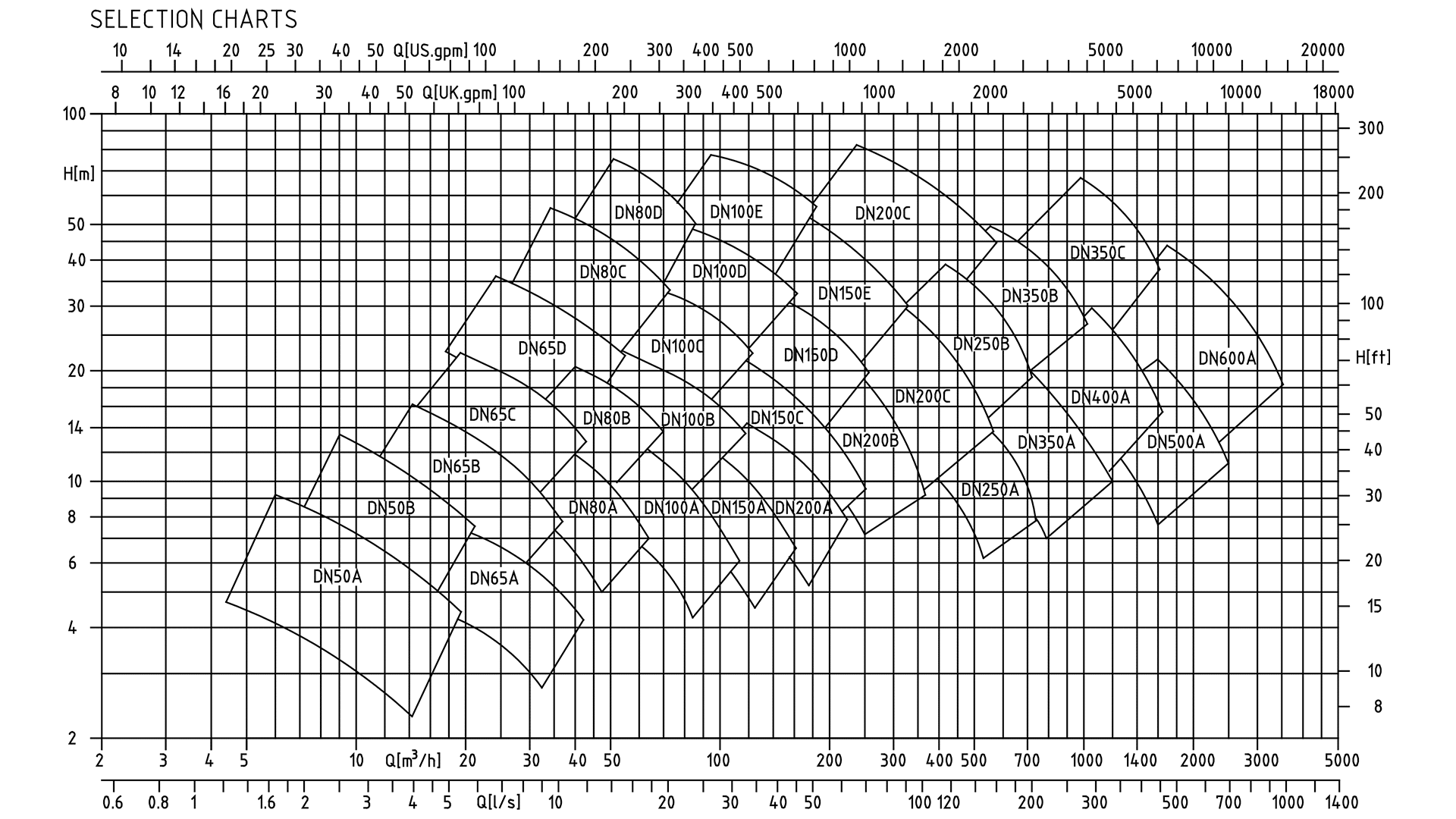
Large flow capacity (up to 10,000 m³/h), balanced axial force, low vibration, long service life | Large-scale chemical plant process water supply, circulating water systems, and raw material feeding | |
Compact structure, small footprint, direct pipeline installation, low energy consumption | Circulation of chemical solutions, hot water heating systems, and acid-alkaline cleaning solution circulation | |
Zero leakage (seal-less design), high corrosion resistance, suitable for toxic and flammable media | Transportation of toxic organic solvents, strong acids/alkalis, and flammable chemical media |
Performance Comparison of Core Chemical Process Pumps

To further assist in pump selection, the following table compares the key performance indicators of the most widely used centrifugal pumps and magnetic drive centrifugal pumps in chemical plants, providing quantitative reference for selection.
Indicador de desempenho | Bomba centrífuga | Magnetic Drive Centrifugal Pump |
|---|---|---|
Gama de eficiência (%) | 75-85 | 70-80 |
Maximum Temperature (℃) | 350 | 300 |
Maximum Pressure (MPa) | 16 | 10 |
Ciclo de manutenção (meses) | 6-12 | 12-18 |
Leakage Risk | Low (mechanical seal) | Zero (seal-less) |
Applicable Medium Toxicity | Low to medium | Medium to high |
Chemical Process Pump Components & Material Selection
Material selection of chemical process pump components is critical to ensuring operational safety, service life, and media compatibility. All components in contact with chemical media must comply with authoritative standards such as API 610, ANSI B73.1, and FDA 21 CFR Part 177 (for food-grade chemical applications). The following table lists the recommended materials for key pump components and their selection basis for chemical plant scenarios.
Componente da bomba | Materiais recomendados | Selection Basis for Chemical Applications |
|---|---|---|
Aço inoxidável 304/316L, Duplex 2205, Hastelloy C-276 | 316L for general acids/alkalis; Duplex 2205 for high-pressure corrosive media; Hastelloy C-276 for strong oxidizing acids (e.g., nitric acid) | |
High-chromium Alloy, 316L Stainless Steel, Duplex 2205 | High-chromium alloy for abrasive slurries; 316L/Duplex 2205 for corrosive media; ensures wear and corrosion resistance | |
42CrMo Alloy Steel, 316L Stainless Steel, Inconel 625 | 42CrMo for high-strength continuous operation; 316L/Inconel 625 for direct contact with corrosive media | |
SiC-SiC, PTFE-coated Seal Ring, Graphite-Ceramic | SiC-SiC for high-temperature/corrosive media; PTFE-coated for strong acids; ensures zero leakage and long service life | |
FKM, EPDM, PTFE | FKM for high-temperature/chemical resistance; EPDM for general alkaline media; PTFE for strong acids and solvents |
How to Ensure Long-Term Stable Operation of Chemical Process Pumps?
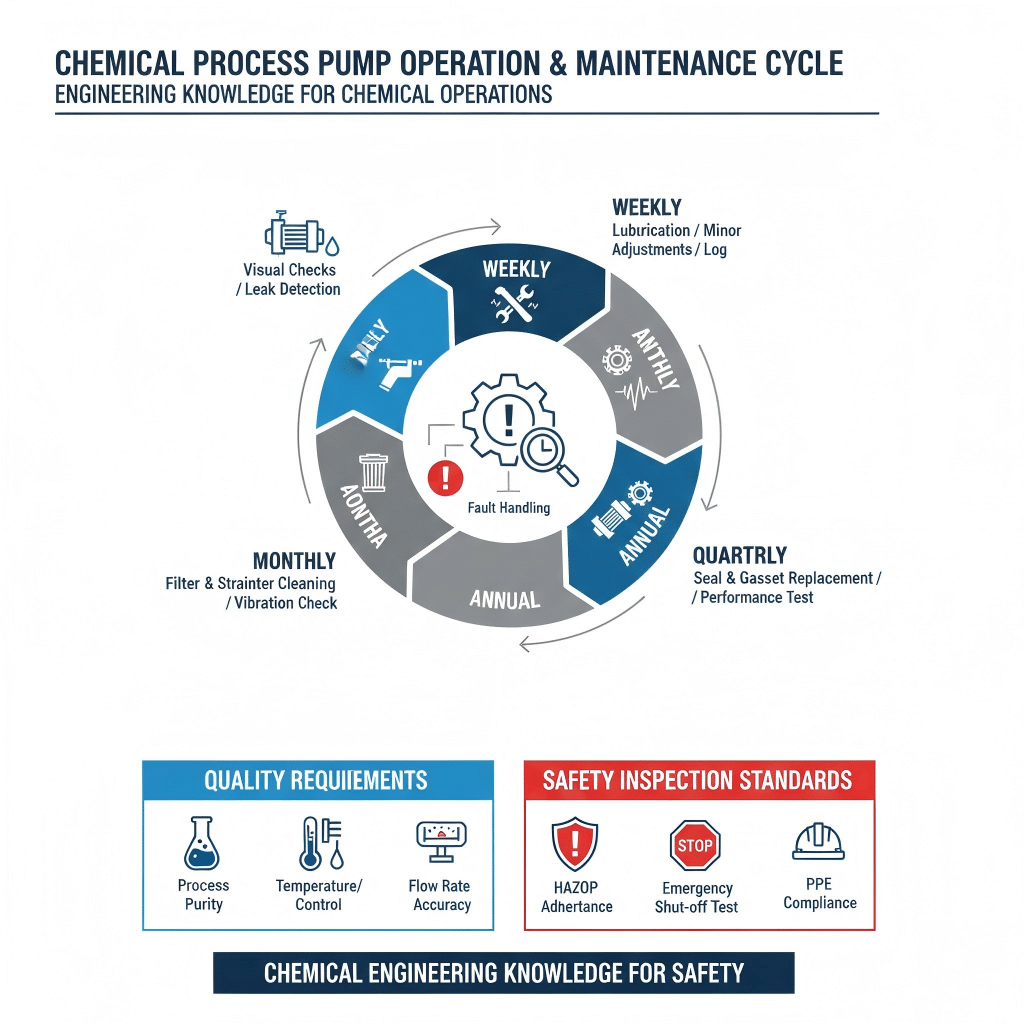
Chemical process pumps operate in harsh environments with high temperature, high pressure, and strong corrosion, so scientific operation and maintenance are crucial to extending their service life, reducing failure rates, and ensuring production safety. The following are targeted management strategies based on chemical plant operating characteristics.
1. Pontos-chave da inspeção e monitorização diárias
- Real-time monitor key parameters: pump flow, head, motor current, medium temperature/pressure, and vibration amplitude; install intelligent sensors to trigger alarms for abnormalities (over-temperature, over-current, leakage, excessive vibration)
- Check sealing performance: regularly inspect mechanical seals, flanges, and O-rings for media leakage; immediately shut down for maintenance if leakage is detected to avoid environmental pollution and safety hazards
- Clean and maintain filters: regularly clean the pump inlet filter screen to prevent blockage by solid particles, which may cause cavitation or impeller damage
- Inspect lubrication system: check the level and quality of lubricating oil; replace lubricating oil in a timely manner if it deteriorates to ensure reliable lubrication of bearings and other moving parts
2. Calendário de manutenção regular
Ciclo de manutenção | Tarefas principais | Requisitos de qualidade |
|---|---|---|
Diário | Visual inspection of pump operation status; cleaning of pump surface; checking lubricating oil level and sealing status | No abnormal noise/vibration; normal lubricating oil level; no media leakage |
Semanal | Calibrate flow meters and pressure gauges; inspect wear of mechanical seals; test impeller rotation flexibility | Accurate instrument readings; no seal damage; smooth impeller rotation |
Mensal | Disassemble and clean the pump body and impeller; inspect component corrosion/wear; disinfect contact surfaces (for food-grade chemicals) | No scale or residue; no obvious corrosion/wear; hygiene compliance rate 100% |
Trimestral | Test pump performance (efficiency, flow, head); replace lubricating oil; conduct comprehensive safety inspections | Performance degradation ≤5%; no safety hazards; complete maintenance records |
Anualmente | Replace worn components (impeller, seal, bearing); conduct dynamic balancing calibration; update equipment operation records | Pump performance meets design requirements; complete and accurate operation records |
3. Common Fault Handling for Chemical Process Pumps
- Bloqueio do impulsor: Immediately shut down the pump; disassemble and clean the impeller with high-pressure water or chemical cleaning agents (matching the medium); optimize pre-treatment processes (e.g., add a fine filter) to prevent recurrence
- Fuga de meios: Replace worn seals/gaskets with materials that match the medium; reprocess the sealing surface to ensure flatness; check and tighten flange bolts evenly
- Redução da eficiência operacional: Inspect for impeller wear, pipeline scaling, or cavitation; clean or replace worn components; adjust the pump speed using a frequency converter to match the actual flow demand