














What is a Sludge Pump? Application in Incinerator Scenarios

A sludge pump is a specialized fluid-handling device designed to transport high-viscosity, high-solid-content slurry media, featuring optimized structural designs such as large flow channels and wear-resistant impellers to avoid clogging and abrasion. In incinerator systems, sludge pumps play an indispensable role in the post-incineration treatment process, primarily responsible for transporting incineration by-products including bottom slag slurry and fly ash-sludge mixtures.
The core application links of sludge pumps in incinerator scenarios include:
- Transferring bottom slag slurry from the incinerator hearth to the slag treatment system
- Transporting fly ash-sludge mixtures generated during flue gas purification to the solid waste disposal unit
- Discharging concentrated sludge from the incinerator wastewater treatment system
- Circulating reaction media in the incineration residue stabilization process
Notably, sludge pumps for incinerator applications must withstand extreme conditions such as high temperature (up to 240℃ for primary slag slurry), strong corrosion (from HCl, SO₂ and other acidic gases in flue gas condensate), and high solid particle hardness (fly ash particles with Mohs hardness of 5-7). According to API 610 and ISO 5199 standards, such pumps require specialized material selection and structural design to ensure long-term reliable operation.
How to Match Incinerator Operating Conditions with Pump Performance?
Incinerator operating conditions are characterized by high temperature, strong corrosion, and high solid content, which directly determine the pump’s performance requirements. The following key parameters must be clarified for accurate pump selection, ensuring optimal matching between pump performance and actual operating conditions:
1. Core Operating Condition Parameters for Incinerator Pumps
Operating Condition Parameter | Typical Range in Incinerator Scenarios | Pump Selection Requirements |
|---|---|---|
Medium Type | Bottom slag slurry, fly ash suspension, flue gas condensate, acidic/alkaline wastewater | Select pumps with corresponding corrosion and wear resistance based on medium properties |
Solid Content (%) | 10-35% (bottom slag slurry), 5-15% (fly ash suspension) | High solid content requires pumps with large flow channels and anti-clogging impellers |
Maximum Particle Size (mm) | 0.5-12mm (bottom slag), 0.1-2mm (fly ash) | Particles >8mm need pumps with cutting or anti-clogging impeller designs |
Temperature (℃) | 80-240℃ (slag slurry), 40-80℃ (wastewater), 400-800℃ (high-temperature flue gas auxiliary systems) | Select high-temperature resistant materials and seals; reserve 10% temperature margin |
pH Value | 2-6 (flue gas condensate), 7-11 (alkaline wastewater) | pH <4 requires acid-resistant materials; pH >9 requires alkali-resistant materials |
2. Key Operational Performance Requirements
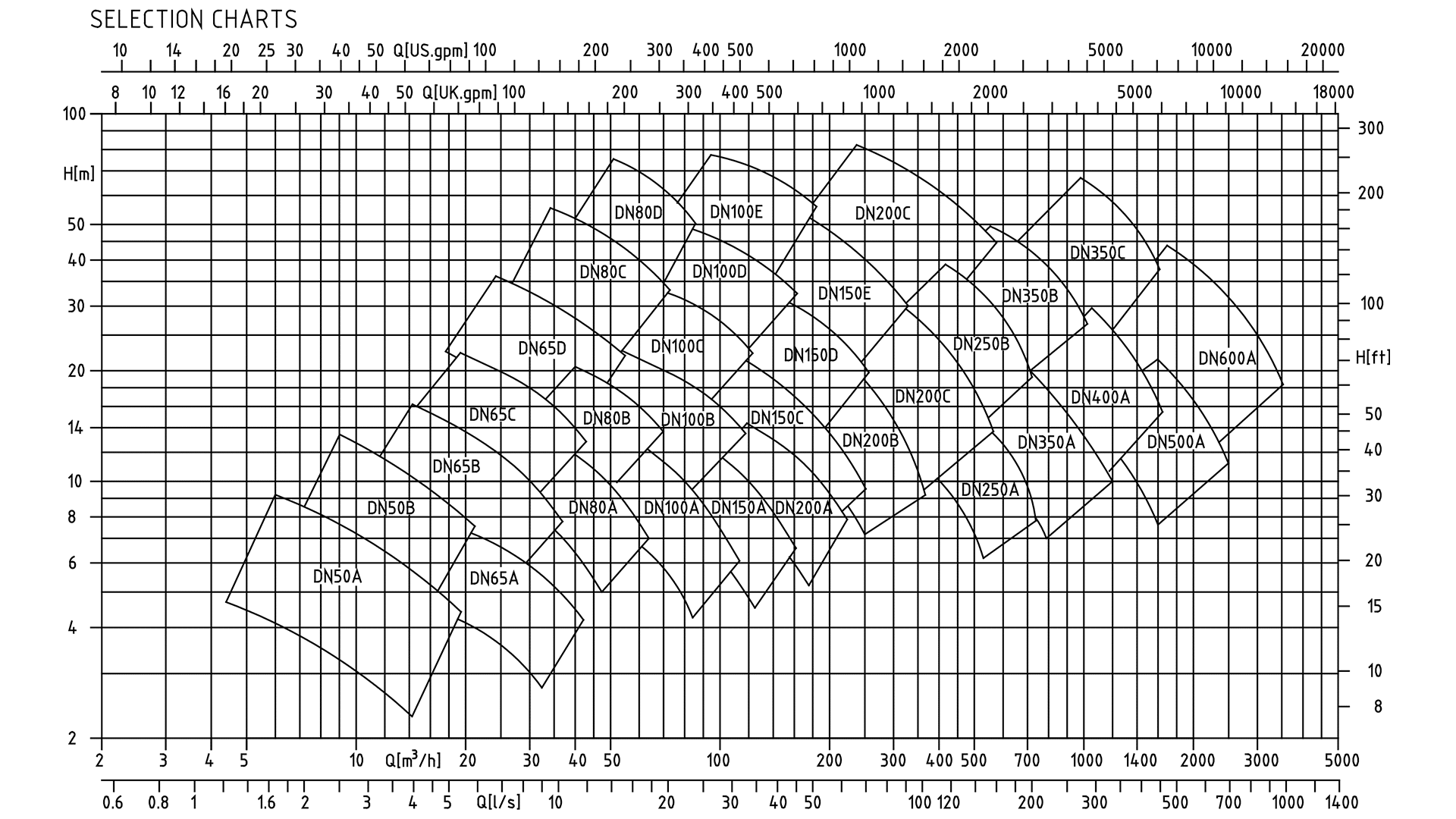
- Flow Rate: Determined by incineration capacity; for 300t/d incinerators, slag slurry pump flow rate needs 50-100m³/h
- Head: Calculate based on pipeline resistance and lifting height; reserve 15-20% margin to cope with medium viscosity changes
- Operation Mode: 24h/365 continuous operation for main systems; intermittent operation for auxiliary systems (e.g., wastewater treatment)
3. Installation Environment Adaptation
Installation Type | Applicable Scenarios | Advantages for Incinerator Applications |
|---|---|---|
Submersible Type | Slag slurry pools, wastewater collection tanks | Avoids medium sedimentation at inlet; suitable for narrow installation space |
Dry Type | Incinerator workshops, flue gas treatment stations | Easy maintenance; convenient for regular inspection of high-temperature components |
Vertical Type | High-temperature flue gas auxiliary systems | Small footprint; favorable for heat dissipation in high-temperature environments |
Common Pump Types for Incinerator Scenarios and Their Advantages

Different types of pumps have distinct structural characteristics and application advantages in incinerator systems. The following are the most widely used types in industry practice, selected based on medium properties and operational requirements:
Pump Type | Core Advantages | Typical Application Scenarios |
|---|---|---|
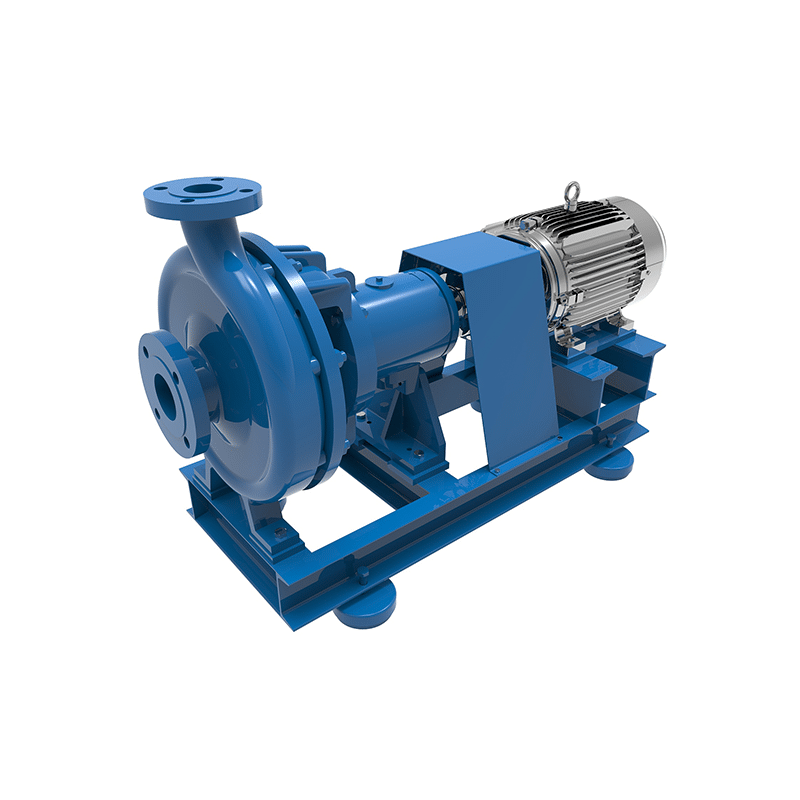
Stable flow and head output; high efficiency (up to 85%); easy to maintain | Flue gas treatment wastewater transfer, low-temperature circulating water systems | |
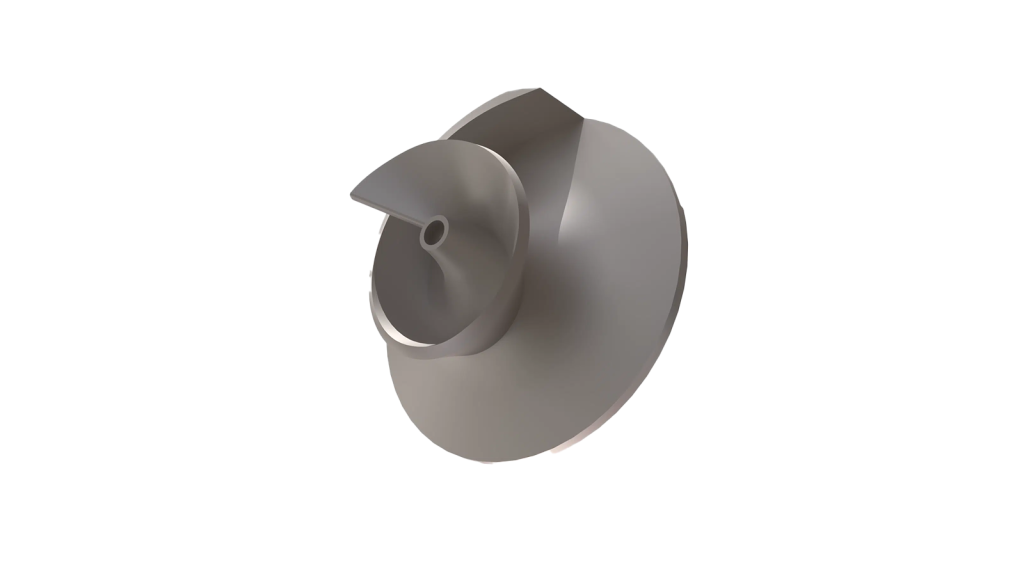
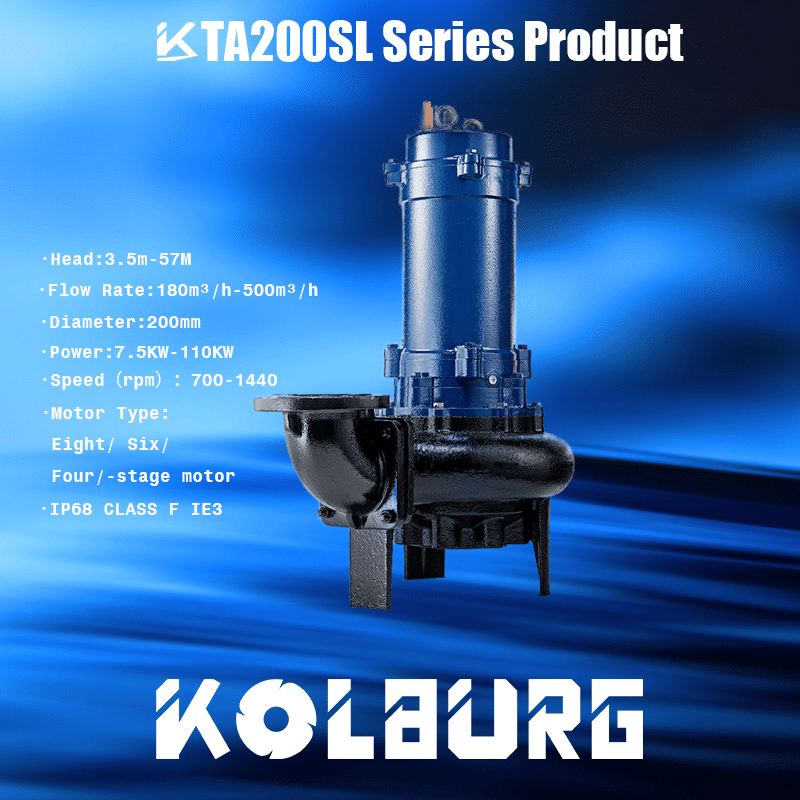
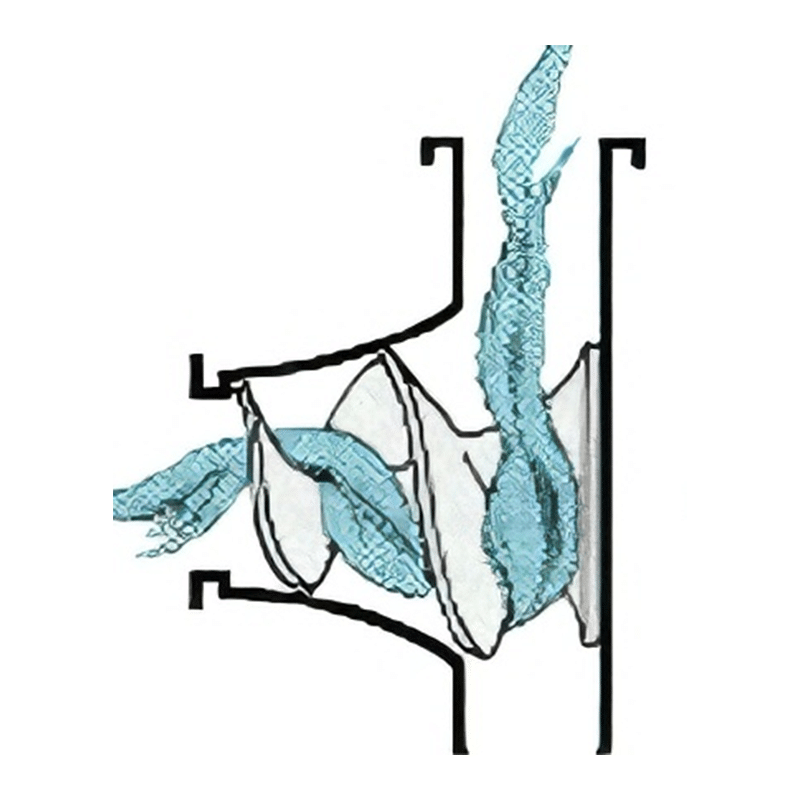
Superior anti-clogging and anti-winding performance; suitable for high-viscosity media | Fly ash suspension transfer, high-solid-content slag slurry circulation | |
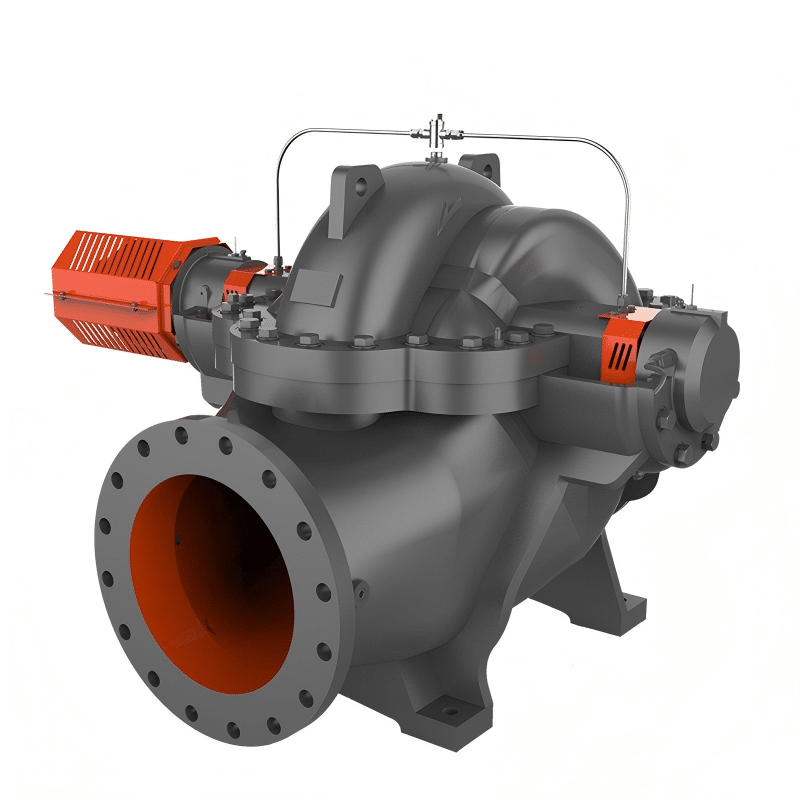
Large flow capacity (up to 1000m³/h); low vibration; long service life | Incinerator cooling water circulation, large-flow reclaimed water systems | |
High-Temperature Pipeline Pump | High-temperature resistance (up to 350℃); compact structure; good thermal stability | High-temperature flue gas auxiliary systems, heat recovery circulating water transfer |
Dry-Type Sewage Centrifugal Pump | Strong corrosion resistance; easy to inspect and maintain; compliant with EN IEC 60335-2-41 safety standards | Acidic/alkaline wastewater transfer in flue gas treatment systems |
Key Performance Comparison of Common Pumps
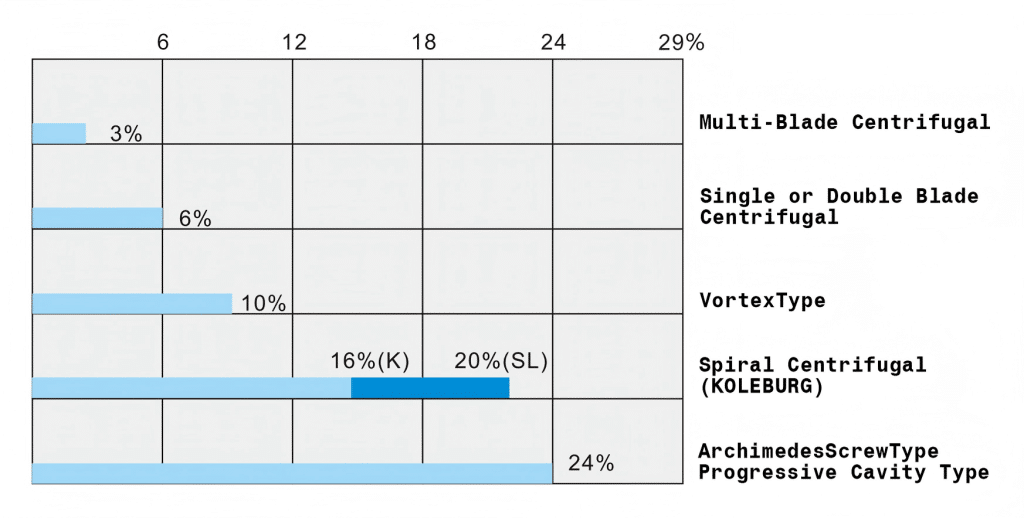
- Anti-Clogging Capacity: Double spiral centrifugal pump > submersible sewage pump > dry-type centrifugal pump
- High-Temperature Resistance: High-temperature pipeline pump > vertical centrifugal pump > double suction pump
- Energy Efficiency: Double suction pump has the highest energy efficiency (82-85%), 10-15% higher than traditional centrifugal pumps under the same conditions
- Maintenance Cost: Dry-type pumps have the lowest annual maintenance cost (5-8% of pump price), while submersible pumps have higher costs due to high-temperature sealing requirements
Material Selection for Incinerator Pumps
Material selection is critical for incinerator pumps, as they operate in harsh environments of high temperature, strong corrosion, and high wear. Selection must be based on medium characteristics (corrosiveness, solid particle hardness) and operational temperature, complying with API 610 and ISO 5199 standards. The following is the recommended material selection for key components:
Pump Component | Recommended Materials | Selection Basis and Advantages |
|---|---|---|
304/316L stainless steel, Duplex 2205, high-temperature cast steel | 316L stainless steel for acidic media; Duplex 2205 for strong corrosion/high pressure; high-temperature cast steel for >200℃ environments | |
High-chromium alloy (Cr26), Duplex 2205, ceramic-coated stainless steel | High-chromium alloy for high-wear slag slurry; ceramic coating enhances wear resistance by 2-3 times | |
42CrMo alloy steel, 316L stainless steel, Inconel alloy | 42CrMo for general conditions; Inconel alloy for high-temperature (>300℃) and strong corrosion environments | |
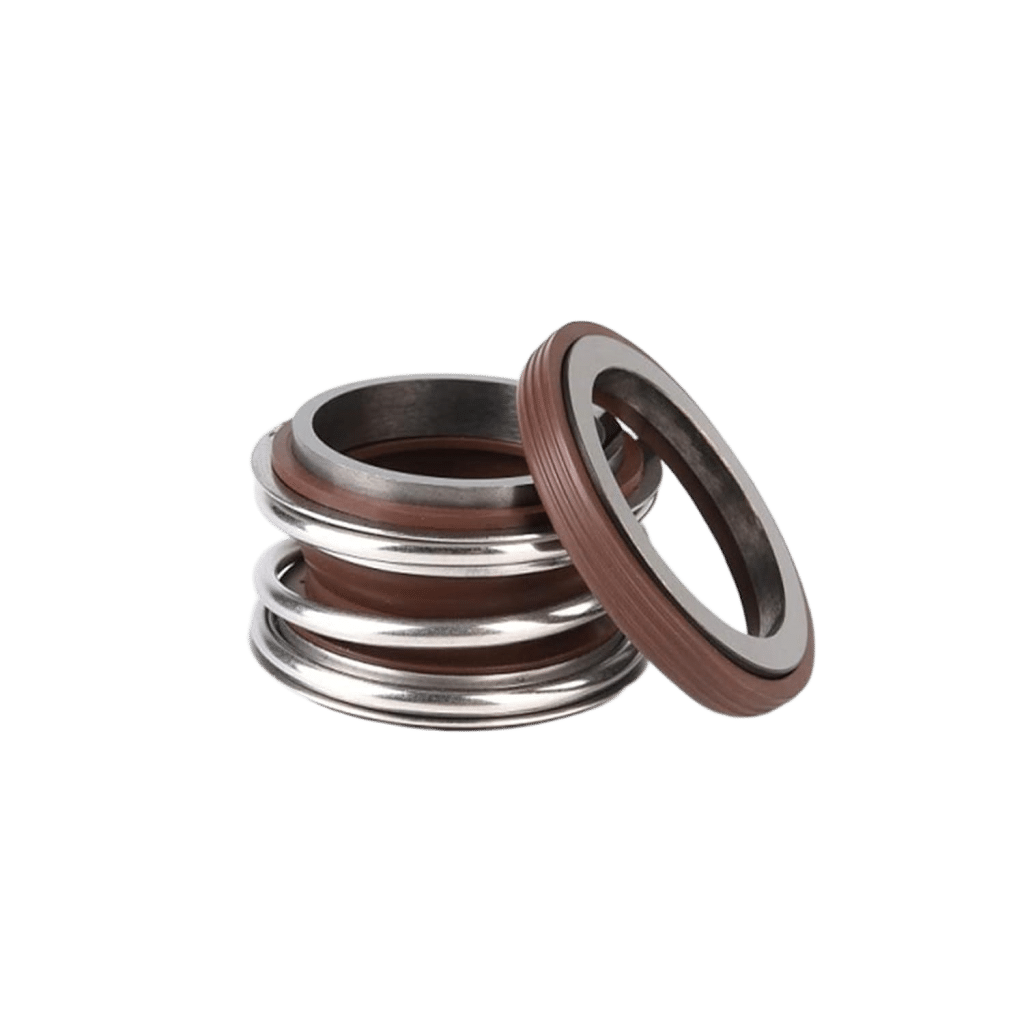
Silicon carbide-silicon carbide (SiC-SiC), PTFE-coated, high-temperature metal bellows | SiC-SiC for high temperature and wear; high-temperature bellows seal for >200℃ operation, preventing seal failure | |
Fluorine rubber (FKM), perfluoroelastomer (FFKM) | Fluorine rubber for 200℃/strong corrosion; FFKM for >250℃ extreme high-temperature environments |
Material Selection Principles for Incinerator Pumps
- Prioritize comprehensive performance: Balance high-temperature resistance, corrosion resistance, and wear resistance, avoiding over-reliance on single performance indicators
- Comply with international standards: Materials must meet API 610, ISO 5199, and EN IEC 60335-2-41 safety requirements to ensure product reliability
- Cost-effectiveness balance: Select materials based on actual operating conditions; for example, use 316L stainless steel for general acidic media instead of expensive Inconel alloy
- Consider long-term operation: Materials should have good thermal stability and fatigue resistance to adapt to 24/365 continuous high-temperature operation
Maintenance Strategies for Incinerator Pumps
Scientific maintenance is essential to extend the service life of incinerator pumps and reduce operational costs. Given the harsh operating environment (high temperature, strong corrosion, high wear), targeted maintenance strategies based on operational characteristics are proposed:
1. Daily Inspection and Monitoring Items
- Monitor key operating parameters (flow rate, head, current, temperature) to ensure they are within design ranges; abnormal fluctuations indicate potential clogging or component wear
- Check for medium leakage at seals and connections, especially for high-temperature and corrosive media
- Monitor pump vibration and noise; normal operating noise should be ≤75dB (A), and vibration velocity ≤2.8mm/s (per EN IEC 60335-2-41 standards)
- Inspect the cooling system of high-temperature pumps to ensure effective heat dissipation and avoid overheating
2. Regular Maintenance Schedule
Maintenance Cycle | Key Maintenance Content | Quality Requirements |
|---|---|---|
Weekly | Clean pump inlet filter screens and check for blockages; inspect lubricating oil level and quality | No residual solid particles at inlet; lubricating oil free of impurities and water |
Monthly | Inspect mechanical seal and O-ring status; check pump shaft runout; clean heat dissipation components | No medium leakage; shaft runout ≤0.05mm; heat dissipation components free of dust accumulation |
Quarterly | Inspect impeller and volute wear; measure pump efficiency; check corrosion status of key components | Wear amount ≤5mm; efficiency reduction ≤10%; no obvious corrosion on component surfaces |
Annually | Comprehensive disassembly and maintenance; replace worn components; calibrate pump performance | Pump performance restored to ≥90% of new pump level; all components comply with API 610 standard requirements |
3. Common Fault Handling Measures
- Pump Clogging: Immediately stop the pump, disassemble the inlet pipe and impeller, and clean blocked solid particles; install a finer filter screen if necessary to prevent re-clogging
- Excessive Vibration and Noise: Check for impeller imbalance (caused by uneven wear) or pipeline misalignment; rebalance the impeller or realign the pipeline
- Medium Leakage: Replace the mechanical seal or O-ring; for high-temperature pumps, check if the seal cooling system is functioning properly
- Reduced Efficiency: Inspect for impeller wear or internal corrosion; repair or replace worn components; clean the flow channel to remove scale and deposits
Engineering Case Study: Pump Application in Municipal Waste Incineration Power Plant

Taking a municipal waste incineration power plant with a daily treatment capacity of 300 tons as an example, this section analyzes the selection, application effect, and optimization experience of incinerator pumps, providing practical reference for similar projects. The plant adopts a waste-to-energy process, with key operating conditions consistent with typical municipal waste incinerators (high temperature, high corrosion, high solid content).
Project Background and Operating Conditions
- Treatment Process: Waste Storage → Incineration → Heat Recovery → Flue Gas Treatment → Slag/Sludge Disposal
- Medium Characteristics: Bottom slag slurry (solid content 25-30%, maximum particle size 10mm, temperature 180-220℃); flue gas condensate (pH 2.5-4.0, temperature 60-80℃); fly ash suspension (solid content 8-12%, particle size 0.1-1.5mm)
- Operation Requirements: 24h/365 continuous operation; pump operational rate ≥98%; compliance with national environmental protection and safety standards
Pump Selection and Configuration
Process Link | Pump Type Selected | Configuration Parameters and Materials |
|---|---|---|
Bottom Slag Slurry Transfer | Double Spiral Centrifugal Pump | 4 units, flow rate 80m³/h, head 25m; impeller material: high-chromium alloy (Cr26); pump body: Duplex 2205 |
Flue Gas Condensate Transfer | Dry-Type Sewage Centrifugal Pump | 2 units, flow rate 50m³/h, head 20m; material: 316L stainless steel; mechanical seal: SiC-SiC |
Cooling Water Circulation | Double Suction Pump | 2 units, flow rate 500m³/h, head 35m; material: cast steel (HT200); efficiency: 84% |
Fly Ash Suspension Transfer | Submersible Sewage Pump | 3 units, flow rate 60m³/h, head 18m; material: 304 stainless steel; with anti-clogging cutting impeller |
Application Effect and Data Analysis
Evaluation Index | Design Target | Actual Operation Result |
|---|---|---|
Pump Operational Rate | ≥98% | 99.4% |
Average Service Life | ≥20 months | 26 months |
Energy Consumption | ≤1.2 kWh/m³ | 1.05 kWh/m³ |
Fault Frequency | ≤1 time/quarter | 1 time/6 months |
Key Experience and Optimization Suggestions
- Material selection must match harsh conditions: For high-temperature slag slurry (≥200℃), Duplex 2205 and high-chromium alloy are preferred to avoid early corrosion and wear failure
- Equipping variable frequency drives (VFD) for key pumps can reduce energy consumption by 12-15% and mitigate the impact of medium viscosity changes on pump performance
- Strengthening medium pretreatment (e.g., secondary crushing of large slag particles) can reduce maximum particle size to <8mm, significantly reducing pump clogging frequency
- Implementing a predictive maintenance system based on vibration and temperature monitoring can detect potential faults in advance, reducing unplanned downtime by 30%