











For industrial operators in dredging, mining, and wastewater treatment, water is often the “expensive passenger”. Pumping a slurry that is mostly water isn’t just inefficient; it’s a drain on fuel, component lifespan, and overall profitability. While 72% of operators struggle with low solids, modern engineering allows for concentrations of 40-65% with the right optimization.
This guide, developed by experts with over 18 years of experience in pump hydraulics, provides a strategic framework for business owners and procurement leaders to maximize throughput and minimize costs.
Key Takeaways
- Mechanical Agitation is Vital: Integrated stirring wheels can increase solid concentration by 30-40% by suspending settled materials.
- Precision Positioning: Keeping the suction inlet 10-30 cm above the sediment can nearly double concentration levels.
- Financial Impact: Increasing solids from 30% to 50% can reduce fuel consumption by up to 28%.
- Maintenance Strategy: High-concentration pumping requires high-chromium wear parts and specialized seals to prevent premature failure.
Why Is Solid Concentration the Key to Your Profitability?

In the world of sand suction, solid concentration—the ratio of solids to the total volume or weight of the slurry—is the primary metric for ROI. When concentration is low, you are essentially paying to move water.
- Fuel Savings: Transporting dense slurry means the pump does more “useful work” per liter of fuel.
- Extended Equipment Life: Lower runtime to move the same volume of sand reduces the total wear cycles on impellers and liners.
- Supply Chain Predictability: Consistent concentration ensures downstream processes like sand washing or tailings disposal remain on schedule.
TIP: Think of solid concentration as your “payload.” Every 1% increase in solids is a direct reduction in the energy cost per ton of material moved.
How Do I Choose the Right Pump Design for High Solids?

Not all pumps are created equal. Achieving 50%+ solid concentration starts with hardware that can handle the mechanical stress and the physical properties of the sediment.
The Power of Integrated Stirring Mechanisms
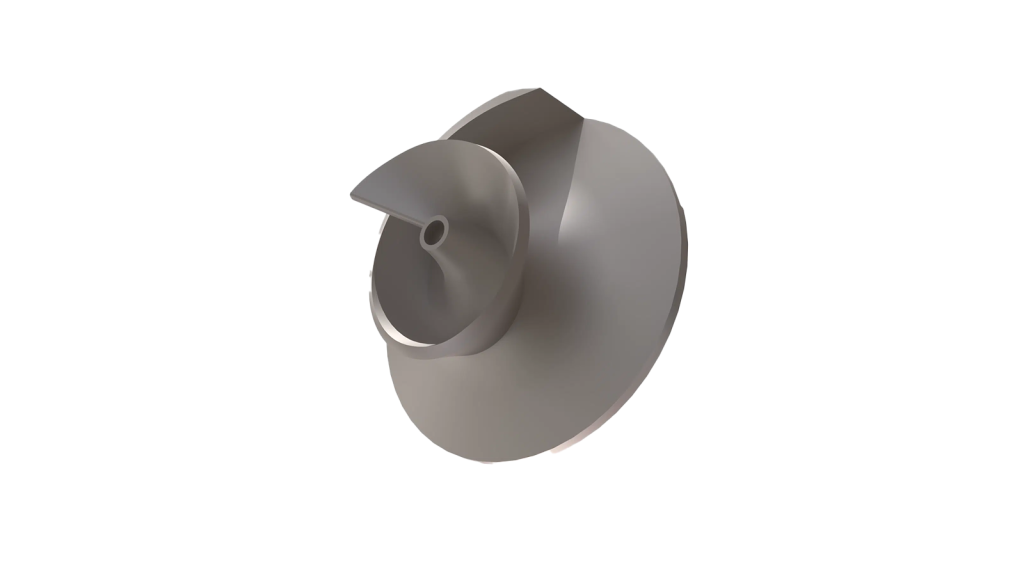
Standard suction relies on the flow of water to carry sand. However, heavy sand often stays settled. Pumps like the KSQ series feature an independent stirring wheel that agitates the bed, mixing it into a uniform slurry before it enters the impeller.
Calculating the Perfect Fit
An oversized pump leads to cavitation and dilution, while an undersized pump will clog. Use the ISO 13709 standard formula to align your flow rate with your production targets:

| Variable | Definition | Typical Value Example |
|---|---|---|
| Q | Required Pump Flow Rate (h/m³) | 100 $m^3/h$ |
| W | Hourly Solid Mass Flow (tons/h) | 100 tons/h |
| Ps | Density of Solid Particles (tons/m³) | 1.6 – 2.6 (Sand) |
| Cw | Desired Weight Concentration (decimal) | 0.5 (for 50%) |
TIP: If your material is highly compacted, no amount of suction will suffice; you must use mechanical or hydraulic agitation to “liquefy” the sand bed.
What Operational Tweaks Deliver the Fastest Results?

Even the best equipment fails if the operational settings are off. Field experience from over 70 industrial sites shows that small adjustments lead to massive gains.
Optimize Submersion and Angle
- The Sweet Spot: Maintain the suction inlet 10-30 cm above the sediment. Too high, and you suck only water; too low, and you risk “burying” the pump.
- The 15-30° Rule: Positioning the pump at a slight angle rather than perfectly vertical can improve intake flow and reduce air pockets.
Use Auxiliary Agitation Equipment
For “plate-like” or iron-heavy sand, the pump’s internal stirrer may need help.
- High-Pressure Water Jets: Jets with a head of 50+ meters can break up hard-packed layers, boosting concentration by 20-30%.
- Mechanical Reamers: Hydraulic reamers act like “claws” to feed material directly into the suction zone.
| Agitation Method | Best For… | Expected Concentration Boost |
|---|---|---|
| Internal Stirring Wheel | Loose sand and sludge | 30-40% |
| High-Pressure Jets | Compacted river beds | 20-30% |
| Chemical Flocculants | Fine clay-rich sand | 15-25% |
How to Manage the Supply Chain for High-Concentration Pumping

High solid concentration increases the physical “sandblasting” effect inside your pump. Procurement managers must prioritize a robust MRO (Maintenance, Repair, and Operations) strategy to prevent downtime.
- Material Selection: Always insist on high-chromium (Cr27+) impellers and wear plates. Counterfeit or low-grade parts can reduce efficiency by up to 20%.
- Sealing Systems: Use double mechanical seals to prevent the high-pressure slurry from entering the motor or bearing housing.
- Vendor-Managed Inventory (VMI): Partnering with suppliers for a VMI program can reduce downtime by 40% by ensuring critical spares are always on-site.
TIP: Track your “Cost Per Ton” moved rather than the “Price Per Impeller.” Higher-quality parts last 2.5 times longer in high-concentration environments.
Real-World Success: The 60% Improvement Case Study
A dredging operation in Guangdong was struggling with 30% solids, resulting in missed deadlines and high fuel bills. By upgrading to a 400GN-50 pump with an integrated stirrer and adding water jets, they achieved the following:
| Metric | Before Optimization | After Optimization | Improvement |
|---|---|---|---|
| Solid Concentration | 30% | 48% | 60% Increase |
| Fuel Costs | Baseline | -28% | $180k Annual Saving |
| Component Life | 1.0x | 2.5x | 150% Longer Life |
| Extraction Capacity | Baseline | +40% | Ahead of Schedule |
FAQ: Boosting Your Pump Performance
1. Can any sand suction pump achieve 50% solid concentration?
Not effectively. Standard pumps without agitation mechanisms usually plateau at 20-30%. To reach 40-65%, you typically need a pump with a stirring wheel or auxiliary high-pressure jets.
2. How do I monitor solid concentration in real-time?
Operators should use ultrasonic or gamma-ray slurry concentration meters. This data allows for immediate adjustments to pump speed or depth, reducing variability from ±15% to ±5%.
3. Does higher concentration mean more clogs?
Not if managed correctly. By using chemical additives like PAM (5-15 g/t) to reduce viscosity and ensuring the pump is not “buried” in the sediment, you can maintain high solids without increasing the risk of blockages.
4. What are the best wear parts for high-solid applications?
High-chromium alloys (ASTM A532) are the industry standard for impellers and wear plates. They resist the abrasive nature of dense slurry much better than standard cast iron or rubber in sand applications.


