














What is a Beverage Pump?

A beverage pump is a specialized fluid handling device designed for the beverage production process, which is used to transport various beverage media (including raw materials, semi-finished products, finished products) and auxiliary media (such as cleaning solutions, cooling water) while meeting strict hygiene and safety requirements. Unlike ordinary industrial pumps, beverage pumps must prioritize product safety and hygiene, avoiding any potential contamination of beverages during transportation.
The core characteristics of beverage pumps include:
- Compliance with international hygiene standards such as FDA 21 CFR Part 177 and 3-A Sanitary Standards to ensure that all parts in contact with beverages are non-toxic, odorless, and non-polluting
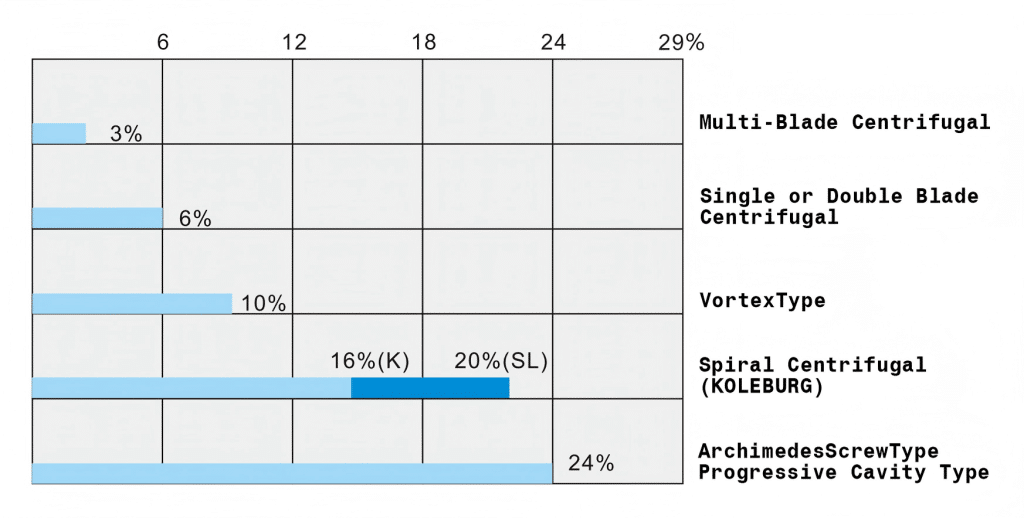
- Excellent anti-clogging performance to adapt to media containing solid particles (such as fruit pulp, fruit residues) in the beverage production process
- Low shear force to avoid damaging the nutritional components and sensory quality of heat-sensitive beverages (such as fruit juice, dairy drinks)
- Corrosion resistance to cope with acidic, alkaline, and high-sugar beverage media (pH range: 2.5-9.0)
- Easy to disassemble and clean, reducing the difficulty of CIP (Clean-in-Place) cleaning and improving production efficiency
According to industry statistics, the global beverage pump market size is expected to reach $7.8 billion by 2027, with a compound annual growth rate of 4.8%, driven by the continuous expansion of the global beverage industry and increasingly stringent food safety regulations (source: Grand View Research).
How to Ensure Optimal Matching of Beverage Pumps with Operating Conditions?
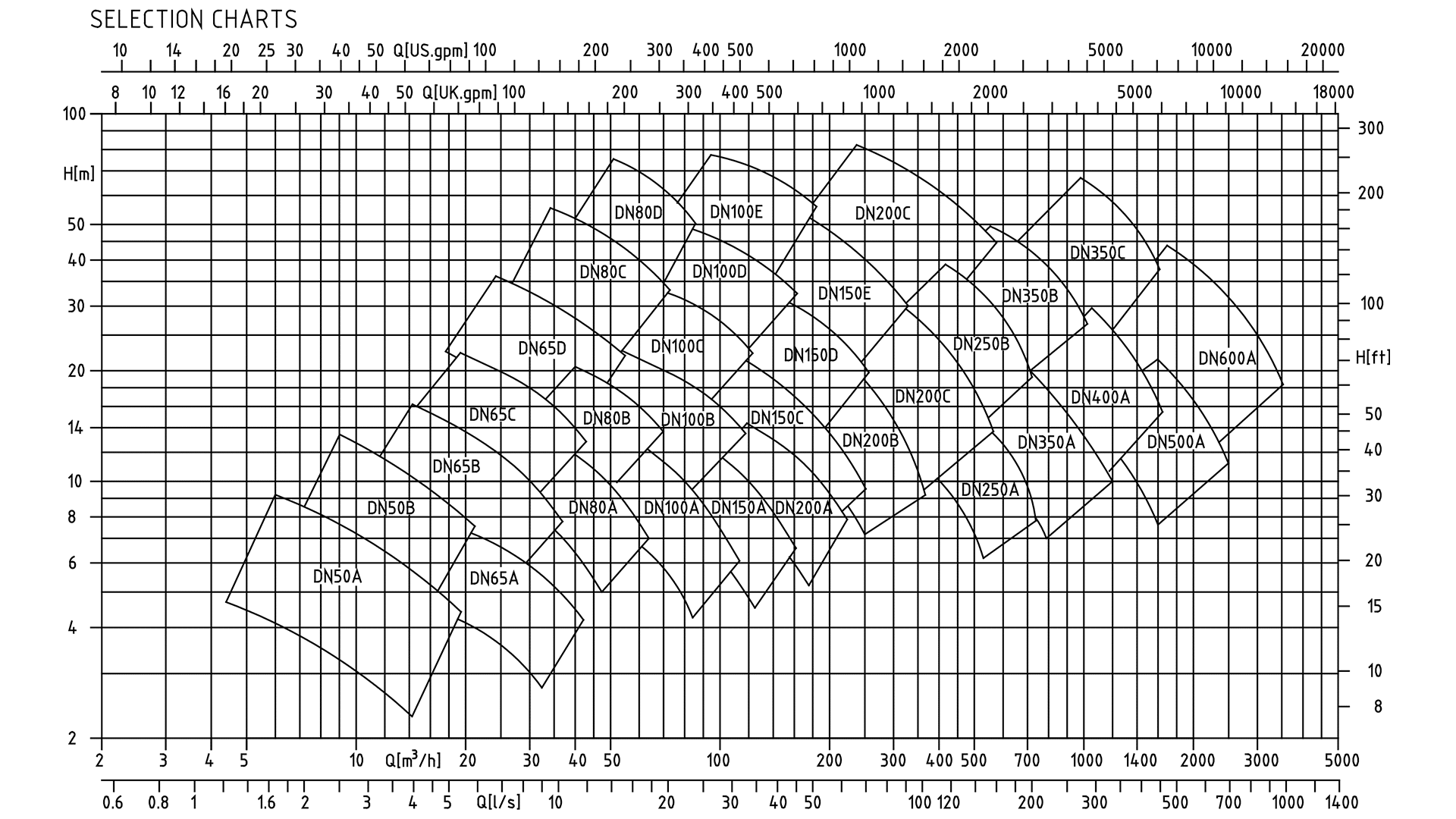
The correct selection of beverage pumps relies on a comprehensive understanding of operating conditions. The following table lists the key operating condition information that needs to be clarified for the beverage industry scenario, providing a reference for pump selection:
รายการสภาพการใช้งาน | Description for Beverage Industry Scenarios | ความสำคัญต่อการเลือกปั๊ม |
|---|---|---|
ประเภทขนาดกลาง | Fruit juice (with/without pulp), carbonated drinks, syrup, edible oil, CIP cleaning solution (acidic/alkaline), pure water, beverage processing wastewater | Determines the hygiene level and material corrosion resistance requirements of the pump |
เนื้อหาที่มั่นคง (%) | To be confirmed (e.g., 15-25% for pulp-containing fruit juice, 0% for pure water and syrup) | Affects the anti-clogging design of the pump, such as impeller structure and flow channel size |
ขนาดอนุภาคสูงสุด (มิลลิเมตร) | To be confirmed (e.g., 1-5mm for fruit pulp particles, 0 for clear beverages) | Determines the minimum passing size of the pump flow channel to avoid impeller blockage |
อุณหภูมิ (℃) | To be confirmed (0-10℃ for refrigerated beverages, 20-60℃ for normal processing, 80-120℃ for sterilization auxiliary systems) | Affects the selection of pump seals and materials, requiring high-temperature resistance for high-temperature scenarios |
ค่าพีเอช | To be confirmed (2.5-4.5 for acidic fruit juice, 6.5-8.5 for neutral syrup, 10-12 for alkaline CIP solution) | Determines the corrosion resistance level of pump materials, such as 316L stainless steel for acidic media |
การกัดกร่อน | To be confirmed (related to acidic juice components, alkaline cleaning agents, or high-sugar media) | Ensures that pump materials do not corrode or precipitate harmful substances |
โหมดการทำงาน | Continuous operation (24h/365 for large-scale beverage production lines) or intermittent operation (small-batch production) | Affects the fatigue resistance and service life design of the pump |
วิธีการติดตั้ง | Dry type / Submersible type / Vertical type / Horizontal type (determined by workshop space and process layout) | Determines the structural type and installation dimensions of the pump |
Common Pump Types in the Beverage Industry and Their Advantages

Different beverage production processes have different requirements for pumps. The following are the most commonly used pump types in the beverage industry, along with their core advantages and application scenarios:
ประเภทปั๊ม | ข้อได้เปรียบหลัก | สถานการณ์การใช้งานทั่วไป |
|---|---|---|
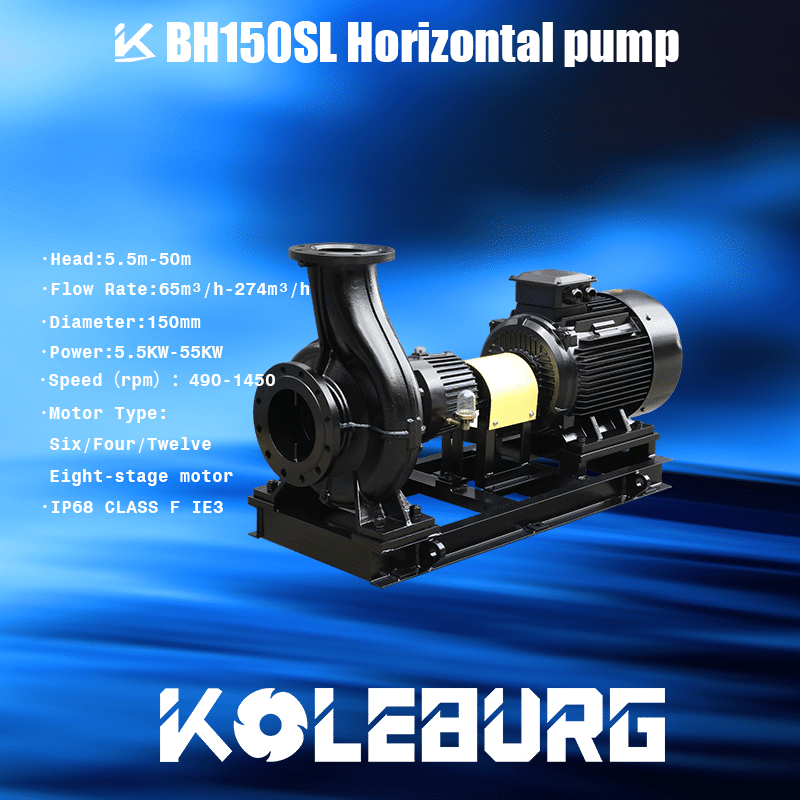
Stable flow output, high operational efficiency (75-85%), simple structure, easy maintenance, and low noise | Transportation of neutral beverages such as pure water, syrup, and edible oil | |
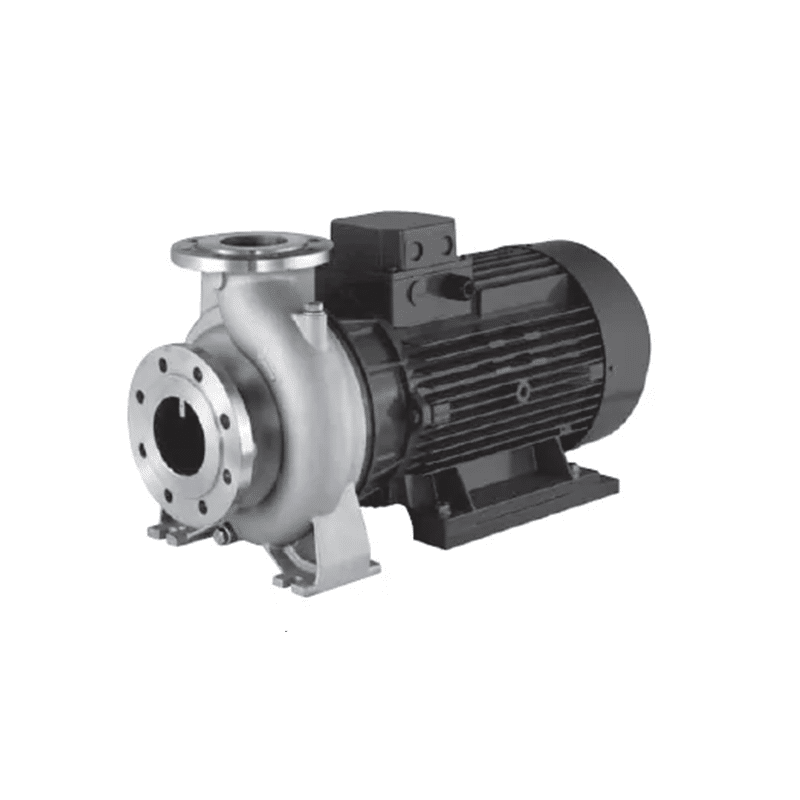
Complies with FDA and 3-A sanitary standards, smooth inner cavity without dead corners, low shear force, and quick disassembly design for easy cleaning | Transportation of heat-sensitive and direct-edible beverages such as fruit juice, dairy drinks, and carbonated drinks | |
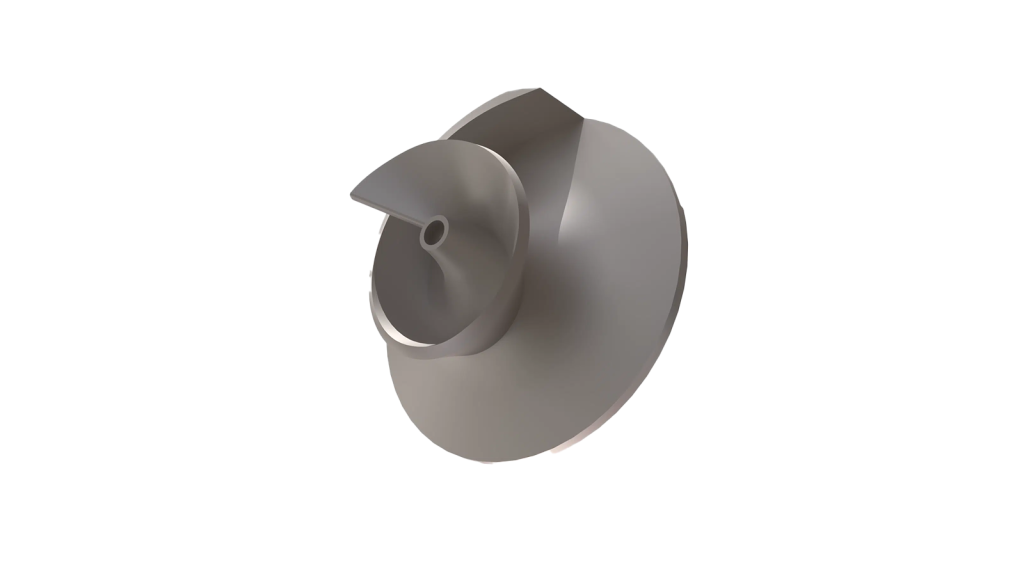
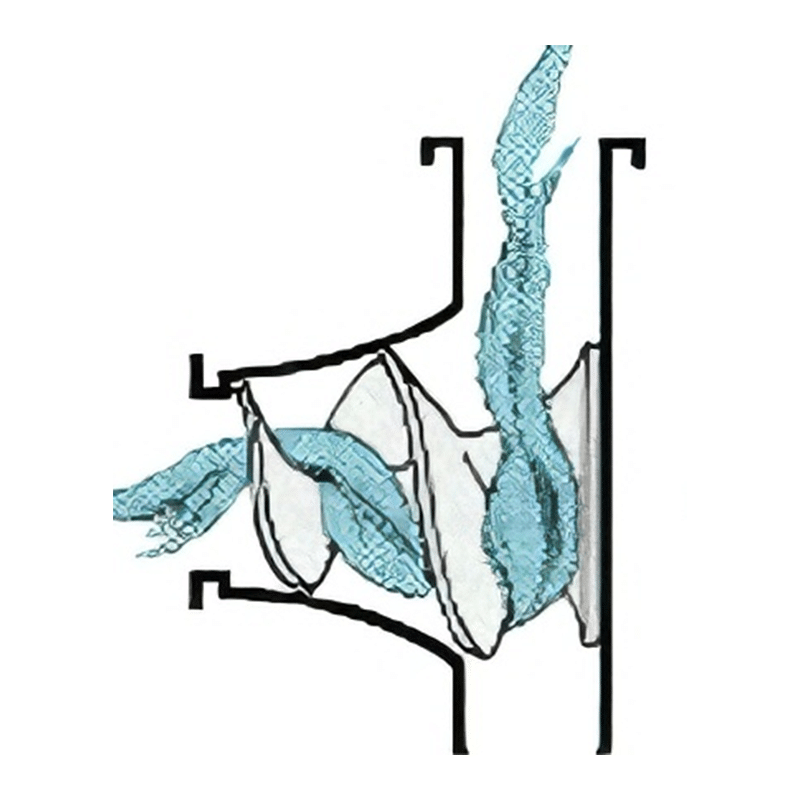
Excellent anti-clogging and anti-winding performance, can transport media with high solid content (up to 30%), and gentle transportation without damaging solid particles | Transportation of pulp-containing fruit juice, fruit residue, and other media with solid particles | |
Compact structure, small footprint, can be directly installed in the pipeline, low energy consumption, and stable operation | Circulation of pure water, transportation of CIP cleaning solution, and auxiliary water supply in beverage production lines | |
Large flow capacity (up to 1000m³/h), high efficiency, balanced axial force, and long service life | Centralized water supply and wastewater treatment systems in large-scale beverage factories |
Composition and Material Selection of Beverage Pumps
The material selection of beverage pumps is crucial to ensuring beverage safety and pump reliability. All parts in contact with beverages must comply with food-grade standards. The following table lists the recommended materials for key components of beverage pumps:
ชิ้นส่วนปั๊ม | วัสดุที่แนะนำ | Selection Notes (Beverage Industry Focus) |
|---|---|---|
เหล็กกล้าไร้สนิม 304/316L, food-grade cast iron (HT200/QT) | 316L stainless steel is preferred for acidic beverages and CIP cleaning solutions due to its excellent corrosion resistance; 304 stainless steel is suitable for neutral media; all materials must meet FDA food contact standards | |
316L stainless steel, ดูเพล็กซ์ 2205, food-grade high-chromium alloy | 316L stainless steel is used for direct contact with beverages to ensure hygiene; high-chromium alloy is selected for media with high solid content to enhance wear resistance; Duplex 2205 is suitable for harsh corrosive environments | |
316L stainless steel, 42CrMo alloy steel (with food-grade coating) | 316L stainless steel is used for direct contact with beverages; 42CrMo alloy steel with food-grade coating is selected for high-strength requirements in continuous operation to ensure structural stability | |
Food-grade silicon carbide-silicon carbide (SiC-SiC), PTFE-coated seal ring | Non-toxic, odorless, high-temperature resistant, and corrosion resistant; effectively prevents beverage contamination caused by medium leakage; suitable for various beverage media and temperature ranges | |
Food-grade nitrile rubber (NBR), fluorine rubber (FKM) | NBR is suitable for oil-containing media such as edible oil; FKM is used for acidic/alkaline CIP cleaning solutions due to its excellent corrosion resistance; all comply with FDA 21 CFR Part 177 |
Maintenance and Hygiene Management of Beverage Pumps

Scientific maintenance and strict hygiene management are essential to ensure the long-term stable operation of beverage pumps and the safety of beverage products. The following are targeted strategies for the beverage industry:
1. Daily Inspection and Monitoring
- Real-time monitoring of key parameters such as pump flow rate, head, motor current, and medium temperature to ensure they are within the normal range
- Check for medium leakage at pump seals, flanges, and other positions. If leakage is found, stop the machine immediately for maintenance to avoid cross-contamination
- Inspect the cleanliness of the pump surface and the integrity of hygiene components (such as seals, gaskets) to ensure no dirt accumulation
2. ตารางการบำรุงรักษาเป็นประจำ
วงจรการบำรุงรักษา | งานบำรุงรักษาที่สำคัญ | ข้อกำหนดด้านคุณภาพ |
|---|---|---|
รายวัน | Flush the pump with clean water after shutdown; clean the pump surface; check the lubricating oil level of the motor | No residual beverage in the pump; no oil stains or dirt on the surface; normal lubricating oil level |
รายสัปดาห์ | Clean the inlet filter screen; inspect the wear of seals and gaskets; test the flexibility of impeller rotation | No blockage in the filter screen; no damage or aging of seals; smooth impeller rotation without jamming |
รายเดือน | Disassemble and clean the pump body, impeller, and flow channel; inspect for corrosion and wear of components; re-tighten connecting bolts | No scale or residue in the pump; no obvious corrosion or wear of components; firm and reliable connections |
รายไตรมาส | Test pump performance (flow rate, head, efficiency); calibrate monitoring instruments; conduct bacterial detection on pump contact surfaces | Performance degradation ≤5% compared with new pumps; accurate instrument calibration; bacterial count ≤10 CFU/mL |
รายปี | Replace worn components (impeller, seals, bearings); conduct a comprehensive performance test; update the maintenance record | Pump performance meets the original design requirements; all components are in good condition; complete and detailed maintenance records |
3. Common Fault Handling for Beverage Pumps
- การอุดตันของใบพัด: Immediately stop the pump, disassemble the pump body, and clean the impeller and flow channel; check the inlet filter screen and replace it if damaged; optimize the pre-treatment process of the medium to reduce solid particle content
- การรั่วไหลระดับปานกลาง: Replace worn seals or gaskets with food-grade certified products; clean the leakage area thoroughly with food-grade disinfectant to avoid cross-contamination; check the flatness of the sealing surface and repair if necessary
- Reduced Pump Efficiency: Inspect for impeller wear, volute scaling, or pipeline blockage; clean or replace worn components; adjust the pump speed through frequency conversion to match the actual demand
- Bacterial Contamination Risk: Increase the frequency of disassembly and cleaning; use food-grade disinfectants (such as peracetic acid) for thorough disinfection; conduct bacterial testing after cleaning to ensure compliance with hygiene standards
Engineering Case Study: Application of Pumps in a 3000t/d Fruit Juice Beverage Factory

Taking a 3000t/d fruit juice beverage factory in Southeast Asia as an example, this paper analyzes the pump selection, application effect, and hygiene management experience, providing practical reference for similar projects. The factory adopts the production process of “fruit sorting – cleaning – pressing – clarification – sterilization – filling”, with key media including pulp-containing fruit juice, concentrated juice, CIP cleaning solution, and processing wastewater.
ภูมิหลังของโครงการและเงื่อนไขการดำเนินงาน
- Production Capacity: 3000t/d fresh fruit processing, 1500t/d fruit juice beverage output
- Key Media Characteristics: Pulp-containing fruit juice (solid content 20-25%, maximum particle size 4mm, pH 3.0-4.0, temperature 30-40℃); concentrated juice (solid content 65-70%, pH 3.5-4.5, temperature 50-60℃); CIP cleaning solution (alkaline, pH 11-12, temperature 70-80℃)
- Operation Requirements: 24h/365 continuous operation; pump operational rate ≥98.5%; hygiene compliance with FDA 21 CFR Part 177 and 3-A standards; energy consumption ≤0.95 kWh/m³
การเลือกและกำหนดค่าปั๊ม
กระบวนการเชื่อมโยง | ประเภทปั๊มที่เลือก | พารามิเตอร์การกำหนดค่าและวัสดุ |
|---|---|---|
Pulp-containing Fruit Juice Transport | ปั๊มแรงเหวี่ยงแบบเกลียวคู่ | 4 units, flow rate 150m³/h, head 25m; pump body/impeller: 316L stainless steel; mechanical seal: food-grade SiC-SiC |
Concentrated Juice Circulation | ปั๊มแรงเหวี่ยงสุขาภิบาล | 3 units, flow rate 100m³/h, head 22m; material: 316L stainless steel; compliance: 3-A, FDA; quick-dismantle design |
CIP Cleaning Solution Transport | ปั๊มท่อส่ง | 2 units, flow rate 180m³/h, head 32m; material: 316L stainless steel; seal: fluorine rubber (FKM) |
Factory Centralized Water Supply | ปั๊มดูดสองทาง | 2 units, flow rate 500m³/h, head 38m; material: 304 stainless steel; efficiency: 83% |
ผลการประยุกต์ใช้และการวิเคราะห์ข้อมูล
ดัชนีการประเมิน | เป้าหมายการออกแบบ | ผลการดำเนินงานจริง (ข้อมูล 1 ปี) |
|---|---|---|
อัตราการทำงานของปั๊ม | ≥98.5% | 99.2% |
การใช้พลังงานเฉลี่ย | ≤0.95 kWh/m³ | 0.88 kWh/m³ |
ความถี่ของข้อบกพร่อง | ≤1 ครั้ง/ไตรมาส | 1 ครั้ง/6 เดือน |
อัตราการปฏิบัติตามสุขอนามัย | 100% | 100% (ไม่มีเหตุการณ์การปนเปื้อนของแบคทีเรีย) |
อายุการใช้งานเฉลี่ยของปั๊มหลัก | ≥36 เดือน | 40 months |
Key Experience Summary
- Targeted pump selection based on medium characteristics: For pulp-containing media, double spiral centrifugal pumps with excellent anti-clogging performance are preferred; for direct-edible beverages, sanitary centrifugal pumps complying with 3-A standards are selected
- Strict control of material selection: All parts in contact with beverages use 316L stainless steel to ensure corrosion resistance and hygiene safety
- Establishment of a sound hygiene management system: Regular disassembly and cleaning combined with bacterial testing effectively prevent food safety risks
- Equipping variable frequency drives (VFD) for key pumps: Reduces energy consumption by 10-15% and avoids excessive shear force damaging beverage ingredients