












What is a Bearing
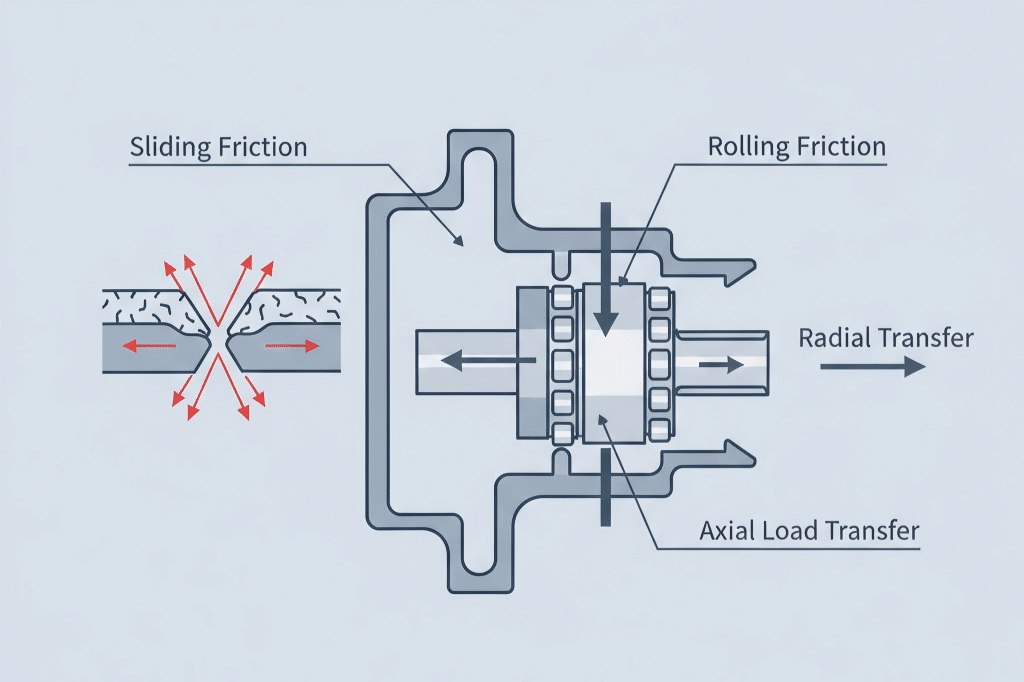
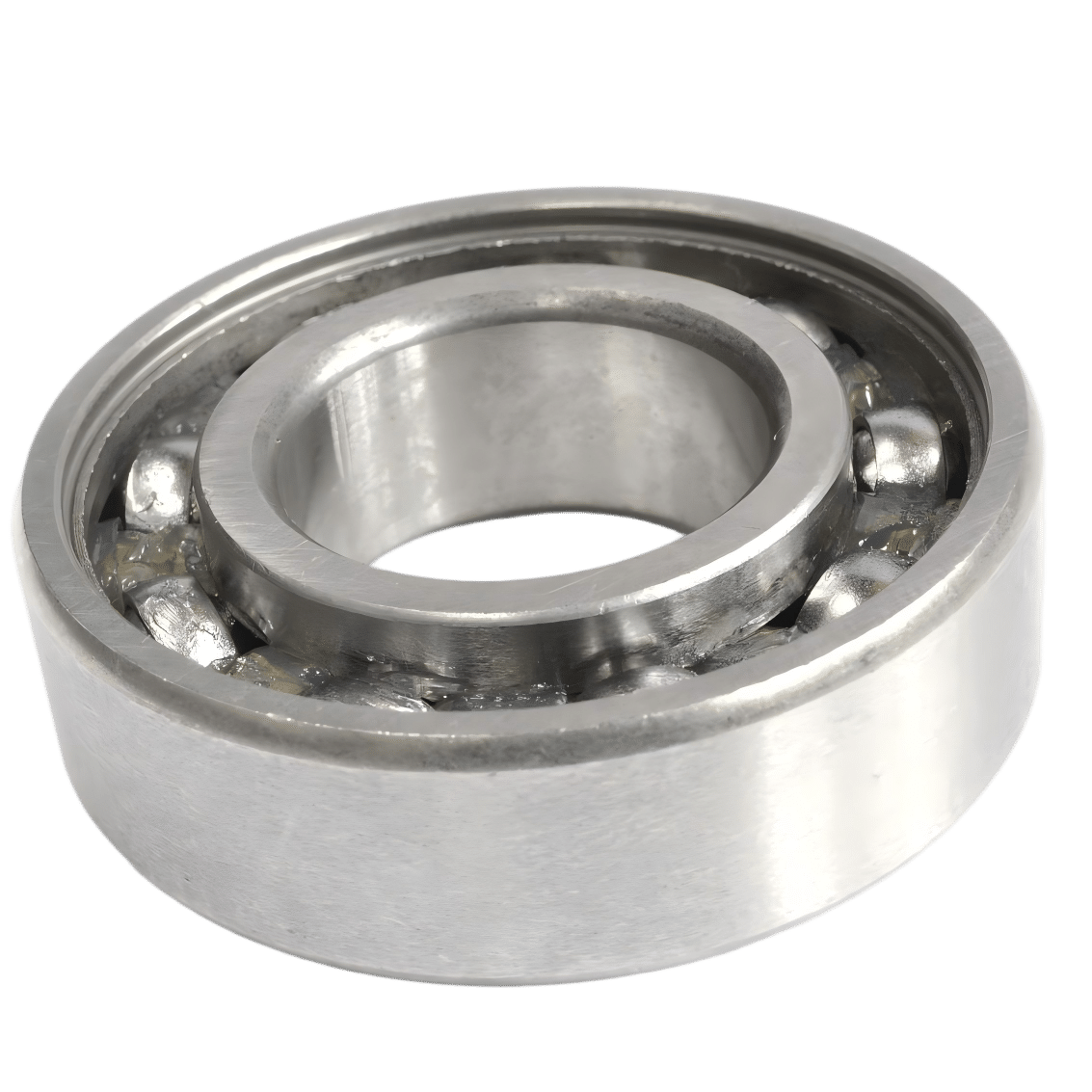
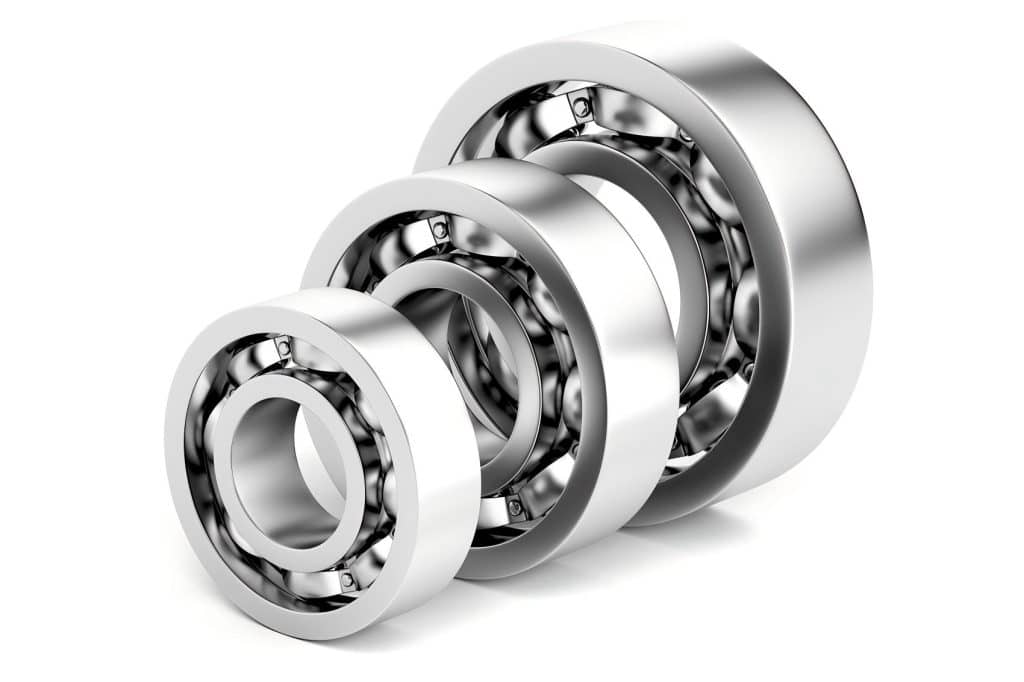
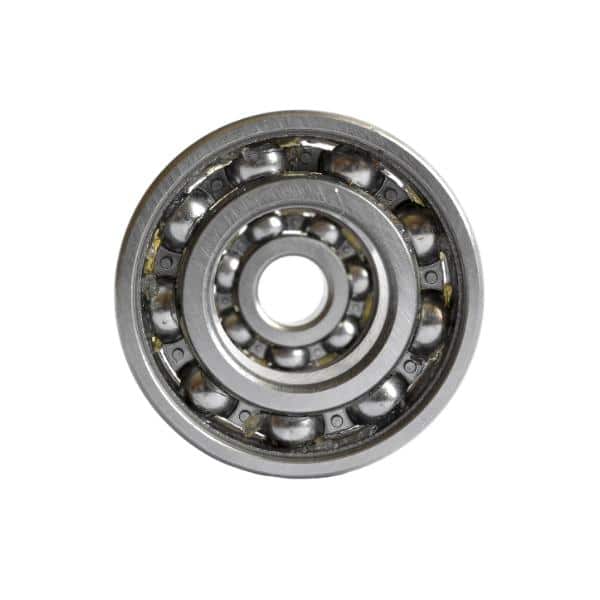
A bearing is a mechanical component designed to support rotating shafts, reduce friction between moving parts, and transfer loads (radial and axial) during operation. In pump systems, bearings are critical to maintaining the coaxiality of the pump shaft and impeller, ensuring smooth rotation under high-speed, high-pressure, or corrosive conditions. The core working principle is to convert sliding friction between the shaft and its support into rolling friction (for rolling bearings) or minimize sliding friction (for sliding bearings) through specialized structural design and material matching, thereby reducing energy consumption and wear.
Bearings for pumps are required to have high rigidity, wear resistance, and corrosion resistance, and their performance directly affects the pump’s service life, vibration level, and operational efficiency. Common bearing types in pump applications include rolling bearings (ball bearings, roller bearings) and sliding bearings (rubber bearings, metal sliding bearings), each with unique characteristics adapted to different working conditions.
Core Types of Bearings for Pump Applications
The selection of bearing types is closely related to the pump’s structure, operating parameters, and conveyed medium. The following table summarizes the common bearing types for pumps, their structural characteristics, and applicable scenarios:
Bearing Type | ลักษณะโครงสร้าง | สถานการณ์การใช้งานปั๊มที่เหมาะสม |
|---|---|---|
Deep Groove Ball Bearings | Simple structure, high limit speed, can bear both radial and small axial loads; sealed types (2RS) available for dust and moisture protection | Small and medium-sized centrifugal pumps, clean water pumps, and general industrial pumps with operating speed ≤3000 r/min |
Angular Contact Ball Bearings | Can bear combined radial and axial loads; often installed back-to-back for high rigidity; suitable for high-speed operation | Horizontal centrifugal pumps (e.g., OH1 type), high-pressure feed pumps, and pumps requiring axial load balancing |
Cylindrical Roller Bearings | High radial load-bearing capacity, good rigidity, suitable for high-speed operation; separable structure for easy maintenance | Large centrifugal pumps, multistage pumps (e.g., BB5 type), and pumps conveying high-viscosity media |
Rubber Sliding Bearings | Water-lubricated, low friction coefficient, good shock absorption and noise reduction; no risk of oil pollution | Vertical axial flow pumps, mixed flow pumps, circulating water pumps in power plants, and seawater pumps |
Thrust Ball Bearings | Specialized in bearing axial loads; often combined with radial bearings for pump shaft support | Centrifugal pumps with large axial thrust (e.g., single-stage pumps with unbalanced impellers), oilfield injection pumps |
Material Selection for Pump Bearings
Bearing material selection is a key factor affecting service life, especially in pump systems conveying corrosive, abrasive, or high-temperature media. The selection must match the medium’s properties, operating temperature, and load conditions. The following table lists common bearing materials, their performance characteristics, and applicable media:
ประเภทของวัสดุ | ลักษณะการทำงาน | ของเหลวและสภาวะที่เหมาะสมสำหรับปั๊ม |
|---|---|---|
52100 Chromium Steel | High hardness (≥60HRC), excellent wear resistance, high load-bearing capacity; moderate corrosion resistance | Clean water, light oil, and general industrial media; normal temperature (≤120℃) and pressure conditions |
สแตนเลสสตีล 316L | Strong corrosion resistance to acids, alkalis, and saltwater; good toughness; hardness ≥50HRC | Chemical pumps conveying corrosive media (dilute sulfuric acid, saltwater), seawater pumps, wastewater treatment pumps |
Duplex Stainless Steel (2205/2507) | High strength, excellent corrosion resistance (especially to chlorine-containing media), wear-resistant | Petrochemical pumps, desulfurization pumps, and pumps conveying strong corrosive media |
Special Rubber (EPDM/NBR) | Low friction coefficient, good elasticity, shock absorption; water-lubricated, pollution-free | Water-lubricated pumps, circulating water pumps, and pumps requiring no oil pollution (e.g., food industry pumps) |
Ceramic (Si3N4/ZrO2) | Extreme corrosion resistance, high temperature resistance (≤400℃), low friction; lightweight | Pumps conveying strong acids, alkalis, or abrasive media (e.g., slurry pumps, chemical reaction pumps) |
In addition to the main materials of the inner/outer rings and rolling elements, the retainer material also affects performance. For pump bearings, 300-series stainless steel retainers are commonly used for high load-bearing and rust resistance, while polymer retainers (e.g., PTFE) are suitable for high-temperature and low-friction requirements.
Key Performance Parameters of Pump Bearings

Bearing performance parameters directly determine their adaptability to pump operating conditions. Rational parameter matching is essential to avoid premature failure. The following table lists the core performance parameters of pump bearings and their standard ranges for industrial applications:
พารามิเตอร์ประสิทธิภาพ | ช่วงมาตรฐานสำหรับปั๊ม | ผลกระทบต่อการทำงานของปั๊ม |
|---|---|---|
Radial Clearance | C0 (standard): 0.010-0.025mm; C3 (increased): 0.025-0.040mm | Excessive clearance increases vibration and noise; insufficient clearance causes overheating under high temperature |
จำกัดความเร็ว | Deep groove ball bearings: ≤15000 r/min; Cylindrical roller bearings: ≤8000 r/min | Exceeding the limit speed leads to rapid temperature rise, lubricant failure, and bearing burnout |
Dynamic Radial Load Capacity | Small bearings (φ20mm): ≥5kN; Large bearings (φ100mm): ≥50kN | Insufficient load capacity causes premature fatigue and wear, affecting pump service life |
ช่วงอุณหภูมิการทำงาน | Steel bearings: -20℃ to 150℃; Ceramic bearings: -50℃ to 400℃ | Exceeding the temperature range degrades material performance and lubricant effectiveness |
Dimensional Tolerance | Inner diameter: -0.008 to 0mm; Outer diameter: -0.011 to 0mm | Poor tolerance accuracy causes misalignment between the bearing and shaft, increasing vibration and wear |
Application of Bearings in Different Types of Pumps
Bearings are customized for different pump structures and application scenarios to ensure optimal performance. The following focuses on the application characteristics of bearings in typical pump types:
การใช้งานในปั๊มหอยโข่งแนวนอน
Horizontal centrifugal pumps (e.g., OH1, OH2 types) are widely used in industrial production, and their bearing systems are typically composed of radial and axial load-bearing components. For example, OH1 type centrifugal pumps adopt a combination of cylindrical roller bearings (bearing radial loads) and back-to-back angular contact ball bearings (bearing residual axial loads), which effectively balances the axial thrust generated by the impeller.
In petrochemical centrifugal pumps (e.g., KZA type), the bearing housing is equipped with a single-row radial cylindrical roller bearing and a set of back-to-back thrust ball bearings to adapt to high-pressure and high-speed operating conditions. The bearings are lubricated with grease or thin oil; for high-temperature media (≥120℃), thin oil lubrication with a cooling system is preferred to ensure stable operation.horizontal centrifugal pump bearing solutions
Application in Vertical Pumps
Vertical pumps (e.g., VS1, VS6 types) such as long-axis pumps and submersible pumps have unique bearing configurations due to their vertical shaft layout. VS1 type long-axis pumps adopt a double rolling bearing structure in the bearing component, ensuring stable operation of the pump shaft. The liquid-lower part uses multi-point supported wear-resistant sliding bearings to reduce shaft deflection.
Vertical axial flow pumps and mixed flow pumps often use water-lubricated rubber bearings, which have the advantages of low friction, shock absorption, and no oil pollution. The rubber bearing surface is designed with grooves to facilitate the discharge of impurities (e.g., sand) and ensure the formation of a water film, which is suitable for circulating water pumps in power plants and seawater pumps.
Application in Special Pumps (Slurry Pumps, Chemical Pumps)
Slurry pumps conveying abrasive media require bearings with high wear resistance. Ceramic bearings or 440C martensitic stainless steel bearings are often selected, and the bearing chamber is equipped with a sealing and flushing system to prevent slurry invasion. Chemical pumps conveying corrosive media use 316L or duplex stainless steel bearings, and the auxiliary sealing components (e.g., O-rings) are made of fluororubber to ensure corrosion resistance.
For high-pressure pumps such as hydrogenation feed pumps and boiler feed pumps, high-precision cylindrical roller bearings and angular contact ball bearings are used, which meet the API 610 standard requirements, ensuring continuous operation for more than 25,000 hours under high-speed (≤6000 r/min) and high-pressure (≥10 MPa) conditions. high pressure pump bearing selection
How to Optimize Bearing Application in Pumps?

To maximize bearing service life and pump operational efficiency, the following optimization measures should be taken:
- Match bearing type with working conditions: Select rolling bearings for high-speed, low-load conditions; select sliding bearings for low-speed, high-load, or water-lubricated scenarios.
- Optimize lubrication system: Use grease lubrication for low-speed (≤3000 r/min) and clean conditions; use thin oil lubrication with a cooler for high-speed and high-temperature conditions. Regularly replace lubricants to avoid degradation.
- Enhance sealing protection: Install double seals (e.g., 2RS) for dusty or humid environments; use mechanical seals with flushing systems for corrosive or abrasive media to prevent bearing contamination.
- Control installation accuracy: Ensure the coaxiality of the pump shaft and bearing is ≤0.05mm; avoid over-tightening during installation to prevent excessive internal stress.
Common Bearing Failures in Pumps and Solutions
Bearing failures are one of the main causes of pump downtime. Most failures are related to material mismatch, improper lubrication, installation errors, or insufficient maintenance. The following table summarizes common bearing failures, root causes, and solutions:
ความล้มเหลวที่พบบ่อย | Root Causes | โซลูชัน |
|---|---|---|
Bearing Overheating | Insufficient lubrication, excessive radial clearance, misalignment, or overload operation | Supplement or replace lubricants; adjust radial clearance; re-calibrate coaxiality; reduce load to within the rated range |
Abrasive Wear | Impurities (sand, slurry) invade the bearing; poor sealing performance | Improve sealing (install dust covers or mechanical seals); add a flushing system; clean the bearing chamber regularly |
Corrosion Damage | Media leakage or humid environment; improper material selection | Replace with corrosion-resistant materials (316L, ceramic); enhance shaft sealing; apply anti-corrosion coating to the bearing housing |
Fatigue Spalling | Exceeding rated load; insufficient lubrication; long-term high-speed operation | Select bearings with higher load capacity; optimize lubrication; reduce operating speed to within the limit range |
Abnormal Vibration & Noise | Misalignment, uneven bearing wear, or damaged rolling elements | Re-calibrate installation accuracy; replace worn bearings; check and replace damaged rolling elements |