

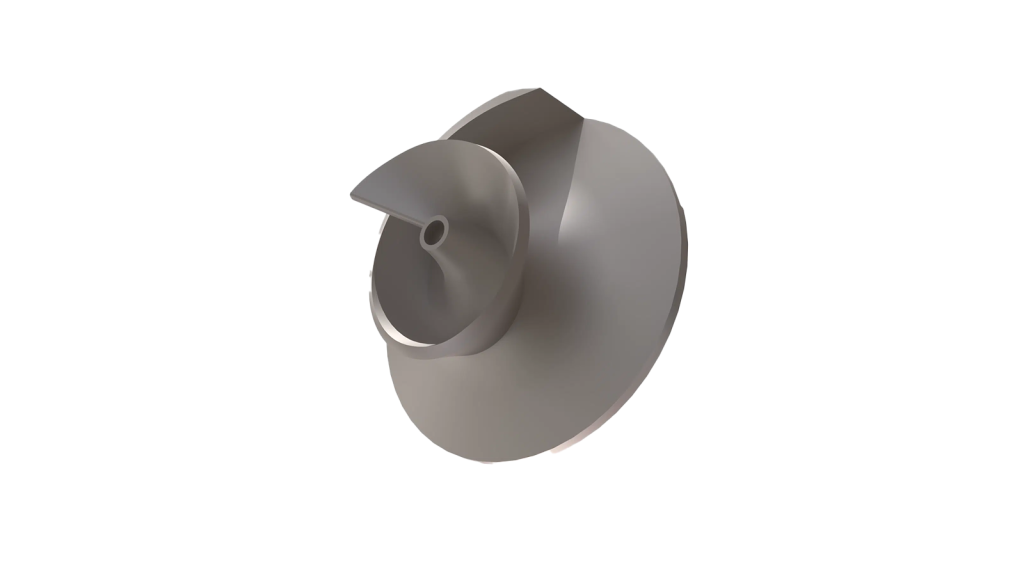










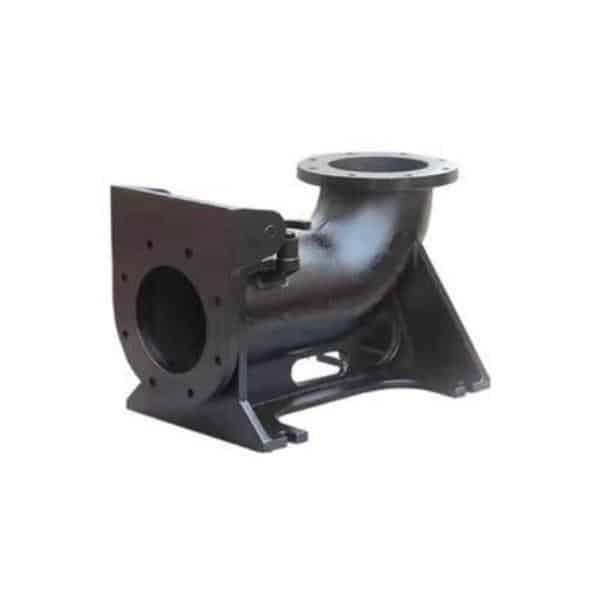
Koleburg Pump body
Discover the reliability of Koleburg Pump Body—engineered to power your centrifugal pumps with unmatched durability and precision for long-term industrial success.
- Crafted from premium hierro fundido and corrosion-resistant Material 316/316L.
- Enhanced via professional Tratamiento térmico como Templado for superior hardness.
- Precision-machined with advanced Tecnología de bombas.
- Optimized for seamless integration with centrifugal pump assemblies.
- Rigorously tested for high-pressure and harsh Working conditions resilience.
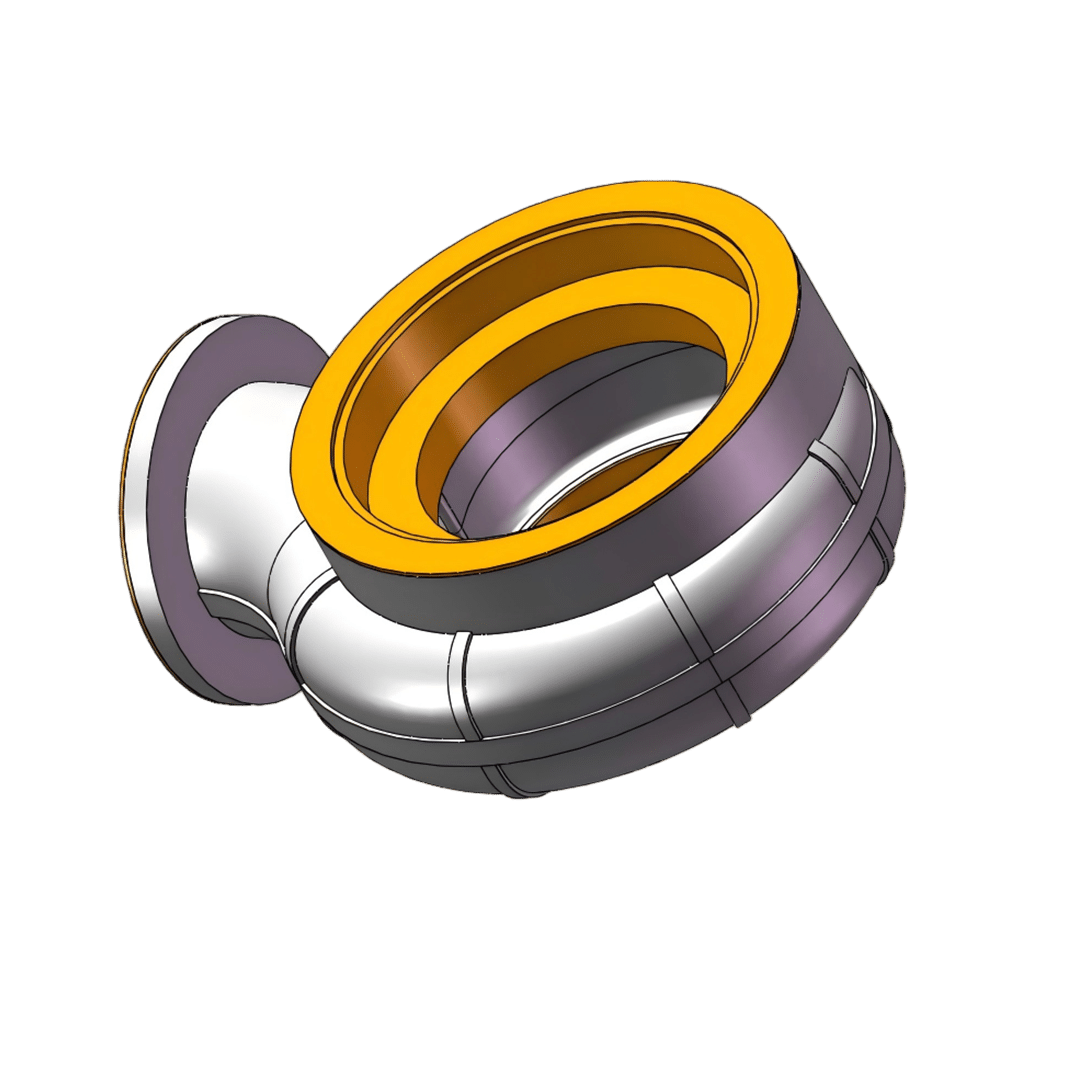
Koleburg Pump Body - Durable, Precision-Machined Centrifugal Pump Core Component
Diseñado para ofrecer un rendimiento constante en los entornos industriales más exigentes.
Koleburg Pump Body + Technical Advantages
Our Koleburg Pump Body leverages cutting-edge Tecnología de bombas and high-grade materials like Dúplex 2205 to ensure optimal flow efficiency and structural integrity. Its precision engineering guarantees perfect compatibility with other Piezas centrífugas de la bomba como mechanical seal y Rodamiento, minimizing downtime and maximizing productivity.
Why Choose Our Koleburg Pump Body
Choosing Koleburg Pump Body means investing in a component backed by decades of manufacturing expertise. Our pump bodies meet global industrial standards, offering exceptional resistance to wear, corrosion, and extreme temperatures. Supported by responsive technical support and timely delivery, we ensure your centrifugal pumps operate at peak performance—whether for planta de tratamiento de aguas residuales o planta química use.
Other Applications of Koleburg Pump Body
Koleburg Pump Body excels in diverse sectors beyond standard industrial use. It is a trusted component in Industria de protección ambiental for sludge treatment and sewage recycling, Energía Eléctrica facilities like Central eléctrica de carbón, y Industrial Production including food processing and beverage industry. Its versatility makes it ideal for special projects such as ingeniería de túneles y industria minera.

Posibilidades de personalización
- Material Customization: Choose from Aleación de titanio, Material 304/304l, or ZG/20Cr13 to match specific media and operating conditions.
- Dimensional Tailoring: Precision-adjusted to fit your centrifugal pump models, including custom bore sizes and flange configurations.
- Performance Optimization: Custom heat treatment processes like Recocido de solución for enhanced fatigue and corrosion resistance.
- Application-Specific Design: Engineered for unique scenarios such as high-temperature incineradora use or abrasive sistema de espesamiento de lodos operaciones.

Recomendaciones de instalación y mantenimiento
Asistencia al usuario
Ofrecer diferentes soluciones de apoyo para fabricante de equipos originales y KOLEBURG marcas, respectivamente.
Quiero marcas KOLEBURG
Tecnología profesional. Unidad, excelencia, influencia. Servicio excelente.
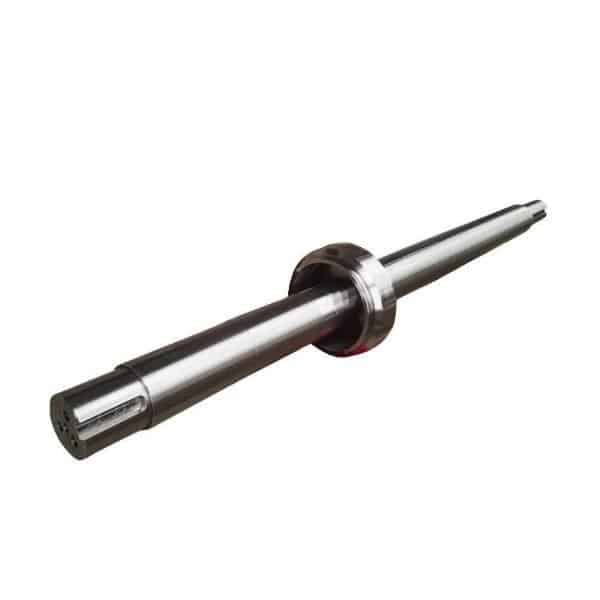
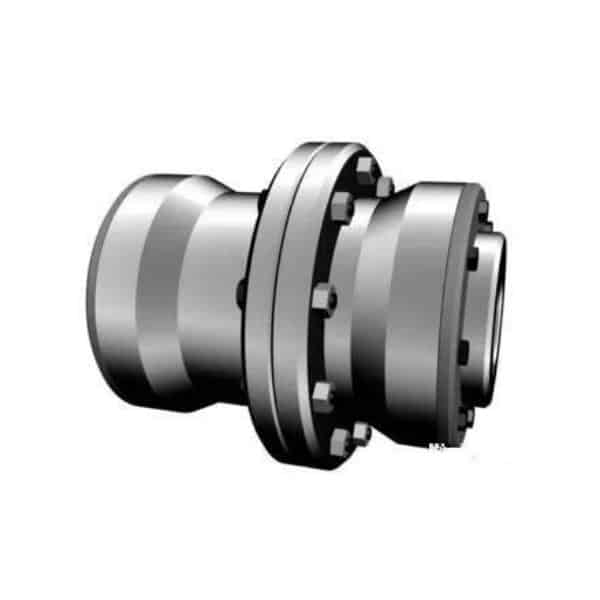
Otros accesorios de Koleburg
El suministro confiable de piezas garantiza un funcionamiento y un mantenimiento sin preocupaciones a largo plazo para su sistema de bombeo.
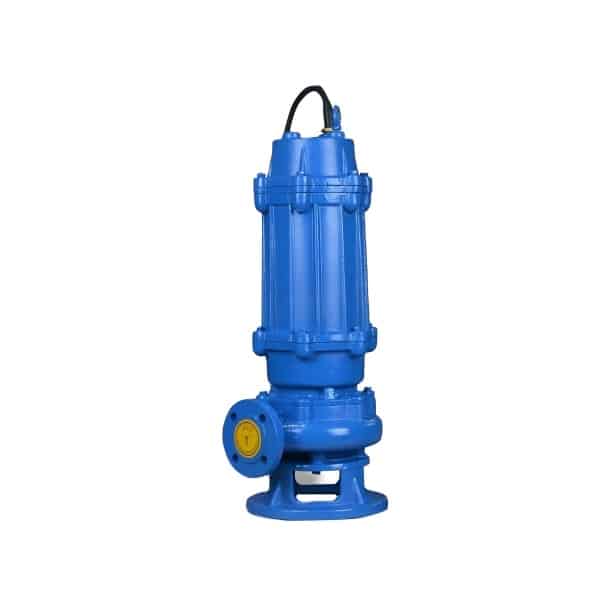
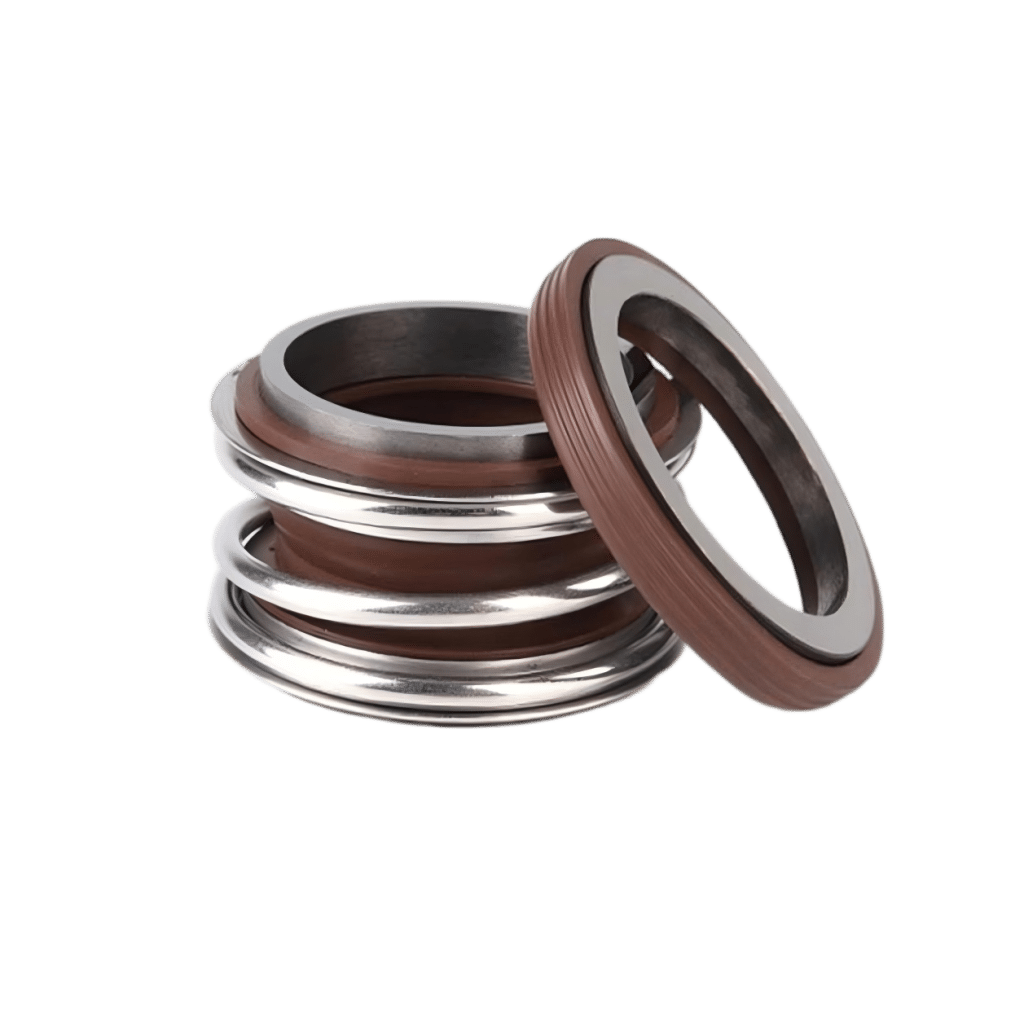
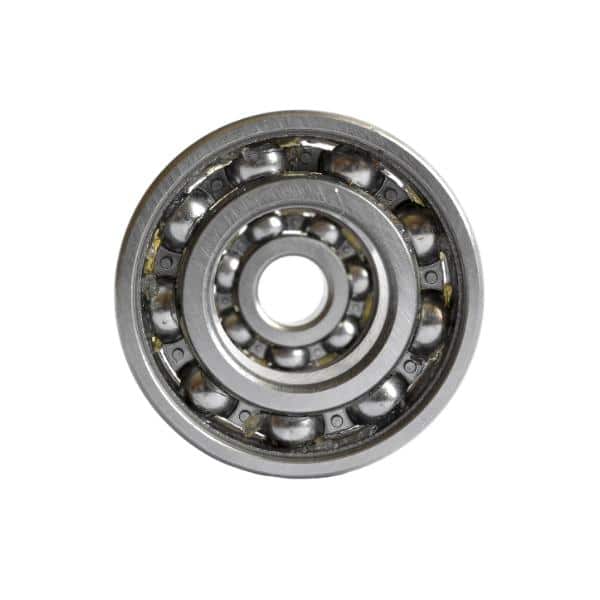
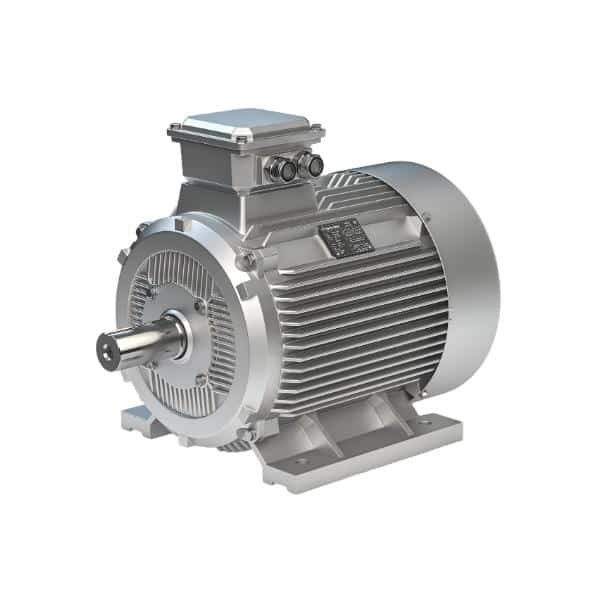
Koleburg Pump body FAQS
What Is a Sewage Treatment Pump?

Core Characteristics of Sewage Treatment Pump Bodies

| Characteristic | Especificaciones | Industry Rationale |
|---|---|---|
| Solid Handling Capacity | Up to 50mm particle diameter | Prevents clogging in sludge-laden wastewater |
| Resistencia a la corrosión | pH 2–12 tolerance | Withstands acidic/alkaline conditions in treatment processes |
| Operating Pressure | 0.6–2.5 MPa | Meets hydraulic demands of wastewater transfer |
| Leakage Prevention | Integrates sello mecánico systems | Avoids environmental contamination from wastewater spills |
How Sewage Treatment Pumps Differ from Standard Industrial Pumps

| Característica | Sewage Treatment Pump Body | Standard Industrial Pump Body |
|---|---|---|
| Primary Material | Material 316/316L, Dúplex 2205 | Hierro fundido, carbon steel |
| Design Priority | Anti-clogging, corrosion resistance | Flow efficiency, pressure stability |
| Rango de temperatura de funcionamiento | -10°C to 120°C | -20°C to 80°C |
| Intervalo de mantenimiento | 6–12 months | 3–6 months (in harsh conditions) |
Key Materials for Pump Bodies: How Do They Impact Performance?

Premium Materials for Industrial Pump Bodies
| Material | Maximum Operating Temperature | Resistencia a la corrosión | Top Applications |
|---|---|---|---|
| Hierro fundido | 200 °C | Moderate (freshwater, oil) | General industrial pumps, agriculture |
| Material 304/304L | 870 °C | High (mild chemicals, potable water) | Food processing, beverage industry |
| Material 316/316L | 925°C | Excellent (acids, salts, sludge) | Sewage treatment, planta química |
| Dúplex 2205 | 315 °C | Superior (chlorides, abrasive media) | Offshore wastewater, industria minera |
| Aleación de titanio | 550°C | Exceptional (strong acids, seawater) | Nuclear power plants, high-purity applications |
Material Performance in Real-World Conditions
| Material | Average Service Life (Sewage Applications) | Annual Maintenance Cost (USD/Unit) |
|---|---|---|
| Hierro fundido | 2.5 years | $1,800 |
| Acero inoxidable 304 | 4 years | $1,200 |
| Acero inoxidable 316L | 7 years | $650 |
| Dúplex 2205 | 9 years | $400 |
Manufacturing Processes: How Precision Shapes Pump Body Quality

Core Manufacturing Steps for Pump Bodies
- Casting: Investment casting (lost wax) is used for complex geometries, achieving dimensional tolerance of ±0.05mm—critical for seamless integration with Piezas centrífugas de la bomba like bearings and impellers. Sand casting is utilized for simpler designs, balancing cost and performance.
- Tratamiento térmico: Processes like Tratamiento térmico, Templado, y Recocido de solución enhance material properties: quenching increases hardness by 30–40%, while solution annealing improves corrosion resistance in stainless steels.
- Machining: CNC milling and turning create smooth internal surfaces (Ra ≤0.8μm), reducing fluid friction and energy consumption by 8–12%.
- Quality Control: Hydrostatic testing at 1.5× maximum operating pressure and non-destructive testing (NDT) (e.g., ultrasonic inspection) ensure leak-proof performance and structural integrity.
Quality Control Standards for Pump Bodies
| Quality Check | Method | Acceptance Criterion |
|---|---|---|
| Dimensional Accuracy | Coordinate Measuring Machine (CMM) | ±0.1mm for critical surfaces |
| Pressure Integrity | Hydrostatic Testing | No leakage at 1.5× rated pressure |
| Material Purity | Spectrometric Analysis | Compliance with ASTM A480 (stainless steels) |
| Surface Finish | Profilometer | Ra ≤0.8μm (internal surfaces) |
Performance Metrics: What Drives Pump Body Efficiency?

Key Performance Parameters for Pump Bodies
| Parámetro | Definición | Industry Benchmark (Sewage Pumps) |
|---|---|---|
| Caudal | Volumen de fluido bombeado por hora | 5–500 m³/h (standard models) |
| Cabeza | Pressure generated to lift fluid | 10–150 meters |
| Eficiencia | Ratio of hydraulic output to motor input | ≥75% (API 610 compliant) |
Factors Influencing Pump Body Efficiency
- Hydraulic Design: Optimized volute geometry reduces flow separation, boosting efficiency by 10–15%. A well-designed volute converts kinetic energy to pressure with minimal losses.
- Material Smoothness: Polished internal surfaces (Ra ≤0.5μm) minimize friction, reducing energy consumption and wear.
- Dimensional Precision: Tight tolerances between the pump body and impeller (≤0.1mm) prevent internal leakage, a leading cause of efficiency loss.
Design Requirements for Sewage Treatment Pump Bodies
Anti-Clogging Design Features
- Wide-flow channels (minimum 50mm diameter) to accommodate solid particles and fibrous materials (e.g., hair, organic debris).
- Rounded internal edges to prevent debris accumulation and reduce flow resistance.
- Removable inspection covers for easy cleaning, minimizing downtime during maintenance.
Corrosion Resistance Enhancements
- Minimum corrosion allowance of 3mm (per API 610 Clause 6.3.7) to extend service life in acidic/alkaline wastewater.
- Optional epoxy or polyurethane coatings for additional protection in extreme environments (e.g., industrial wastewater with high chloride content).
- Welded joints with NDT verification to prevent crevice corrosion, a common failure point in uncoated pump bodies.
Structural Integrity for Continuous Operation
- Rigid construction to withstand vibration (maximum allowable deflection ≤50μm at the shaft seal).
- Reinforced flanges to handle pipeline loads (up to 2× allowable nozzle load per API 610).
- Temperature compensation features (e.g., expansion joints) to prevent thermal expansion-induced damage in high-temperature applications (e.g., wastewater from incinerators).
International Standards: Why Compliance Matters for Pump Bodies

Key Standards for Pump Body Manufacturing
| Standard | Scope | Core Requirements |
|---|---|---|
| API 610 (11th Edition) | Centrifugal pumps for petroleum, chemical, and industrial use | 20-year design life, 3mm minimum corrosion allowance |
| EN ISO 12100 | Mechanical safety of industrial pumps | Risk assessment for moving parts, pressure vessel integrity |
| GB/T 24674-2009 | Submersible sewage pumps (China) | Solid handling capacity, leakage prevention |
| EN ISO 9906 | Pump efficiency classification | Minimum efficiency levels for different pump sizes |
Benefits of Standard Compliance
- Market Access: Compliance with API and ISO standards enables global sales, as these are recognized benchmarks for quality.
- Reduced Liability: Compliant pump bodies minimize the risk of equipment failure and environmental damage, protecting both manufacturers and end-users.
- Customer Trust: Compliance signals a commitment to quality, a key differentiator in competitive industrial markets.
Customization Solutions for Industrial Pump Bodies
Personalización de materiales
- Options include Aleación de titanio for high-corrosion environments (e.g., nuclear power plants), ZG/20Cr13 for high-temperature applications (e.g., incinerators), and duplex stainless steels for abrasive media (e.g., mining slurry).
- Material selection is guided by a detailed analysis of the pumped fluid’s chemical composition, temperature, and abrasiveness.
Dimensional Tailoring
- Custom bore sizes (DN25–DN600) to match existing pipeline systems.
- Flange configurations (ANSI, DIN, GB) for seamless integration with existing infrastructure.
- Modified volute geometry to optimize performance for specific flow/head requirements (e.g., low-flow, high-head applications in water treatment).
Performance Optimization
- Custom Tratamiento térmico processes (e.g., tempering for increased toughness) to enhance material properties for unique operating conditions.
- Efficiency tuning to match the pump’s operating point with the system’s demand curve, reducing energy consumption.
- Noise reduction features (e.g., sound-dampening coatings) for applications in residential or noise-sensitive areas (e.g., municipal wastewater plants near neighborhoods).
Application-Specific Designs
| Industria | Custom Pump Body Features |
|---|---|
| Industria minera | Thick-walled bodies (10–15mm) to withstand abrasive slurry |
| Planta química | Sealed chambers to prevent toxic fluid leakage |
| Ingeniería de túneles | Compact design for limited installation space |
| Tratamiento de aguas residuales | Anti-clog channels, corrosion-resistant materials |
Maintenance Best Practices for Pump Bodies

Routine Inspection & Cleaning
- Daily visual checks for leaks, corrosion, and debris accumulation (e.g., at flange connections and inspection covers).
- Weekly cleaning of intake screens and external surfaces to prevent clogging and overheating.
- Monthly inspection of fasteners (e.g., bolts, nuts) for tightness, using torque wrenches to meet manufacturer specifications (typically 45–60 N·m for flange bolts).
Periodic Maintenance Tasks
| Tarea de mantenimiento | Frecuencia | Objective |
|---|---|---|
| Internal cleaning of pump body | Every 3–6 months | Remove sludge and scale buildup |
| Corrosion assessment | Every 12 months | Identify early signs of material degradation |
| Hydrostatic testing | Every 24 months | Verify pressure integrity |
| Seal replacement | Every 18 months | Prevent leakage from worn sello mecánico systems |
Troubleshooting Common Pump Body Issues
- Leakage at Flanges: Replace gaskets (preferably EPDM or PTFE for chemical resistance) and retorque bolts to recommended values.
- Corrosion Spots: Grind affected areas to remove rust, apply anti-corrosion paint, and increase inspection frequency.
- Vibration Exceeding Limits: Check for misalignment between the pump body and motor (use laser alignment tools) and replace worn bearings.
Case Study: High-Performance Pump Bodies in Sewage Treatment
Project Overview
Solution Details
- Pump body material: Material 316/316L with 4mm corrosion allowance.
- Design features: Wide-flow channels (60mm diameter), rounded internal edges, and removable inspection covers.
- Compliance: API 610 and EN ISO 12100 standards.
- Integration: Seamless compatibility with existing Piezas centrífugas de la bomba (bearings, motors, mechanical seals).
Performance Results
| Métrico | Before Upgrade | After Upgrade | Improvement |
|---|---|---|---|
| Annual Pump Failures | 6–8 | 0–1 | 87.5% reduction |
| Vida útil promedio | 3 years | 7+ years | 133% increase |
| Monthly Maintenance Cost | $1,800 | $650 | 64% reduction |
| Consumo de energía | 180 kWh/day | 126 kWh/day | 30% savings |
| Solid Handling Capacity | Up to 30mm | Up to 50mm | 67% increase |
Contamos con las soluciones más completas y profesionales.