

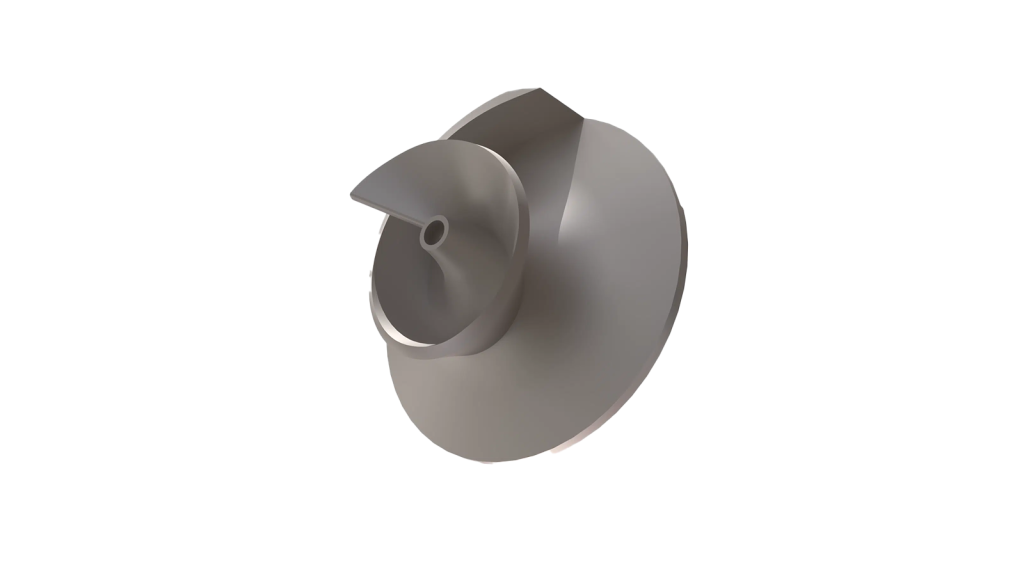










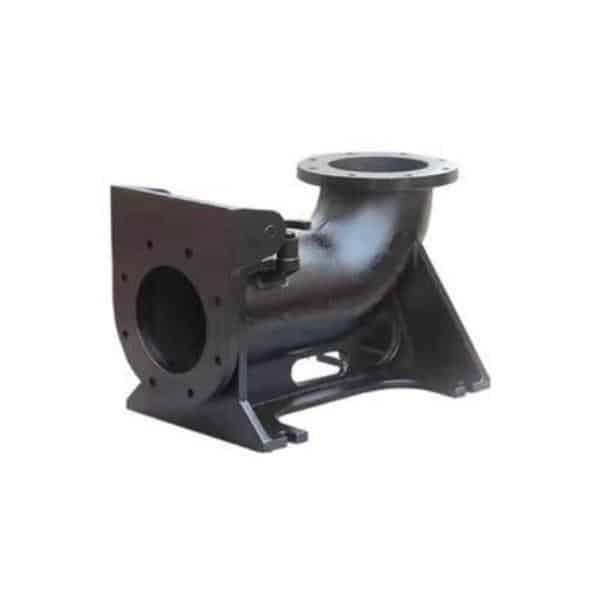
Koleburg Pump body
Discover the reliability of Koleburg Pump Body—engineered to power your centrifugal pumps with unmatched durability and precision for long-term industrial success.
- Crafted from premium 鋳鉄 and corrosion-resistant 316/316L 材質.
- Enhanced via professional 熱処理 ような 焼き入れ for superior hardness.
- Precision-machined with advanced ポンプ技術.
- Optimized for seamless integration with centrifugal pump assemblies.
- Rigorously tested for high-pressure and harsh Working conditions resilience.
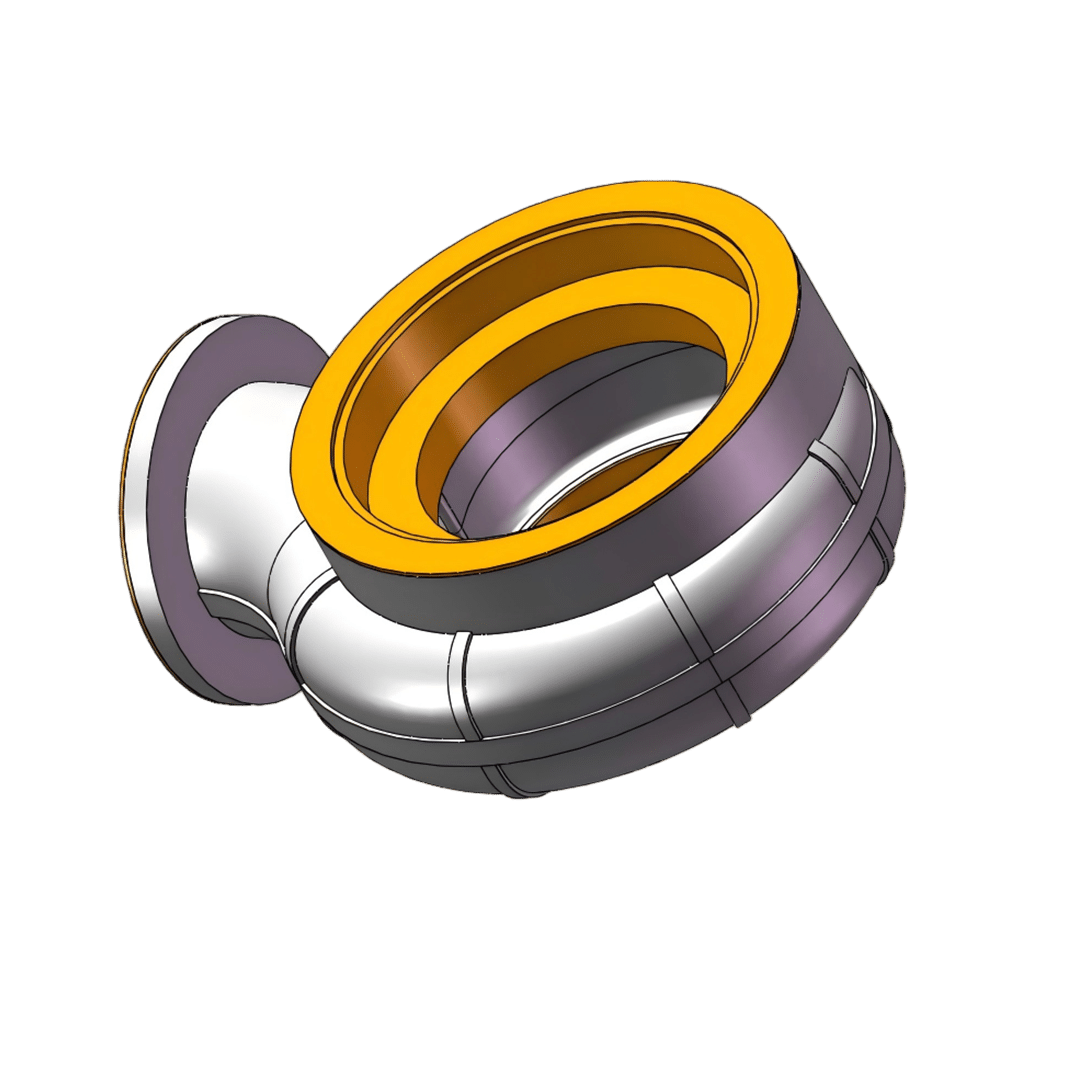
Koleburg Pump Body - Durable, Precision-Machined Centrifugal Pump Core Component
最も要求の厳しい産業環境で安定した性能を発揮するように設計されています。.
Koleburg Pump Body + Technical Advantages
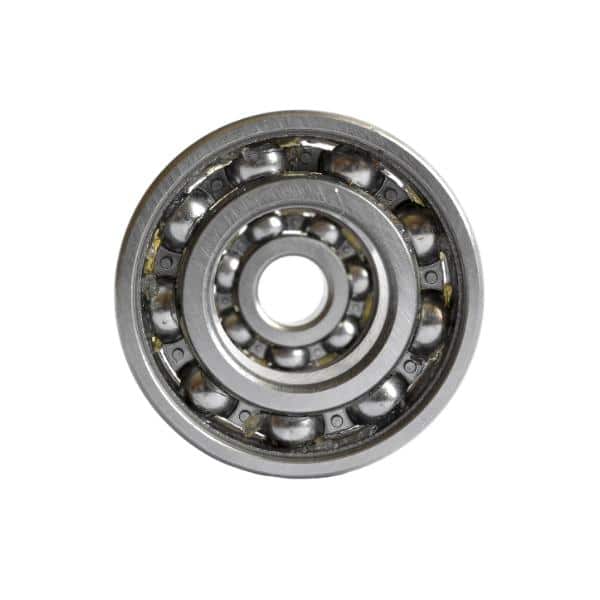
Our Koleburg Pump Body leverages cutting-edge ポンプ技術 and high-grade materials like デュプレックス 2205 to ensure optimal flow efficiency and structural integrity. Its precision engineering guarantees perfect compatibility with other ポンプ遠心部品 たとえば mechanical seal そして ベアリング, minimizing downtime and maximizing productivity.
Why Choose Our Koleburg Pump Body
Choosing Koleburg Pump Body means investing in a component backed by decades of manufacturing expertise. Our pump bodies meet global industrial standards, offering exceptional resistance to wear, corrosion, and extreme temperatures. Supported by responsive technical support and timely delivery, we ensure your centrifugal pumps operate at peak performance—whether for 下水処理場 または 化学工場 use.
Other Applications of Koleburg Pump Body
Koleburg Pump Body excels in diverse sectors beyond standard industrial use. It is a trusted component in 環境保護産業 for sludge treatment and sewage recycling, エネルギー・パワー facilities like 石炭火力発電所, そして Industrial Production including food processing and beverage industry. Its versatility makes it ideal for special projects such as トンネル工学 そして 鉱業.

カスタマイズ機能
- Material Customization: Choose from チタン合金, 304/304l 材料, あるいは ZG/20Cr13 to match specific media and operating conditions.
- Dimensional Tailoring: Precision-adjusted to fit your centrifugal pump models, including custom bore sizes and flange configurations.
- Performance Optimization: Custom heat treatment processes like ソリューション・アニーリング for enhanced fatigue and corrosion resistance.
- Application-Specific Design: Engineered for unique scenarios such as high-temperature 焼却炉 use or abrasive スラッジ濃縮システム オペレーションを行う。.

設置およびメンテナンスに関する推奨事項
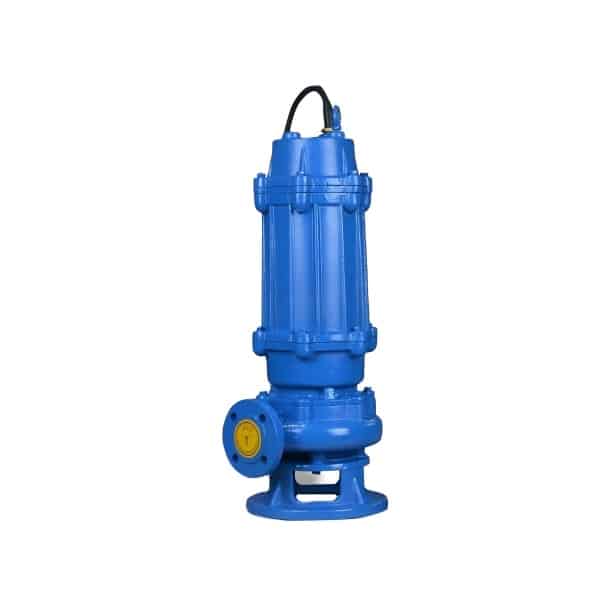
Koleburg Pump body FAQS
What Is a Sewage Treatment Pump?

Core Characteristics of Sewage Treatment Pump Bodies

| Characteristic | 仕様 | Industry Rationale |
|---|---|---|
| Solid Handling Capacity | Up to 50mm particle diameter | Prevents clogging in sludge-laden wastewater |
| 耐食性 | pH 2–12 tolerance | Withstands acidic/alkaline conditions in treatment processes |
| Operating Pressure | 0.6–2.5 MPa | Meets hydraulic demands of wastewater transfer |
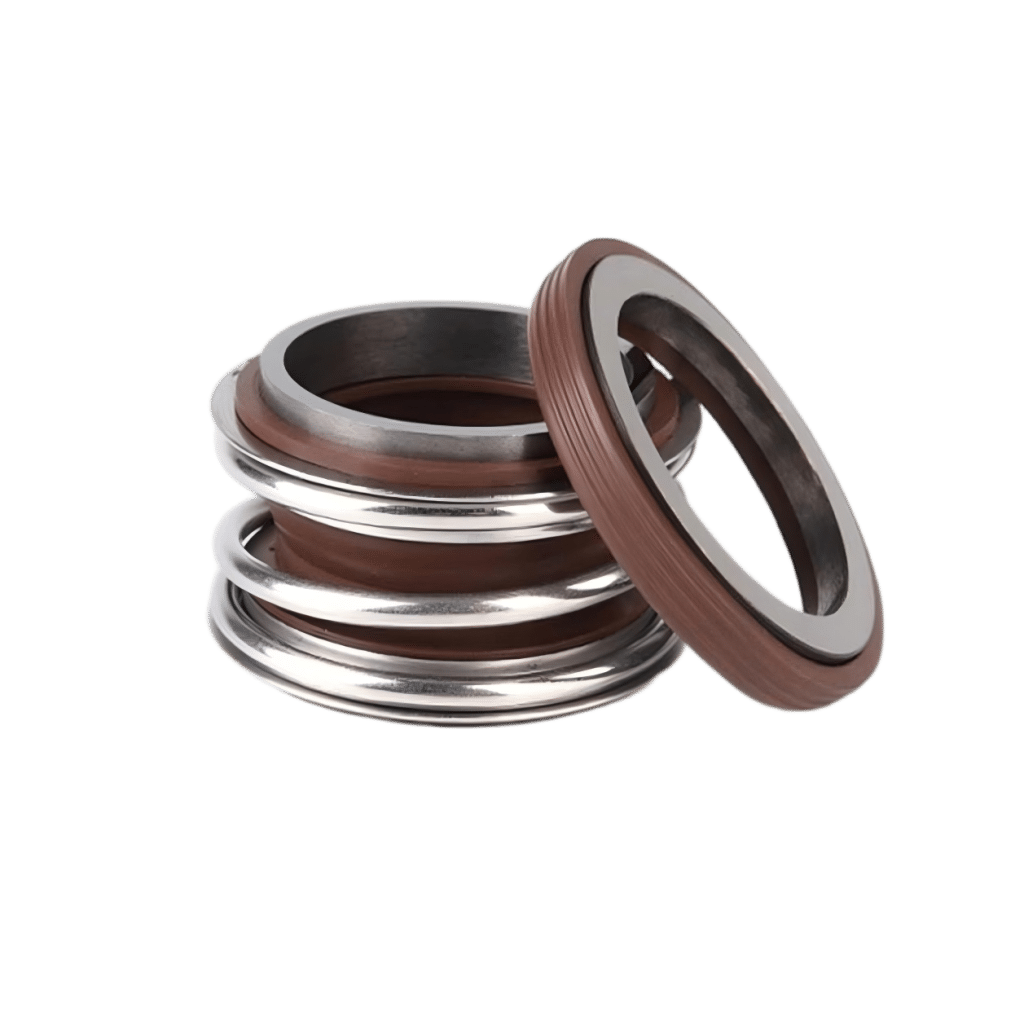
| Leakage Prevention | Integrates メカニカルシール systems | Avoids environmental contamination from wastewater spills |
How Sewage Treatment Pumps Differ from Standard Industrial Pumps

| 特徴 | Sewage Treatment Pump Body | Standard Industrial Pump Body |
|---|---|---|
| Primary Material | 316/316L 材質, デュプレックス 2205 | 鋳鉄, carbon steel |
| Design Priority | Anti-clogging, corrosion resistance | Flow efficiency, pressure stability |
| 動作温度範囲 | -10°C to 120°C | -20°C to 80°C |
| メンテナンス間隔 | 6–12 months | 3–6 months (in harsh conditions) |
Key Materials for Pump Bodies: How Do They Impact Performance?

Premium Materials for Industrial Pump Bodies
| 素材 | Maximum Operating Temperature | 耐食性 | Top Applications |
|---|---|---|---|
| 鋳鉄 | 200°C | Moderate (freshwater, oil) | General industrial pumps, agriculture |
| 304/304L 材質 | 870°C | High (mild chemicals, potable water) | 食品加工、飲料産業 |
| 316/316L 材質 | 925°C | Excellent (acids, salts, sludge) | Sewage treatment, 化学工場 |
| デュプレックス 2205 | 315°C | Superior (chlorides, abrasive media) | Offshore wastewater, 鉱業 |
| チタン合金 | 550°C | Exceptional (strong acids, seawater) | Nuclear power plants, high-purity applications |
Material Performance in Real-World Conditions
| 素材 | Average Service Life (Sewage Applications) | Annual Maintenance Cost (USD/Unit) |
|---|---|---|
| 鋳鉄 | 2.5 years | $1,800 |
| 304ステンレス鋼 | 4 years | $1,200 |
| 316Lステンレス鋼 | 7 years | $650 |
| デュプレックス 2205 | 9 years | $400 |
Manufacturing Processes: How Precision Shapes Pump Body Quality

Core Manufacturing Steps for Pump Bodies
- Casting: Investment casting (lost wax) is used for complex geometries, achieving dimensional tolerance of ±0.05mm—critical for seamless integration with ポンプ遠心部品 like bearings and impellers. Sand casting is utilized for simpler designs, balancing cost and performance.
- 熱処理: Processes like 熱処理, 焼き入れ, そして ソリューション・アニーリング enhance material properties: quenching increases hardness by 30–40%, while solution annealing improves corrosion resistance in stainless steels.
- Machining: CNC milling and turning create smooth internal surfaces (Ra ≤0.8μm), reducing fluid friction and energy consumption by 8–12%.
- Quality Control: Hydrostatic testing at 1.5× maximum operating pressure and non-destructive testing (NDT) (e.g., ultrasonic inspection) ensure leak-proof performance and structural integrity.
Quality Control Standards for Pump Bodies
| Quality Check | Method | Acceptance Criterion |
|---|---|---|
| Dimensional Accuracy | Coordinate Measuring Machine (CMM) | ±0.1mm for critical surfaces |
| Pressure Integrity | Hydrostatic Testing | No leakage at 1.5× rated pressure |
| Material Purity | Spectrometric Analysis | Compliance with ASTM A480 (stainless steels) |
| Surface Finish | Profilometer | Ra ≤0.8μm (internal surfaces) |
Performance Metrics: What Drives Pump Body Efficiency?

Key Performance Parameters for Pump Bodies
| パラメータ | 定義 | Industry Benchmark (Sewage Pumps) |
|---|---|---|
| 流量 | 1時間当たりの送液量 | 5–500 m³/h (standard models) |
| ヘッド | Pressure generated to lift fluid | 10–150 meters |
| 効率性 | Ratio of hydraulic output to motor input | ≥75% (API 610 compliant) |
Factors Influencing Pump Body Efficiency
- Hydraulic Design: Optimized volute geometry reduces flow separation, boosting efficiency by 10–15%. A well-designed volute converts kinetic energy to pressure with minimal losses.
- Material Smoothness: Polished internal surfaces (Ra ≤0.5μm) minimize friction, reducing energy consumption and wear.
- Dimensional Precision: Tight tolerances between the pump body and impeller (≤0.1mm) prevent internal leakage, a leading cause of efficiency loss.
Design Requirements for Sewage Treatment Pump Bodies
Anti-Clogging Design Features
- Wide-flow channels (minimum 50mm diameter) to accommodate solid particles and fibrous materials (e.g., hair, organic debris).
- Rounded internal edges to prevent debris accumulation and reduce flow resistance.
- Removable inspection covers for easy cleaning, minimizing downtime during maintenance.
Corrosion Resistance Enhancements
- Minimum corrosion allowance of 3mm (per API 610 Clause 6.3.7) to extend service life in acidic/alkaline wastewater.
- Optional epoxy or polyurethane coatings for additional protection in extreme environments (e.g., industrial wastewater with high chloride content).
- Welded joints with NDT verification to prevent crevice corrosion, a common failure point in uncoated pump bodies.
Structural Integrity for Continuous Operation
- Rigid construction to withstand vibration (maximum allowable deflection ≤50μm at the shaft seal).
- Reinforced flanges to handle pipeline loads (up to 2× allowable nozzle load per API 610).
- Temperature compensation features (e.g., expansion joints) to prevent thermal expansion-induced damage in high-temperature applications (e.g., wastewater from incinerators).
International Standards: Why Compliance Matters for Pump Bodies

Key Standards for Pump Body Manufacturing
| スタンダード | スコープ | Core Requirements |
|---|---|---|
| API 610 (11th Edition) | Centrifugal pumps for petroleum, chemical, and industrial use | 20-year design life, 3mm minimum corrosion allowance |
| EN ISO 12100 | Mechanical safety of industrial pumps | Risk assessment for moving parts, pressure vessel integrity |
| GB/T 24674-2009 | Submersible sewage pumps (China) | Solid handling capacity, leakage prevention |
| EN ISO 9906 | Pump efficiency classification | Minimum efficiency levels for different pump sizes |
Benefits of Standard Compliance
- Market Access: Compliance with API and ISO standards enables global sales, as these are recognized benchmarks for quality.
- Reduced Liability: Compliant pump bodies minimize the risk of equipment failure and environmental damage, protecting both manufacturers and end-users.
- Customer Trust: Compliance signals a commitment to quality, a key differentiator in competitive industrial markets.
Customization Solutions for Industrial Pump Bodies
素材のカスタマイズ
- Options include チタン合金 for high-corrosion environments (e.g., nuclear power plants), ZG/20Cr13 for high-temperature applications (e.g., incinerators), and duplex stainless steels for abrasive media (e.g., mining slurry).
- Material selection is guided by a detailed analysis of the pumped fluid’s chemical composition, temperature, and abrasiveness.
Dimensional Tailoring
- Custom bore sizes (DN25–DN600) to match existing pipeline systems.
- Flange configurations (ANSI, DIN, GB) for seamless integration with existing infrastructure.
- Modified volute geometry to optimize performance for specific flow/head requirements (e.g., low-flow, high-head applications in water treatment).
Performance Optimization
- Custom 熱処理 processes (e.g., tempering for increased toughness) to enhance material properties for unique operating conditions.
- Efficiency tuning to match the pump’s operating point with the system’s demand curve, reducing energy consumption.
- Noise reduction features (e.g., sound-dampening coatings) for applications in residential or noise-sensitive areas (e.g., municipal wastewater plants near neighborhoods).
Application-Specific Designs
Maintenance Best Practices for Pump Bodies

Routine Inspection & Cleaning
- Daily visual checks for leaks, corrosion, and debris accumulation (e.g., at flange connections and inspection covers).
- Weekly cleaning of intake screens and external surfaces to prevent clogging and overheating.
- Monthly inspection of fasteners (e.g., bolts, nuts) for tightness, using torque wrenches to meet manufacturer specifications (typically 45–60 N·m for flange bolts).
Periodic Maintenance Tasks
| メンテナンスタスク | 頻度 | Objective |
|---|---|---|
| Internal cleaning of pump body | Every 3–6 months | Remove sludge and scale buildup |
| Corrosion assessment | 12ヶ月ごと | Identify early signs of material degradation |
| Hydrostatic testing | Every 24 months | Verify pressure integrity |
| Seal replacement | Every 18 months | Prevent leakage from worn メカニカルシール systems |
Troubleshooting Common Pump Body Issues
- Leakage at Flanges: Replace gaskets (preferably EPDM or PTFE for chemical resistance) and retorque bolts to recommended values.
- Corrosion Spots: Grind affected areas to remove rust, apply anti-corrosion paint, and increase inspection frequency.
- Vibration Exceeding Limits: Check for misalignment between the pump body and motor (use laser alignment tools) and replace worn bearings.
Case Study: High-Performance Pump Bodies in Sewage Treatment
Project Overview
Solution Details
- Pump body material: 316/316L 材質 with 4mm corrosion allowance.
- Design features: Wide-flow channels (60mm diameter), rounded internal edges, and removable inspection covers.
- Compliance: API 610 and EN ISO 12100 standards.
- Integration: Seamless compatibility with existing ポンプ遠心部品 (bearings, motors, mechanical seals).
パフォーマンス結果
| メートル | アップグレード前 | アップグレード後 | 改善 |
|---|---|---|---|
| 年間ポンプ故障件数 | 6-8 | 0-1 | 87.5%リダクション |
| 平均耐用年数 | 3年 | 7年以上 | 133%増加 |
| 月額維持費 | $1,800 | $650 | 64%リダクション |
| エネルギー消費 | 180kWh/日 | 126kWh/日 | 30% 節約 |
| Solid Handling Capacity | 30mmまで | 50mmまで | 67%増加 |