

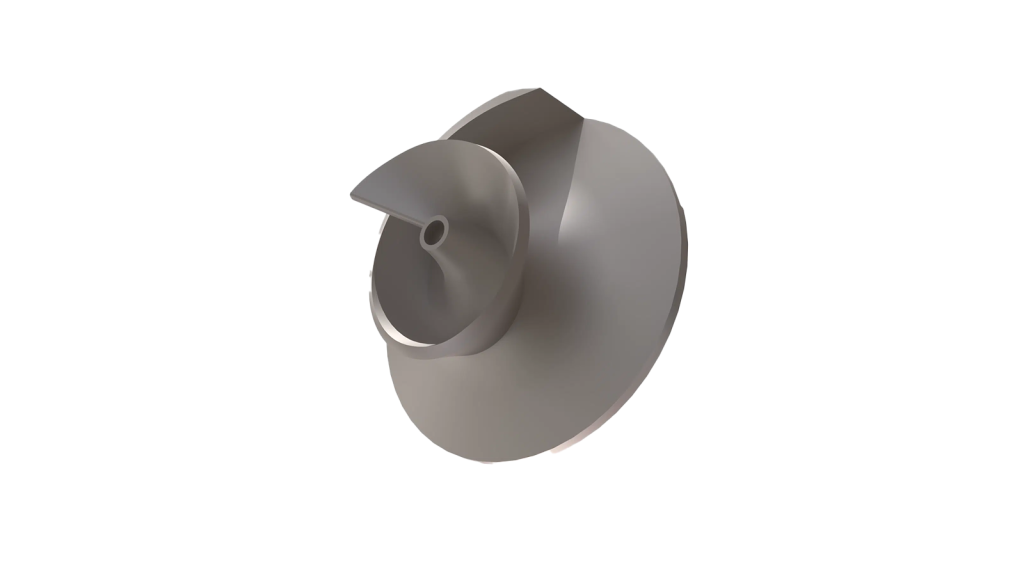










High-Temperature Liquid Pump Solutions
- Chemical High-Temp Medium Transfer
- Power Plant Boiler Feed Water
- Petrochemical Refinery Hot Oil Pumping
- Food Industry High-Temp Sterilizing Fluid Handling
Solutions for pumping high-temperature liquids with heat-resistant seals and materials, thermal management and safe installation practices.
What Does the High-Temperature Liquid Industry Involve?
The high-temperature liquid sector focuses on the safe, continuous transfer of fluids with operating temperatures above 100℃ (up to 400℃) across chemical, power, petrochemical, and food industries. It covers processing and conveying of materials like hot oil, boiler feed water, molten resins, and sterilized food fluids, requiring strict control over thermal stability, pressure resistance, and leakage prevention. Koleburg’s solutions align with the core needs of high temperature centrifugal pumps.
なぜこのシナリオではポンプに高い要求が課されるのか?
High-temperature liquids pose extreme challenges to pump performance: thermal expansion causes component deformation and precision loss; high temperature accelerates material aging and corrosion; and thermal cycling (heating/cooling) leads to fatigue damage. Additionally, high-pressure conditions and leakage risks of hot media threaten safety, necessitating pumps with specialized heat-resistant materials and sealing, such as Koleburg’sheat resistant pump solutions.
The Role of Pumps in High-Temperature Liquid Systems
Pumps act as the “thermal system power core” in high-temperature scenarios, responsible for overcoming thermal resistance to transfer hot fluids between boilers, reactors, heat exchangers, and storage units. They must maintain stable flow rate and pressure under high-temperature conditions to ensure process continuity—critical for industries like power generation (boiler operation) and petrochemical refining (hot oil processing). A reliable high-temp pump directly avoids production shutdowns and safety hazards.
アプリケーションの課題
In The oil pump, industrial equipment scenarios
- Material Thermal Aging: Prolonged high temperature degrades material performance, leading to component cracking, deformation, and shortened service life.
- Seal Failure Under Heat: High temperature damages seal materials, causing leakage of hot media and triggering safety accidents.
- 熱衝撃によるダメージ: Sudden temperature changes (thermal cycling) cause component fatigue and structural damage.
- High-Temp Corrosion Synergy: Elevated temperature intensifies media corrosion, accelerating wear of pump internals.
- Thermal Efficiency Loss: Heat dissipation from pump bodies reduces system thermal efficiency and increases energy consumption.
コレバーグ・ソリューションズ
The oil pump, industrial equipment Challenges
- Premium Heat-Resistant Materials:採用 Inconel alloy and heat-resistant stainless steel to resist thermal aging and corrosion at high temperatures.
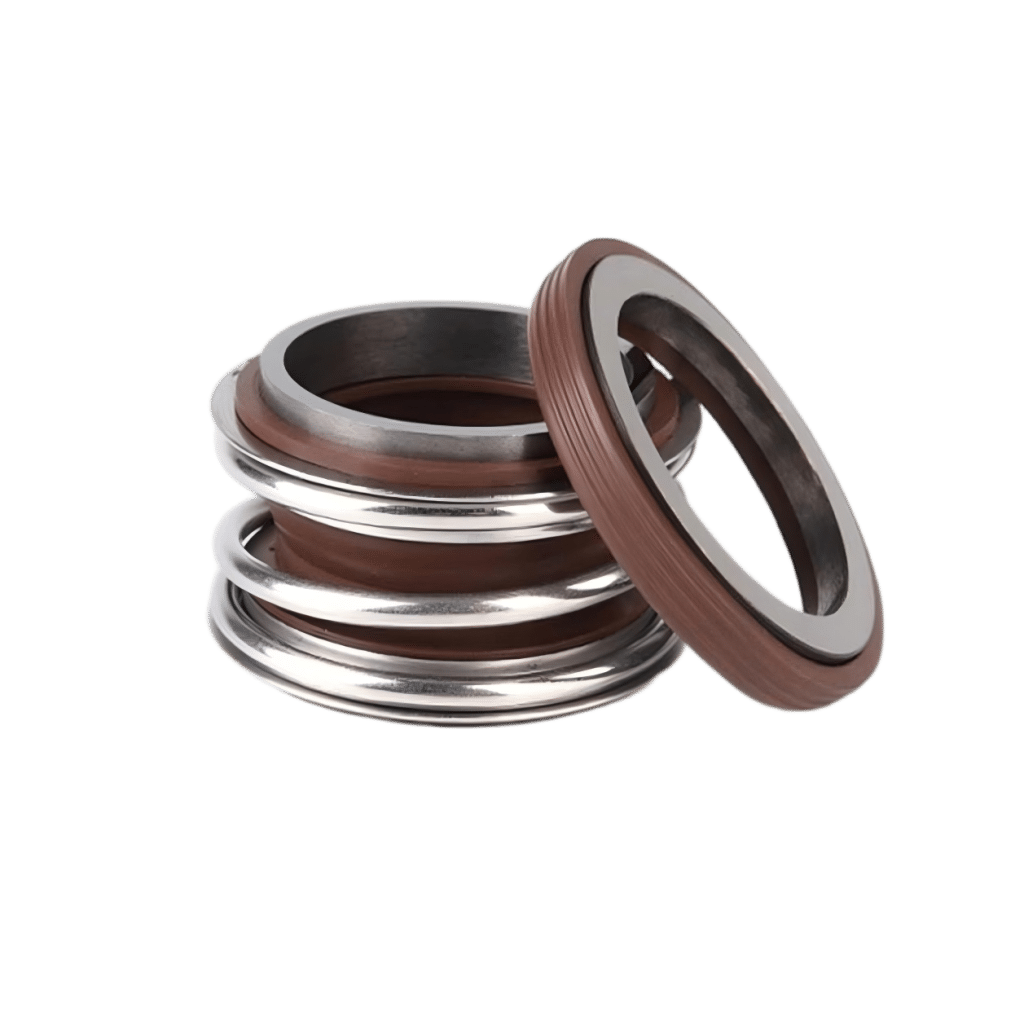
- High-Temp Sealing System: Equip metal bellows mechanical seals with graphite faces, designed to withstand temperatures up to 400℃ and prevent leakage.
- Anti-Thermal Shock Design: Optimize component structure and heat treatment processes to enhance thermal fatigue resistance.
- Thermal Insulation Optimization: Integrate pump insulation jackets to reduce heat dissipation and improve system thermal efficiency.
- Thermal Expansion Compensation: Design flexible joints and clearance adjustments to accommodate component thermal expansion.
コレブルグがお勧めする焼却炉用ポンプ
製品が見つかりません
コールバーグ
ポンプ材料の選択
Materials are selected based on operating temperature, media type, and pressure, balancing heat resistance, corrosion resistance, and mechanical strength.
素材 | Applicable Temp Range | コンポーネント・アプリケーション |
|---|---|---|
インコネル625 | Up to 400℃ | High-temp media impellers, shafts |
Up to 300℃ | ポンプケーシング、流路 |
コールバーグ
熱処理工程
Precision heat treatment enhances component thermal stability and fatigue resistance, ensuring reliable operation under high-temperature and thermal cycling conditions.
熱処理タイプ | コア・アドバンテージ | 応用部品 |
|---|---|---|
Improve thermal stability | Alloy casings, impellers | |
焼き戻し | Reduce thermal fatigue | Pump shafts, wear rings |
ポンプ遠心部品
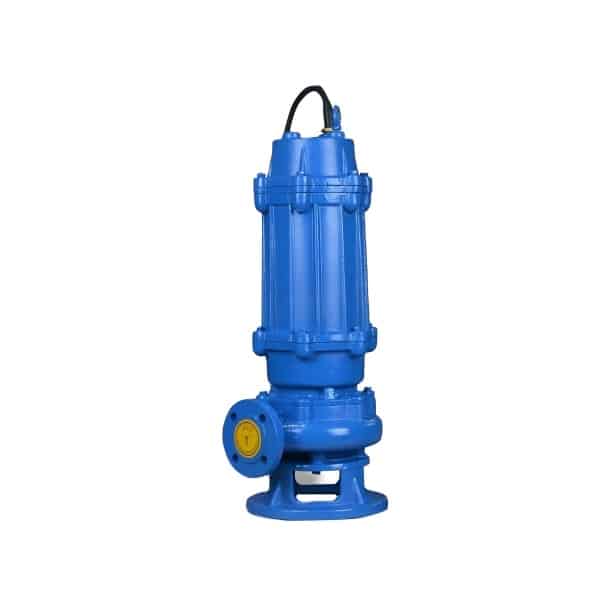
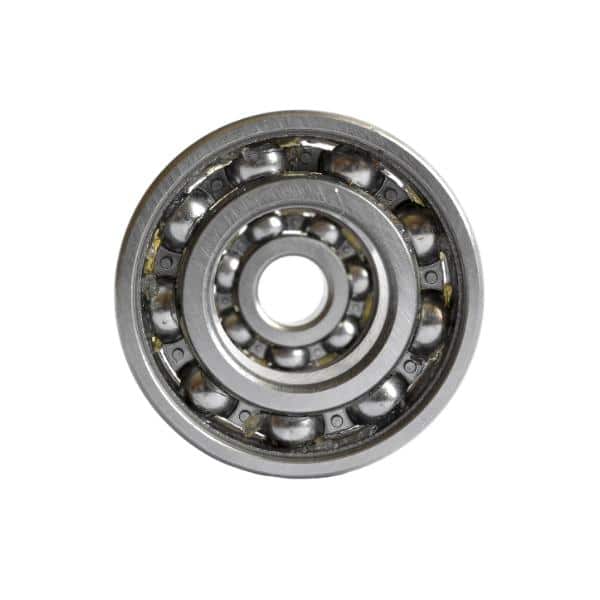
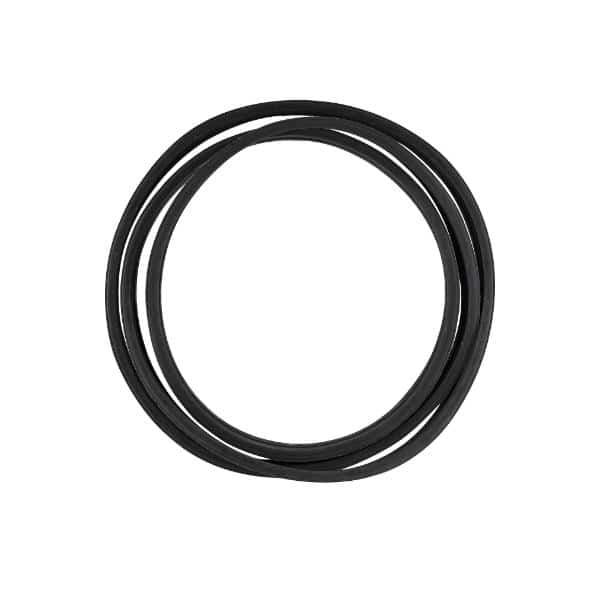
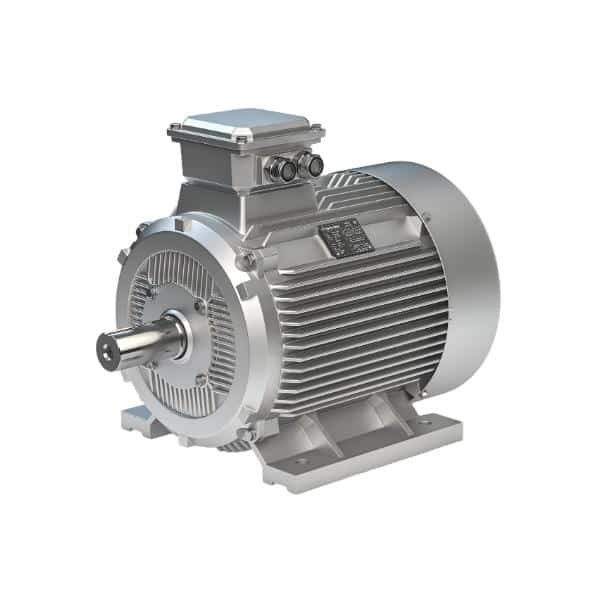
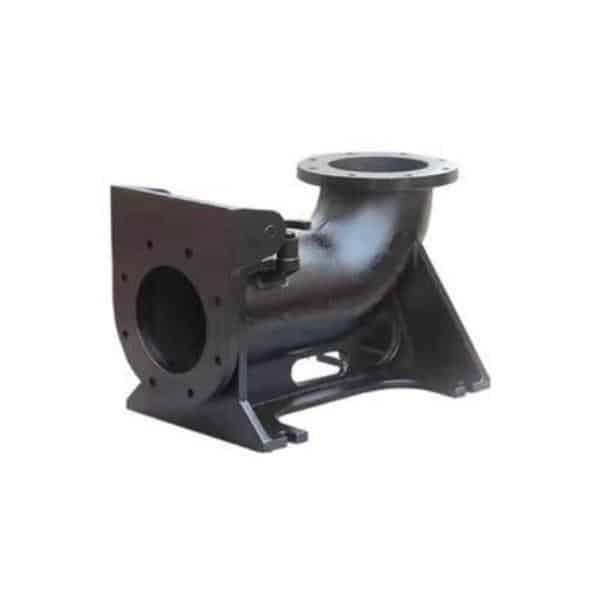
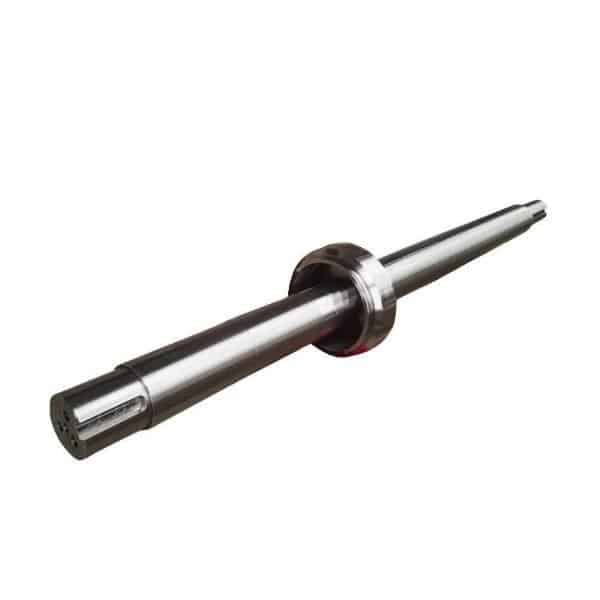
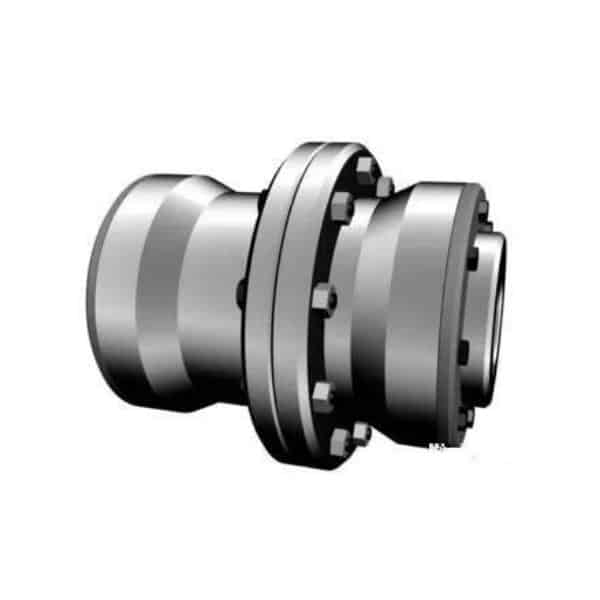
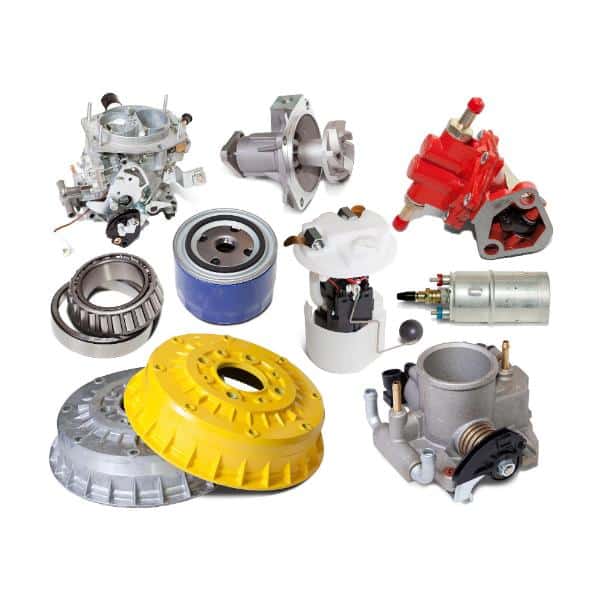
Accessory integration means all components are engineered to match high-temperature operating demands as a unified system. For example, heat-resistant bearings sync with pump torque under high temp; insulation jackets coordinate with temperature sensors to maintain thermal stability; thermal expansion joints compensate for component expansion. This integration ensures seamless operation, reduces failure risks, and extends the overall system lifespan.

KOLEBURGソリューションのアプリケーションの利点
- Superior Heat Resistance: Premium materials and heat treatment enable stable operation at temperatures up to 400℃, exceeding industry standards.
- Leakage-Free Assurance: High-temp sealing systems eliminate hot media leakage, complying with global safety regulations.
- 長寿命化: Anti-thermal fatigue design extends pump lifespan by 60% vs. standard pumps in high-temp scenarios.
- Enhanced Thermal Efficiency: Insulation accessories reduce heat loss by up to 25%, lowering energy consumption.
- Broad Adaptability: Customizable designs fit diverse high-temp media (hot oil, steam, molten resins) across industries.
よくあるご質問
渦巻きポンプはこの用途に適していますか?
Yes, centrifugal pumps are suitable for high-temperature liquids when optimized for heat resistance. Koleburg’s designs with heat-resistant materials, anti-thermal expansion structures, and high-temp seals efficiently handle fluids up to 400℃, ideal for power, chemical, and petrochemical scenarios.
このような使用条件に対応するポンプ材料はどのように選べばよいのでしょうか?
Material selection depends on operating temperature and media: Inconel 625 for fluids above 300℃; 310S stainless steel for 200-300℃; and 304L for mild high-temp (below 200℃) non-corrosive media. Consider media corrosion and pressure to balance performance and cost.
このアプリケーション用にポンプをカスタマイズできますか?
もちろんコレブルグが提供するのは custom high-temperature pump solutions, including material customization, seal design adjustment, insulation integration, and thermal expansion compensation to fit specific temp, pressure, and media requirements.
ポンプの選定に必要な情報は?
Key information includes: operating temperature/pressure, fluid type (corrosive/non-corrosive), flow rate (m³/h), head (m), thermal cycling frequency, and industry safety standards. This ensures the pump is tailored to your high-temperature application needs.