














What is a Food Processing Pump?

A food processing pump is a specialized fluid-handling device designed for the food and beverage industry, engineered to transport various food-grade media (e.g., slurries, edible oils, dairy products, syrups) and process wastewater while complying with strict hygiene and safety standards. Unlike conventional industrial pumps, food processing pumps feature structural optimizations such as smooth inner cavities without dead corners, easy disassembly for cleaning, and food-grade material construction to prevent cross-contamination and ensure product safety.
Core characteristics of food processing pumps include:
- Compliance with international hygiene standards (FDA 21 CFR Part 177, EU 10/2011, 3-A Sanitary Standards)
- Corrosion resistance to adapt to acidic, alkaline, and high-sugar food media (pH range: 3.0-9.0)
- Anti-clogging performance for media with solid particles (0.1-8mm particle size)
- Low shear force to preserve the quality of heat-sensitive and particle-containing food materials
- Stable operation under variable temperature conditions (0-150℃) for refrigeration, normal processing, and sterilization links
According to industry statistics, the global food processing pump market is projected to reach $8.2 billion by 2028, with a CAGR of 5.3%, driven by stringent food safety regulations and the expansion of the food and beverage industry (source: Grand View Research).
How to Match Pump Performance with Food Processing Requirements?
Scientific pump selection relies on accurate identification of operating conditions. The following key parameters directly determine pump performance matching and hygiene compliance:
1. Key Selection Parameters for Food Processing Pumps
Parameter Category | Typical Range in Food Processing | Auswirkungen auf die Pumpenauswahl |
Medium Typ | Fruit/vegetable puree, dairy products, edible oil, sugar syrup, processing sludge | Determines hygiene level and material corrosion resistance requirements |
Solider Inhalt | 0-30% (0-5% for oils/syrups, 20-30% for fruit pulp) | High solid content requires large flow channels and anti-clogging designs |
Temperatur | 0-10℃ (refrigerated), 20-60℃ (normal), 80-150℃ (sterilization) | High-temperature scenarios need heat-resistant seals and materials |
pH-Wert | 3.0-5.0 (acidic), 6.5-8.5 (neutral), 4.5-9.0 (wastewater) | Acidic media require 316L stainless steel; neutral media use 304 stainless steel |
Betriebsart | 24/7 continuous (large-scale), intermittent (small-batch) | Continuous operation needs high fatigue resistance and long service life |
2. Core Performance Matching Criteria
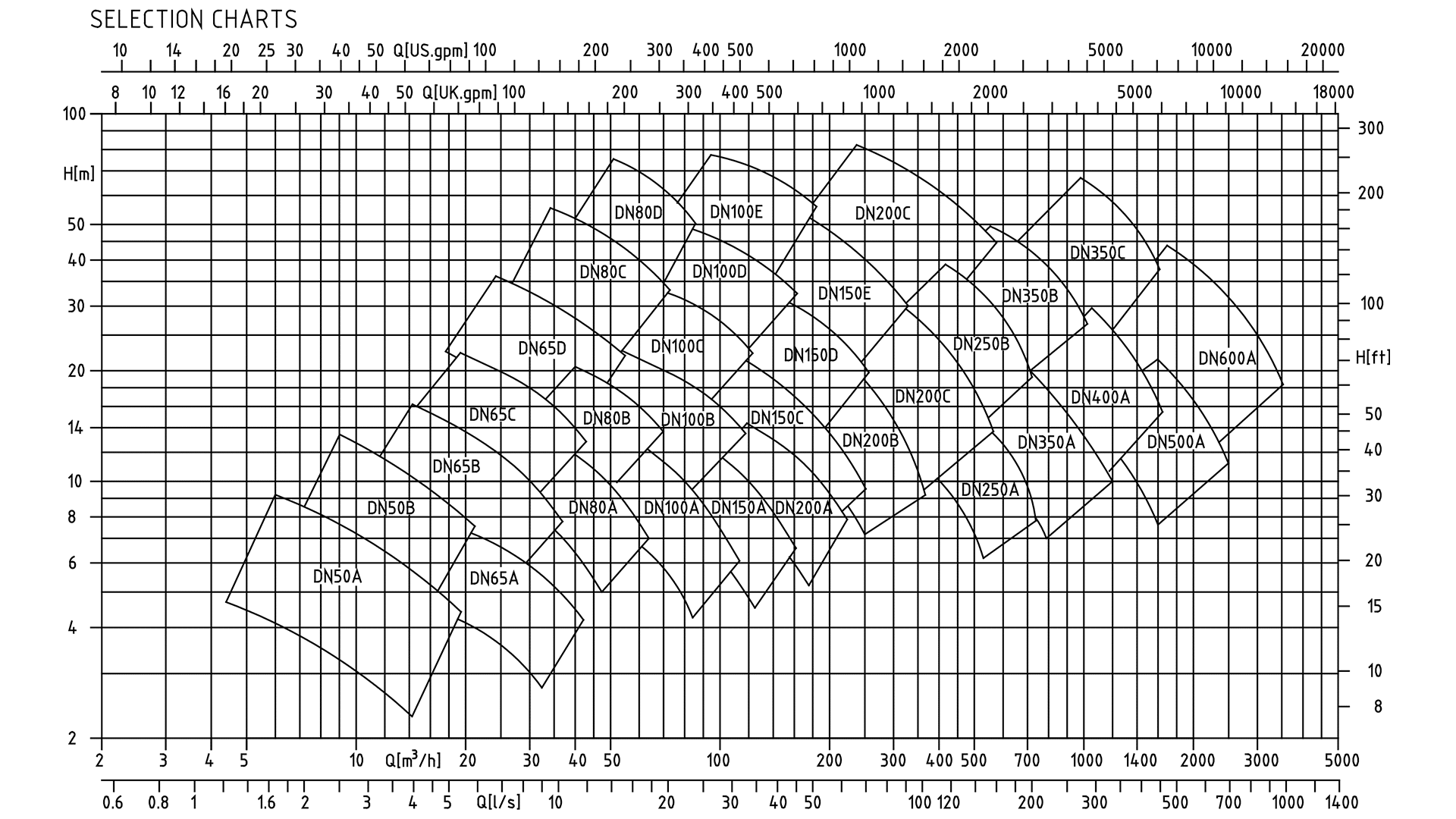
- Durchflussmenge: Determined by production capacity. A 5000t/d juice plant requires 150-200m³/h slurry pumps; a 100t/d dairy plant needs 30-50m³/h milk transport pumps.
- Kopf: Calculated by pipeline resistance and lifting height, with a 15-20% margin for viscosity changes.
- Hygiene Compliance: Food-contact pumps must have dead-corner-free inner cavities, quick-dismantle designs, and comply with 3-A and FDA standards.
Common Types of Food Processing Pumps

Different pump types have unique advantages for specific food processing scenarios. The following are industry-leading types with high application rates:
Pumpen-Typ | Wesentliche Vorteile | Typische Anwendungen |
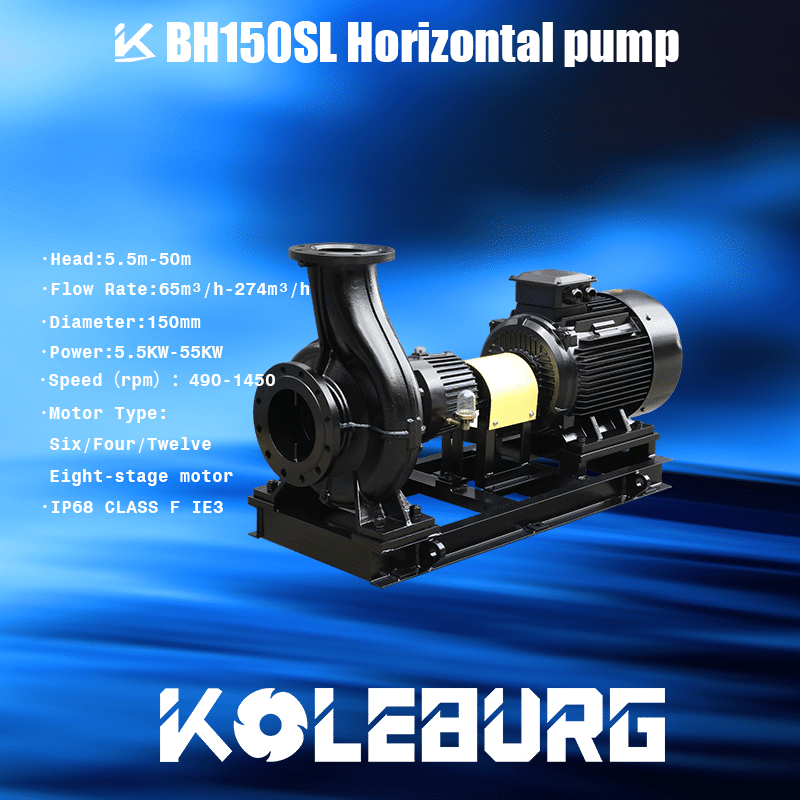
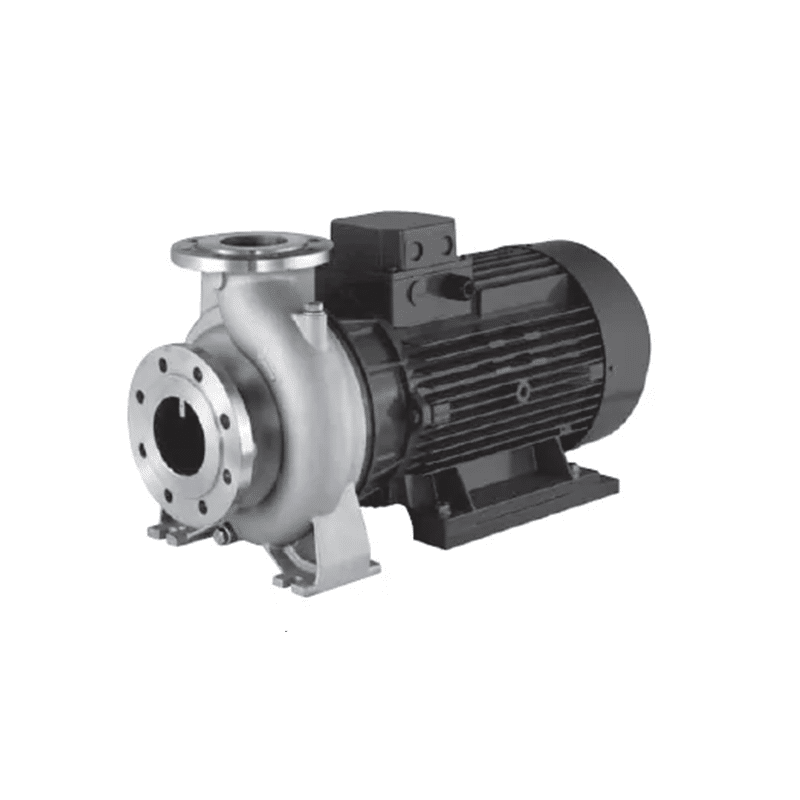
3-A/FDA compliant, low shear force, easy cleaning, high efficiency (70-78%) | Milk, yogurt, fruit juice, carbonated drinks | |
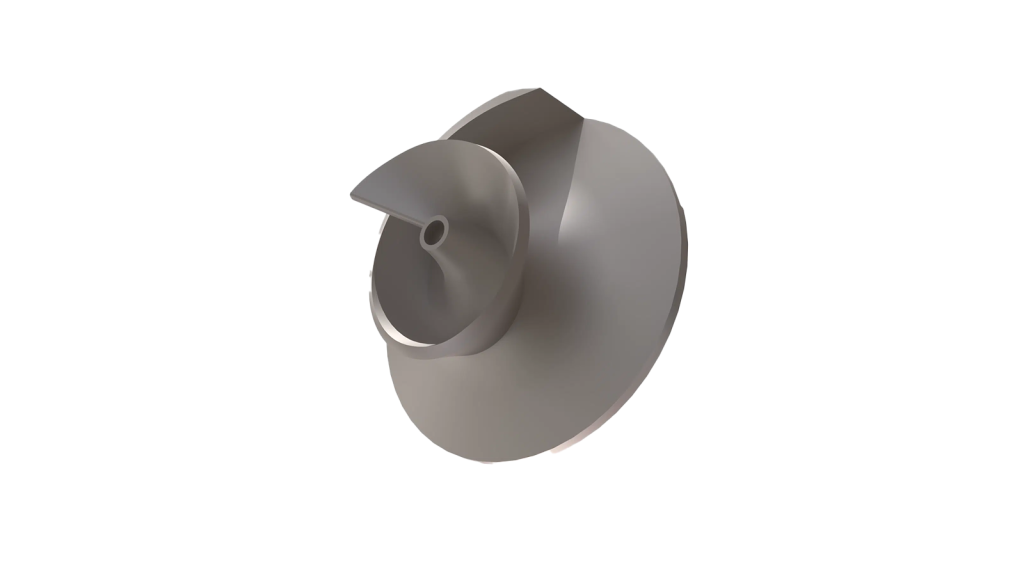
Superior anti-clogging, gentle transport, handles 30% solid content | Fruit/vegetable puree, high-fiber food slurry | |
High efficiency (75-82%), stable flow, FDA-compliant materials | Edible oil, sugar syrup, clean water flushing | |
Compact structure, small footprint, stable head performance | Frying oil circulation, CIP cleaning solution transport | |
Submersible operation, wear-resistant, handles high-solid sludge | Food wastewater sludge, fruit/vegetable cleaning residue | |
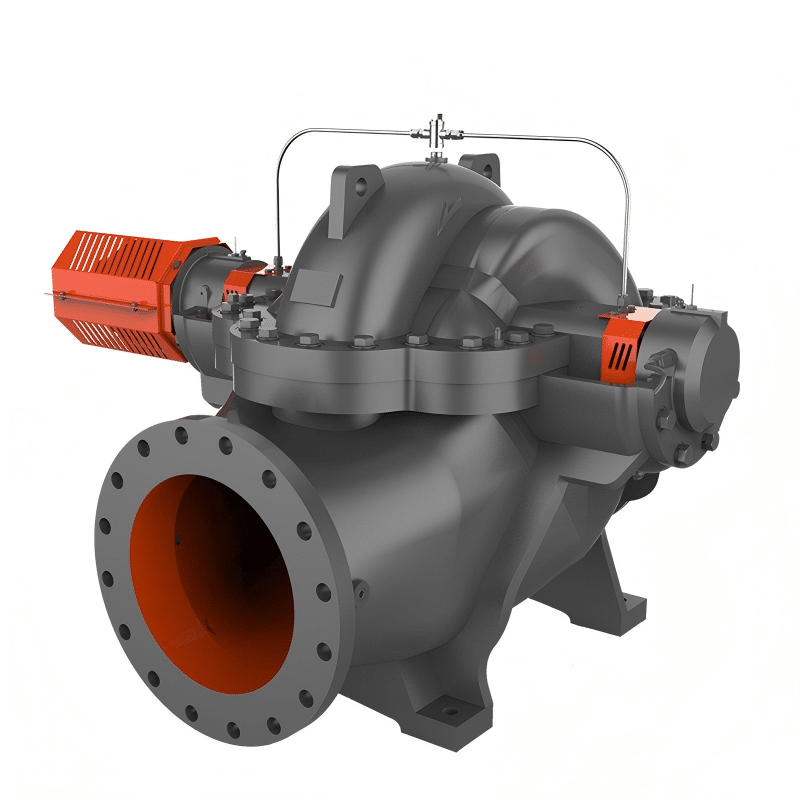
Large flow (up to 800m³/h), low vibration, balanced axial force | Large-scale plant water supply, wastewater circulation |
Leistungsvergleich der gängigen Pumpen
Leistungsindikator | Sanitär-Zentrifugalpumpe | Double Spiral Pump |
Efficiency Range | 70-78% | 68-76% |
Max Solid Content | ≤10% | ≤30% |
Max Temperature | 130℃ | 140℃ |
Jährliche Wartungskosten (USD/Einheit) | 1200-2000 | 1500-2500 |
Hygiene-Compliant Material Selection for Food Processing Pumps

Material selection is critical for food safety and pump reliability, requiring compliance with FDA 21 CFR Part 177 and EU 10/2011. The following are recommended materials for key components:
Pumpe Bauteil | Empfohlene Materialien | Selection Basis |
304/316L stainless steel, food-grade cast iron | 316L for acidic media; 304 for neutral media; FDA-compliant | |
Rostfreier Stahl 316L, Duplex 2205 | Stainless steel for hygiene; Duplex 2205 for high wear resistance | |
Gleitringdichtung | Food-grade SiC-SiC, PTFE-coated | Non-toxic, high-temperature resistant, prevents leakage |
Sealing Gasket | NBR, FKM, EPDM | NBR for oil; FKM for acid/alkali; EPDM for high-temperature water |
Grundsätze der Materialauswahl

- Hygiene priority: All food-contact materials must be non-toxic, odorless, and comply with international standards.
- Corrosion matching: Select materials based on medium pH to avoid contamination.
- Easy cleaning: Smooth surfaces without pores to prevent residue accumulation.
- Cost-effectiveness: Balance performance and cost (e.g., 304 instead of 316L for neutral media).
Maintenance and Hygiene Management for Food Processing Pumps
Scientific maintenance ensures long-term reliable operation and hygiene compliance. Targeted strategies for food processing scenarios include:
1. Tägliche Inspektion und Überwachung
- Real-time monitoring of flow rate, head, current, and temperature.
- Check for medium leakage to avoid cross-contamination.
- Inspect pump surface cleanliness and hygiene component integrity.
2. Regelmäßiger Wartungsplan
Zyklus der Wartung | Zentrale Aufgaben | Qualitätsanforderungen |
Täglich | Flush with clean water; clean surface; check lubricant level | No residue; surface free of oil stains |
Wöchentlich | Clean inlet filter; inspect gaskets; check impeller rotation | No blockages; gaskets intact; smooth rotation |
Monatlich | Comprehensive disassembly and cleaning; inspect corrosion/wear | No scale; seals leak-free |
Vierteljährlich | Measure efficiency; calibrate meters; bacterial testing | Efficiency reduction ≤8%; bacterial count ≤10 CFU/mL |
Jährlich | Replace worn components; performance testing | Performance ≥90% of new pump; FDA/3-A compliant |
3. Common Fault Handling
- Verstopfung: Stop pump; disassemble and clean; optimize pre-treatment for high-solid media.
- Durchsickern: Replace worn seals (FDA-compliant); clean leakage area.
- Reduzierte Effizienz: Clean scaling; replace worn parts; avoid harmful cleaning substances.
- Bacterial Growth: Increase cleaning frequency; use food-grade disinfectants; test after cleaning.
Engineering Case Study: 5000t/d Fruit Juice Processing Plant

A North American 5000t/d juice plant adopts an integrated process (sorting-washing-pressing-sterilization-filling). The following is its pump selection and application effect:
Project Conditions
- Production Capacity: 5000t/d fresh fruit; 2500t/d concentrated juice.
- Media: Fruit pulp (20-25% solid, pH 3.5-4.5, 25-40℃); concentrated juice (65-70% solid, pH 3.0-4.0, 50-70℃); sludge (15-20% solid).
- Requirements: 24/7 operation; operational rate ≥98.5%; energy consumption ≤1.0 kWh/m³.
Pump Configuration
Prozess Link | Pumpen-Typ | Configuration |
Fruit Pulp Transport | Double Spiral Pump | 6 units, 180m³/h, 28m head, 316L stainless steel |
Konzentrierter Saftkreislauf | Sanitär-Zentrifugalpumpe | 4 units, 120m³/h, 22m head, 3-A/FDA compliant |
Sludge Transport | Schlamm-Tauchpumpe | 3 units, 80m³/h, 20m head, high-chromium alloy impeller |
Application Results
Indikator | Target | Actual Result (1 Year) |
Operational Rate | ≥98.5% | 99.3% |
Energieverbrauch | ≤1.0 kWh/m³ | 0.92 kWh/m³ |
Störungshäufigkeit | ≤1/quarter | 1/6 months |
Hygiene Compliance | 100% | 100% (no bacterial contamination) |